

There’s an assumption that follows most clinical sonographers who start thinking about elective ultrasound: that the technical skills they have built over years of diagnostic work are the hardest part of this transition, and that the business side will naturally follow. It’s an understandable assumption. It’s also the one that most often causes problems.
Sonographers who open elective studios tend to arrive well-prepared on the scan technique side and underprepared on the business side. The skills required to run a successful consumer-facing studio, pricing strategy, experience design, local marketing, client communication in a non-clinical context, and the mindset shift from performing a medical service to delivering a bonding experience are genuinely different from anything clinical training covers. Recognizing that gap clearly is what separates sonographers who build thriving studios from those who open well and stall six months later.
This guide addresses the most common myths sonographers bring into this transition, corrects the ones that cause real problems, and gives you a clear picture of what the path actually looks like.
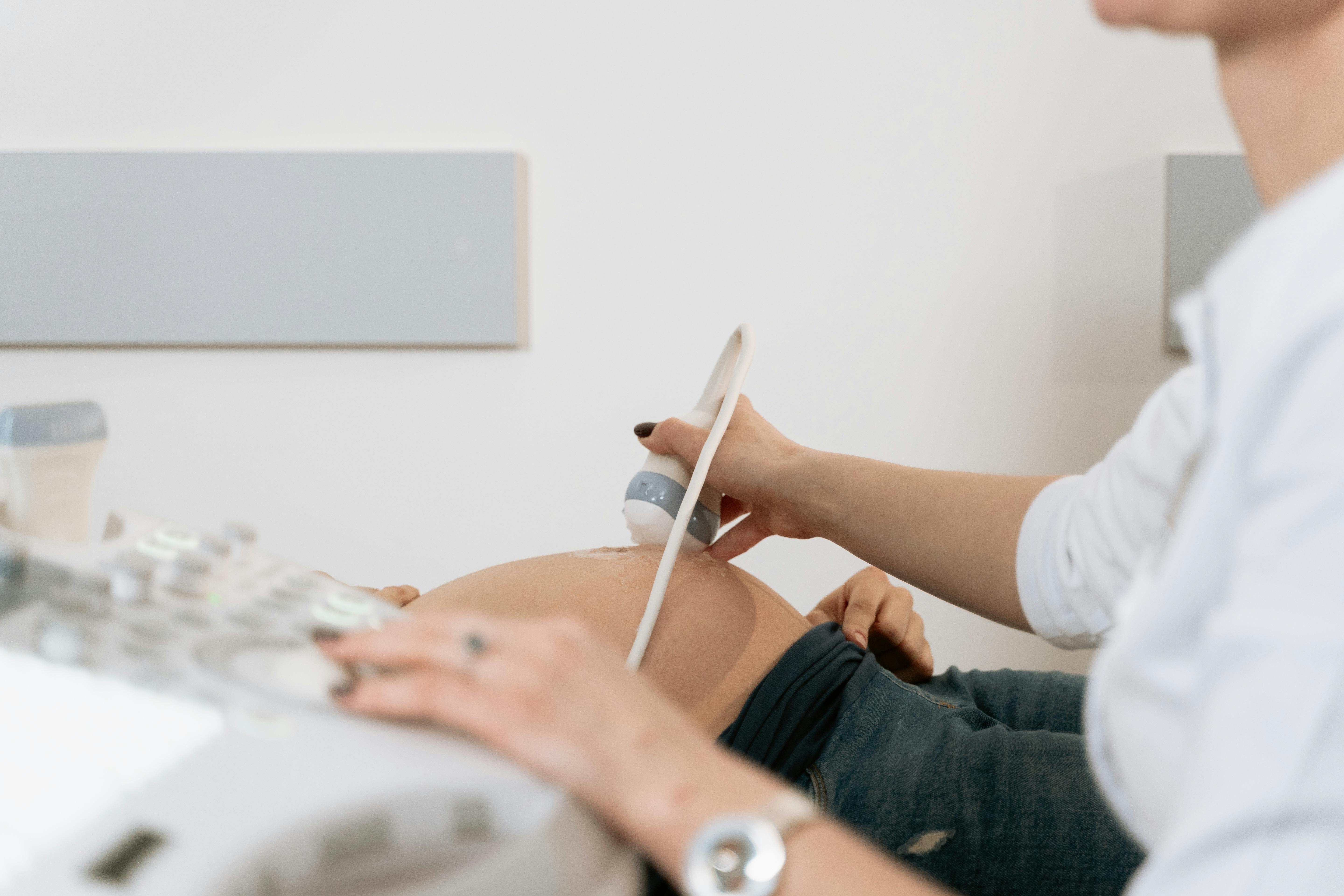
Myth: My Diagnostic Credentials Mean I Am Already Qualified to Run an Elective Studio
Reality:
Your diagnostic credentials confirm that you are a trained clinical professional. They do not confirm that you are ready to open and operate a consumer-facing elective ultrasound business. These are different things, and conflating them is one of the most common early mistakes sonographers make.
Running an elective studio involves setting up a business entity, managing finances, building a booking system, pricing packages competitively for your market, creating an experience that families want to come back to and tell their friends about, managing local search visibility, and handling everything that happens between a client booking their appointment and leaving your studio with a keepsake in their hand. Clinical credentials don’t address any of that. They address whether you can perform a scan, not whether you can run the business built around it.
Myth: Elective Ultrasound Is Just a Lower-Stakes Version of What I Already Do
Reality:
Elective ultrasound and diagnostic ultrasound share the same basic equipment and involve the same kind of transducer work, but the purpose, the context, and the skillset involved in delivering a genuinely good elective experience are distinct. In diagnostic settings, a great scan means clinically accurate, clearly documented information delivered to the referring provider. In elective settings, a great scan means a 3D or 4D image of a baby’s face that a family will frame, share, and talk about for years.
Optimizing images for keepsake quality is a different technical challenge than optimizing for clinical accuracy. The aesthetic priorities, the timing of captures, the way you guide a client through a session, and the way you manage the emotional weight of the experience for a family who has been waiting for this moment are all skills that clinical training doesn’t build. Sonographers who have been through elective-specific training frequently describe it as learning a genuinely new aspect of work they thought they already knew well.
Myth: I Don’t Need Business Training Because I Know the Clinical Side
Reality:
Business training is where the actual risk in this transition lives. Sonographers who skip it tend to open with excellent scan quality and poor business structure, pricing that undervalues the experience, no clear marketing strategy, and no plan for building the local visibility that drives bookings. Technical skill doesn’t fill the seats. Business preparation does.
Understanding what your packages should include and how to price them for your market is not obvious, especially for someone coming from a clinical salary mindset. Elective ultrasound studios that perform well are typically operating as boutique consumer experiences priced accordingly, not as clinical services priced at appointment rates. Making that shift intentionally, and understanding how to communicate premium value to clients who are comparing options, requires business preparation that goes well beyond knowing how to scan.
Myth: Starting an Elective Studio Is a Simple Side Business That Won’t Take Much Setup
Reality:
An elective ultrasound studio is a legitimate small business that requires the same careful setup as any other consumer service business. Business entity formation, insurance, banking, a booking system, a website with online scheduling, a professional Google presence, and a clearly structured package menu are all required before you take your first appointment. None of it is impossibly complicated, but none of it is optional either.
Sonographers who approach this as a casual side project and skip the foundational setup often find themselves managing client experience problems, payment complications, and operational chaos that proper setup would have prevented. The technical skill you have doesn’t protect you from business problems that come from not having the systems in place. Treating the business side with the same seriousness you brought to clinical training is the approach that produces studios worth building on.
Myth: My Clinical Experience Means I Don’t Need Elective-Specific Training
Reality:
Even highly experienced diagnostic sonographers benefit from hands-on elective-specific training before opening a studio. Not primarily because the scan fundamentals are foreign, but because the specific application, elective 3D and 4D imaging, early gender determination technique, image optimization for keepsake quality, and managing the emotional and pacing demands of a consumer session, is a distinct skill set that clinical work does not fully prepare you for.
Completing elective-specific training also gives you a structured framework for the business and session side of operations, not just the technical side. The most valuable part of training for experienced sonographers is often not the probe technique. It’s the business structure, the package design guidance, and the operational setup that gets built alongside the scan skills.
Myth vs. Reality Summary
| Common Myth | The Reality |
|---|---|
| Diagnostic credentials qualify you to run a studio | They qualify the scan skill, not the business operation |
| Elective is just easier diagnostic work | Different purpose, different image priorities, different client experience |
| Business training isn’t necessary with clinical background | Business structure is where most studios succeed or fail |
| It’s a simple side project that sets up quickly | Requires the same careful setup as any consumer service business |
| No elective-specific training needed with clinical experience | Elective technique and business setup both benefit from dedicated training |
What to Do Instead
Treat the business preparation with the same discipline you brought to clinical training. That means forming a proper business entity, setting up banking and bookkeeping, and working through the operational setup before you open. It means pricing your packages as a premium consumer experience, not a medical service. And it means getting hands-on elective-specific training that covers the business and session sides alongside the technical one, not just refreshing the scan skills you already have.
The sonographers who build successful elective studios do it by respecting the parts of this transition that their clinical background doesn’t cover. That’s not a criticism of their skills. It’s an acknowledgment that owning a consumer business is genuinely different from working as a clinical professional, and that difference deserves preparation. The advantage sonographers have is that the technical learning curve is short. The business preparation is where the real work happens, and it’s entirely within reach with the right guidance and support.
If you’re a sonographer thinking seriously about this transition, exploring elective ultrasound training options that include business setup support alongside scan technique is the most practical first step. It gives you the complete picture of what the launch requires, not just the scan side you already know.
People Also Ask
Do diagnostic sonographers need additional training to open an elective ultrasound studio?
Yes, in most cases. While diagnostic sonographers have strong foundational scan skills, elective ultrasound requires distinct technique for 3D and 4D keepsake imaging, specific early gender determination skills, and a different approach to session management focused on the family’s emotional experience rather than clinical data collection. Elective-specific training also covers business setup, package design, and operational planning that clinical training doesn’t address.
What is the biggest advantage a sonographer has when opening an elective studio?
The scan technique learning curve is significantly shorter. Understanding fetal anatomy, transducer positioning, and image management comes from years of clinical practice, and that foundation accelerates the elective-specific skill development. Experienced sonographers typically spend less time on technical fundamentals in training and more on the business and experience design side, where the real preparation work lives for this group.
Can a sonographer run an elective studio while still working clinically?
Many do, especially in the startup phase. Running the elective studio on evenings and weekends while maintaining clinical employment provides income stability while the studio builds its client base and reputation. The part-time approach is a legitimate and common path to a full-time transition. Having the clinical skills already in place typically shortens the training and preparation timeline compared to operators without a sonography background.
Does a sonographer’s RDMS certification matter for an elective studio?
It is not a requirement for operating an elective studio, but it can support professional credibility with clients and referring providers such as OB-GYN offices. Some clients actively look for operators with clinical credentials when choosing a studio. The certification does not authorize clinical services in the elective context, but its presence signals a level of professional training that can support trust-building, particularly in competitive markets.
Ready to Take the Next Step?
If you’re a sonographer thinking seriously about opening your own elective studio, contact Ultrasound Trainers to talk through what the training and startup process looks like for someone with your clinical background. We work with diagnostic sonographers at every stage of this transition and can help you identify exactly where your preparation needs to focus.
Ultrasound Trainers provides hands-on elective ultrasound training, business startup guidance, and equipment support to people entering the elective ultrasound industry across the United States. We work with clinical sonographers, nurses, healthcare professionals, and career changers. Content reflects practical, experience-based knowledge from working with studio owners across the country.
Last Updated: March 20, 2026

How to Build a Pre-Launch Marketing Campaign for Your Elective Ultrasound Studio: A 60-Day Countdown Plan
Pre-launch marketing for an elective ultrasound studio begins 60 days before opening. This 60-day countdown[...]

What Career Changers in Hawaii Need to Know About Elective Ultrasound Training
Considering ultrasound training for a career change in Hawaii? This Q&A guide covers what training[...]

How to Find and Recruit Volunteer Scan Models for Elective Ultrasound Practice
Finding volunteer models for elective ultrasound practice is a skill in itself. Learn where to[...]

How to Write an Elective Ultrasound Business Plan That Actually Works
Writing an elective ultrasound business plan? This guide covers what to include, how to build[...]

How to Open an Elective Ultrasound Business in Honolulu: A Practical Startup Guide
Open an elective ultrasound business in Honolulu with confidence. This guide covers training, startup costs,[...]

Adding Elective Ultrasound to an Existing Photography or Doula Practice in Montana
Montana birth photographers and doulas: adding an elective ultrasound add-on business in Montana to your[...]

Starting an Elective Ultrasound Business in Cheyenne, Wyoming: First-Mover Advantage in the Least-Crowded Market in the Country
Thinking about starting an elective ultrasound business in Cheyenne, Wyoming? This guide covers the F.E.[...]

Elective Ultrasound Training for Career Changers in Sweden
Considering a career change into elective ultrasound in Sweden? Find out what training involves, whether[...]

What Career Changers in Fayetteville Should Know About Elective Ultrasound Training
Thinking about elective ultrasound training in Fayetteville, Arkansas as a career changer? This Q&A guide[...]

The Biggest Mistake Las Vegas Elective Ultrasound Studios Make With Their Marketing
Elective ultrasound studio marketing in Las Vegas prioritizes trust and reviews over ad spend. Here's[...]

Mobile Elective Ultrasound for Baby Shower Events: Packages, Pricing, and Logistics
Mobile ultrasound baby shower events guide for elective studio operators. Covers package structure, pricing frameworks,[...]
Birth Center and Midwife Referral Partnerships: Building a Consistent Lead Pipeline for Your Studio
A birth center referral partnership for an elective ultrasound studio builds a consistent, high-converting lead[...]
Sign up for our newsletter
Sign up for our newsletter and be the first to get the latest updates and exclusive discounts delivered directly to your inbox!
Ready to open your own studio? Get the complete roadmap at our Start Your Own 3D/4D Ultrasound Studio page.
