

Salt Lake City and the Elective Ultrasound Opportunity
Utah has one of the highest birth rates of any state in the country. Salt Lake City sits at the center of a metro area with a young, growing population and strong demand for family-oriented services. For someone exploring elective ultrasound training in Salt Lake City, Utah, that demographic reality is meaningful context — not just background noise.
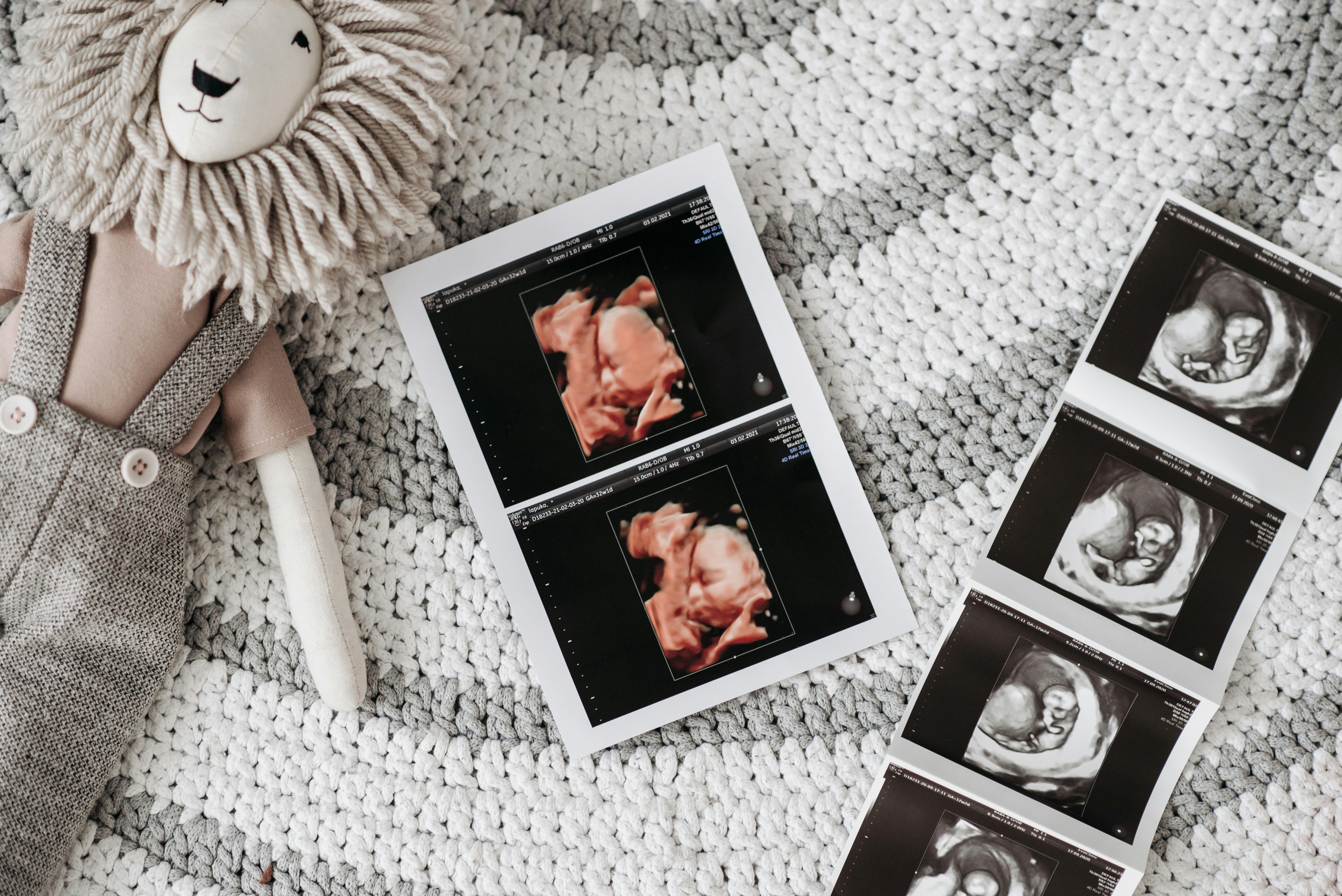
Elective ultrasound studios offer expecting families a chance to see their baby in 3D and 4D detail, often in a comfortable, private setting with extended appointment time. It is a keepsake experience, not a medical service. That distinction matters both for compliance and for understanding where this business sits in the marketplace.
The Salt Lake corridor from Davis County down through Utah County has seen steady growth in boutique health and wellness businesses. Elective ultrasound fits naturally into that trend. Families here tend to prioritize pregnancy experiences, and studios that open with strong training behind them tend to build loyal client bases quickly.

What Elective Ultrasound Training in Salt Lake City, Utah Actually Involves
Most career changers arrive at this question with a specific misconception: that elective ultrasound training is a short online course with a certificate at the end. The reality is different, and understanding that difference is the first step toward choosing a program that actually prepares you.
Quality training programs cover machine operation, image optimization, 2D ultrasound basics, 3D and 4D scanning techniques, early gender determination methods, and hands-on practice with real clients. The best programs also integrate business education — because owning a studio is not just about scanning skill. It requires pricing strategy, client communication, booking systems, and marketing awareness from day one.
Private hands-on training conducted at your location offers a meaningful advantage for people already holding or purchasing equipment. You learn on your actual machine, in your actual space, with clients you will serve after training ends. That context accelerates both the technical and operational learning curve.
According to the Utah Department of Health and Human Services, elective ultrasound services operate outside the medical diagnostic framework and are not subject to the same credentialing requirements as clinical sonography. Still, readers should verify any applicable local business and regulatory requirements before launching.
Who Tends to Do Well in This Field
Career changers from client-facing backgrounds tend to adapt fastest. Former nurses, medical assistants, photographers, doulas, and estheticians all share a useful skill set: they know how to put people at ease, manage a client experience, and communicate in high-stakes moments.
The technical component of elective ultrasound is learnable. Patience matters more than prior medical knowledge. The ability to work carefully, stay calm with anxious clients, and troubleshoot image quality in real time are the practical skills that separate confident technicians from uncertain ones after six months.
That said, the business side trips up more career changers than the scanning side does. People underestimate how much time goes into managing bookings, setting package prices, handling no-shows, marketing locally, and building referral relationships. Training programs that treat business education as an afterthought leave graduates underprepared for the actual challenge.
The Training Timeline Career Changers Underestimate
Three to four days of intensive hands-on training is the starting point, not the finish line. Most new technicians need two to three months of regular practice before their confidence fully settles. The scanning technique becomes more reliable. The client interaction becomes more natural. The workflow becomes faster.
Build that into your planning. If you expect to open your studio in week five and be fully booked by week eight, you are setting yourself up for frustration. A more realistic arc: complete training, practice consistently for six to ten weeks with volunteer clients, soft-open at reduced pricing, build your Google review base, and scale from there.
Studios that launch quietly, build real testimonials early, and refine their workflow before going all-in on marketing tend to have stronger first-year performance. The urgency to rush that process is understandable. It is also one of the most common early mistakes.
Hands-On Practice vs. Classroom Theory
Online ultrasound courses exist. Some are reasonably comprehensive on the conceptual side. None of them can replicate the experience of adjusting probe pressure in real time, learning how a machine responds to different body types, or managing a client who is anxious about what she is seeing on screen.
Hands-on training programs that use real clients during the session create a compressed but realistic environment. You make mistakes with supervision available. You build the neural pathways for scanning technique under structured guidance. That is a different kind of learning than watching video modules.
For career changers without a clinical background, this distinction is especially important. You are not reinforcing existing knowledge; you are building it from the ground up. The faster that happens in a real scanning environment, the better.
What to Look for in a Training Program
Before enrolling anywhere, ask these questions directly:
- Is the training conducted on-site, or do I travel to a training facility? On-site programs let you learn on your own equipment and in your own space.
- Does the program include business education? Pricing, marketing basics, and workflow planning should be part of the curriculum, not an upsell.
- What ongoing support is offered after training ends? The weeks after training are when questions surface. Programs without post-training support leave you to figure it out alone.
- Will I practice on real clients during training? Phantom practice is useful, but human scanning is irreplaceable.
- What does the training cover beyond 3D and 4D imaging? Early gender determination at 15 to 16 weeks, 2D techniques, and image optimization are all important for a complete skill set.
Programs that sidestep these questions or give vague answers deserve more scrutiny before you commit. A strong training provider is transparent about exactly what the program includes and does not oversell what three or four days can accomplish.
Ultrasound Trainers offers hands-on elective ultrasound training designed for exactly this kind of career transition — practical, instructor-led, and built around real scanning experience from day one.
The Career Pivot That Makes Sense for Salt Lake City
Salt Lake City is not a speculative market for this kind of business. Utah’s birth rate, family culture, and growing appetite for premium pregnancy experiences create a genuine demand base. The question for most career changers is not whether the market exists. It is whether they are prepared to serve it well.
The preparation starts with training — specifically, training that does not cut corners on hands-on practice, business education, or post-program support. It continues through the first months of operation, where consistency and client experience matter more than marketing spend.
For people coming from photography, healthcare, customer service, or any field that required both technical skill and human sensitivity, the transition is more achievable than it initially appears. The learning curve is real. So is the opportunity.
Ready to Explore Training in Salt Lake City?
If you are considering elective ultrasound training in Utah, Ultrasound Trainers can walk you through what the program covers, how on-site training works, and whether your situation is a good fit. Reach out to our team to start the conversation.
People Also Ask
About Ultrasound Trainers: Ultrasound Trainers provides private hands-on elective ultrasound training and turnkey studio launch support for entrepreneurs and career changers across the United States. Training is conducted on-site at the client’s location and covers scanning technique, machine operation, and business fundamentals.
Last Updated: May 2025
Disclaimer: Elective ultrasound is intended for bonding and keepsake purposes only. It is not a substitute for diagnostic ultrasound or routine prenatal care. Readers should verify applicable local regulations and business requirements with appropriate professionals before launching a studio.
Get the Inside Track
Training tips, business advice, and exclusive deals delivered straight to your inbox.

How to Get More Bookings for Your Elective Ultrasound Studio in Montana
Struggling to fill your elective ultrasound booking calendar in Montana? This guide covers what actually[...]

Buying an Elective Ultrasound Machine for an Arkansas Studio: What Actually Matters
Ready to buy an elective ultrasound machine for your Arkansas studio? This guide covers the[...]

How to Build a Pre-Launch Marketing Campaign for Your Elective Ultrasound Studio: A 60-Day Countdown Plan
Pre-launch marketing for an elective ultrasound studio begins 60 days before opening. This 60-day countdown[...]

What Career Changers in Hawaii Need to Know About Elective Ultrasound Training
Considering ultrasound training for a career change in Hawaii? This Q&A guide covers what training[...]

How to Find and Recruit Volunteer Scan Models for Elective Ultrasound Practice
Finding volunteer models for elective ultrasound practice is a skill in itself. Learn where to[...]

How to Write an Elective Ultrasound Business Plan That Actually Works
Writing an elective ultrasound business plan? This guide covers what to include, how to build[...]

How to Open an Elective Ultrasound Business in Honolulu: A Practical Startup Guide
Open an elective ultrasound business in Honolulu with confidence. This guide covers training, startup costs,[...]

Adding Elective Ultrasound to an Existing Photography or Doula Practice in Montana
Montana birth photographers and doulas: adding an elective ultrasound add-on business in Montana to your[...]

Starting an Elective Ultrasound Business in Cheyenne, Wyoming: First-Mover Advantage in the Least-Crowded Market in the Country
Thinking about starting an elective ultrasound business in Cheyenne, Wyoming? This guide covers the F.E.[...]

Elective Ultrasound Training for Career Changers in Sweden
Considering a career change into elective ultrasound in Sweden? Find out what training involves, whether[...]

What Career Changers in Fayetteville Should Know About Elective Ultrasound Training
Thinking about elective ultrasound training in Fayetteville, Arkansas as a career changer? This Q&A guide[...]

The Biggest Mistake Las Vegas Elective Ultrasound Studios Make With Their Marketing
Elective ultrasound studio marketing in Las Vegas prioritizes trust and reviews over ad spend. Here's[...]
