

Cost of Starting an Ultrasound Business in Australia
A practical cost map for launching a keepsake baby ultrasound studio in Australia, including what to budget, what to avoid, and how to build a plan that stays profitable when real life happens.
If you search for the Cost of Starting an Ultrasound Business in Australia, you will see a lot of vague ranges and a lot of people talking like there is one correct answer. There is not. The real cost is a set of decisions, and those decisions depend on how you plan to run your studio, what experience you want to sell, and how responsibly you handle training, policies, and uptime.
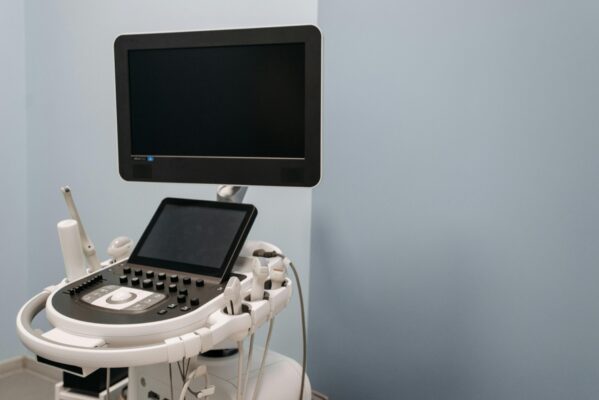
Here is the biggest mindset shift that will save you money: you are not just buying a 4D Ultrasound Machine. You are building a system that produces consistent sessions, consistent image delivery, and consistent reviews. The studios that win long term are rarely the ones that spent the most. They are the ones that spent in the right order.
In this guide, you will get a detailed, owner friendly framework to estimate your costs, set a cash runway, calculate break even sessions, and avoid the classic budget traps that hit new owners. You will also see how Ultrasound Trainers thinks about training, workflows, and policies, because those pieces directly impact profitability.
A good budget does not only tell you how much to spend. It tells you what to spend first so the studio opens with confidence and predictable operations.
This post covers business planning concepts across Australia. It is not legal or tax advice. Use it as a planning guide, then confirm details with the relevant official sources and your advisors.
The budget framework that stops expensive surprises
The fastest way to blow a budget is to treat your startup cost like one big shopping list. That leads to overspending on things that look good and underspending on things that keep the business running. A better approach is to separate costs into clear buckets.
Your budget should have three buckets: one time startup costs, monthly fixed costs, and monthly variable costs. Startup costs are what you spend to open. Fixed costs are what you pay even if you have zero appointments. Variable costs rise as you sell more sessions.
Why does this matter? Because a studio can open successfully and still fail later if monthly fixed costs are too high for realistic demand. Your ability to stay open is less about your opening day and more about your break even point.
Studio buildout and furniture
Initial training and SOP creation
Branding and website setup
Initial marketing assets and photos
Booking software and phone
Insurance and compliance items
Baseline marketing spend
Subscriptions and services
Supplies and consumables
Payment processing fees
Part time labour tied to volume
Packaging and delivery costs
Plan for equipment downtime risks
Plan for unexpected buildout expenses
Plan for marketing testing
Plan to sleep at night
The break even formula that makes decisions obvious
Break even is simple. Add up your monthly fixed costs. Estimate your gross profit per session. Divide the fixed costs by gross profit per session. The result is the number of sessions you need each month to cover overhead.
Here is why this is powerful. It turns vague planning into a target. If your break even number feels too high, you can make strategic changes. You can reduce fixed costs, increase pricing, increase conversion rate, or create higher margin add ons. It becomes a design problem, not a panic problem.
It also forces a question many owners avoid. Do you want a high volume studio with lower pricing, or a lower volume premium studio with higher pricing? Both can work. The cost structure and training plan must match the model.
Business setup costs in Australia that owners forget
When people think about Starting an Ultrasound Business, they often jump straight into equipment and décor. But business setup has its own set of costs and time requirements. This includes registrations, systems, and planning tools.
For example, you may need an Australian Business Number. The Australian Business Register explains eligibility and application basics and is managed by the ATO. It is also very clear that not everyone is entitled to an ABN, so it is worth confirming your situation early. [oai_citation:0‡abr.gov.au](https://www.abr.gov.au/business-super-funds-charities/applying-abn?utm_source=chatgpt.com)
If you plan to register a business name, ASIC explains that you generally need an ABN, and you can register a business name through ASIC or use the Business Registration Service to apply for an ABN and register a business name. [oai_citation:1‡asic.gov.au](https://www.asic.gov.au/for-business-and-companies/business-names/register-a-business-name/?utm_source=chatgpt.com)
For planning tools, business.gov.au provides a free business plan tool and templates that are useful when you want to map startup costs, revenue targets, and marketing activities in a structured way. [oai_citation:2‡business.gov.au](https://business.gov.au/planning/business-plans/develop-your-business-plan?utm_source=chatgpt.com)
GST planning as your revenue grows
Taxes are not the fun part of a launch, but they affect cash flow. In Australia, the ATO explains that you must register for GST when your GST turnover is A$75,000 or more. [oai_citation:3‡Australian Taxation Office](https://www.ato.gov.au/businesses-and-organisations/gst-excise-and-indirect-taxes/gst/registering-for-gst?utm_source=chatgpt.com)
business.gov.au also explains the A$75,000 threshold and that you must register within 21 days of becoming aware you will go over the threshold. [oai_citation:4‡business.gov.au](https://business.gov.au/registrations/register-for-taxes/register-for-goods-and-services-tax-gst?utm_source=chatgpt.com)
The practical budgeting takeaway is simple. If you are building a growth plan that could cross that threshold, plan early so you are not surprised by compliance timing. You do not need to solve every detail on day one, but you should know when the rule becomes relevant so cash flow stays predictable.
Equipment costs: buy a production system, not a box
Equipment is often the largest line item for a 3D/4D Ultrasound Business. But the most common mistake is buying based on price or brand name instead of buying based on workflow. A machine is not a trophy. It is a production tool that must produce consistent images and consistent delivery, session after session.
When you Buy Elective Ultrasound Machine, you are also buying an uptime story. How fast can you get support if something goes wrong? What is the service plan? What probes do you need? How is image export handled? If you cannot answer those questions, you do not have a complete equipment budget yet.
The studios that budget correctly treat equipment as a bundle: the console, the probes, the viewing setup, the file delivery system, and the support plan. If you only budget for the console, you will feel like the budget exploded later, even though it was simply incomplete.
Here is a practical way to decide what level of equipment you need. Start with your brand promise. If you promise premium keepsake moments and premium image quality, your equipment must support that promise. If you promise a simple bonding experience at a lower price point, you can prioritise reliability and speed. Both models work. The equipment choice should match the experience.
Service plan costs are part of the machine cost
A service plan feels like an optional add on until the first time you need it. Then it feels like the best decision you ever made. Downtime is expensive in a keepsake studio because it triggers cancellations, refunds, and disappointed families. Disappointed families do not leave glowing reviews.
This is why service planning belongs inside the Cost of Starting an Ultrasound Business. Your budget should include a clear plan for how you handle support, how fast help arrives, and what you do if downtime hits a weekend.
A simple question to ask every vendor is: “What is the typical response time and what is your plan if the machine fails during a busy week?” If the answer feels vague, treat that as a cost risk, because it usually becomes one.
Studio buildout costs: comfort beats decoration
Buildout costs vary, but what you build matters more than what you spend. Customers want comfort, privacy, and calm. They want a room that feels safe and welcoming. You can create that without luxury spending if you design with intention.
A great keepsake studio buildout usually prioritises seating comfort, lighting that looks good in photos, and a layout that supports workflow. A beautiful room that causes you to run late is not beautiful to the customer who is waiting. Schedule integrity is part of the experience.
Many owners overspend on décor and underspend on functional flow. Instead, budget for the things customers feel even if they cannot name them: room temperature comfort, sound comfort, privacy, and a viewing setup that makes the moment special.
A useful tactic is to map the session like a path. Where does the customer enter, where do they sit, where do they place belongings, where does consent happen, where does the scan happen, where does viewing happen, where does checkout happen? If the path is clean, your schedule stays clean.
The buildout items that often save money later
Some buildout items feel optional at first, but they reduce costs later. Example: storage and organisation systems reduce time lost searching for supplies. Good lighting reduces the need for expensive post editing and improves the perceived quality of photos. Comfortable seating reduces complaints and makes the experience feel premium.
Another overlooked cost saver is clear signage and simple customer guidance. When people know where to go and what to do, the session starts on time. When sessions start on time, you avoid overtime and stress.
The financial lesson is that buildout should support operations. Operations create reviews. Reviews create bookings. Bookings create revenue. Every cost should connect to that chain.
Training and policy costs: the hidden profitability lever
Many new owners treat training as a checkbox. That mindset is expensive. Training is a profitability lever because it affects session quality, rescan frequency, refunds, reviews, and staff confidence. If you want predictable revenue, you need predictable performance, and training is how you get it.
A complete Elective Ultrasound Training plan includes three layers: scanning fundamentals, session leadership, and business operations. Most problems in a keepsake studio are not caused by the machine. They are caused by poor expectation management, weak policies, and inconsistent workflows.
This is why strong Ultrasound Business Training Programs include scripting. What do you say when baby is facing away? What do you say when hands cover the face? What do you say when the family asks for medical interpretation? What do you say when you need to offer a rescan? The script is not fake. The script is consistency.
Ultrasound Trainers teaches training as a system, not a single event. That means you budget for initial training, practice time, competency checklists, and periodic refreshers. It sounds like more work. It usually saves money by reducing mistakes and improving reviews.
The rescan policy cost you do not want to pay
Rescans are normal in keepsake ultrasound because visibility varies. Baby position varies. But rescans become expensive when you do not have a policy. Without a policy, every rescan becomes a negotiation, and negotiation becomes inconsistency. Inconsistency becomes negative reviews.
A well designed rescan policy protects the customer and protects the business. It should define what qualifies, how long the rescan is, the booking window, and the expectation that specific images cannot be guaranteed.
The real cost saver is training staff to explain it warmly and confidently. When the team communicates clearly, the family feels cared for even if the session was limited. That is how you prevent complaint costs.
Marketing costs: pay for clarity and proof, not noise
Marketing is not a leftover category. Marketing is what creates demand while you build momentum. The studios that struggle usually have one of two problems. They either do not market enough and rely on hope, or they market aggressively without fixing clarity and workflow first.
The best Ultrasound Business Marketing Tips for a new studio are built around three engines: clarity, proof, and friction free booking. Clarity is your packages, your pricing, your policies, and your what to expect page. Proof is your reviews, your photos, and real customer stories. Friction free booking is a booking flow that makes it easy to choose a package and lock a time on mobile.
Your marketing budget should include basics like website pages and a review system. A review system is not begging. It is a process. Ask at checkout when the customer is smiling, then follow up with delivery and one simple review link. That is how studios build momentum.
When you do decide to spend on ads, ads work best when the landing page answers questions clearly. If your landing page is confusing, ads become expensive. If your landing page is clear, ads become a multiplier.
The marketing cost trap: trying to buy your way out of weak operations
This is common. A studio runs late, policies are unclear, and customers leave mixed reviews. The owner then spends more on ads to replace lost demand. That is expensive.
The cheaper solution is to improve the experience first. Tighten workflow, train scripts, improve delivery speed, and collect more reviews. Then marketing becomes more efficient because conversion rate rises. This is where training becomes marketing again.
If you want a stable studio, budget for the boring parts that create consistency. Consistency is what creates five star reviews. Five star reviews are what create low cost marketing.
Putting it together: a simple step by step budgeting plan
Let’s make this practical. If you are building your budget this week, here is a step by step method that works.
- Write your studio model: premium low volume or accessible higher volume, then set pricing range accordingly.
- Build the three bucket cost map: startup, monthly fixed, monthly variable.
- List equipment as a bundle: machine, probes, service plan, delivery workflow, viewing setup.
- Budget training and policies: elective ultrasound training, scripts, rescan policy, consent, SOPs.
- Calculate break even sessions: fixed costs divided by profit per session.
- Add a cash runway buffer: plan for slow booking months and surprises.
- Choose marketing basics: clarity pages, review engine, booking flow cleanup.
This plan works because it forces you to think like an operator. You are not asking, “How much does it cost?” You are asking, “What system am I building, and what does that system require to work reliably?”
If you want a structured planning template, business.gov.au provides business plan tools and templates that can help you map goals, costs, and actions in one place. [oai_citation:5‡business.gov.au](https://business.gov.au/planning/business-plans/develop-your-business-plan?utm_source=chatgpt.com)
Where Ultrasound Trainers fits into your cost plan
Ultrasound Trainers helps studio owners build the pieces that protect profitability: training, workflow, policy systems, and operational habits that create consistent experiences. If you want a studio that earns strong reviews, you need a team that can deliver strong sessions consistently. That is training plus systems.
If you are planning your launch and want support with Elective Ultrasound Training, studio workflow design, and policies that reduce rework, contact Ultrasound Trainers at (877) 943 7335 or email Info@UltrasoundTrainers.com.
Internal links you can add on your site: How to Open a 3D Ultrasound Studio, Elective Ultrasound Training, Buy Elective Ultrasound Machine, Ultrasound business resources.
Key takeaways: Budget in buckets, calculate break even sessions, treat equipment as a full production system, and invest early in training and policies because they reduce expensive mistakes. Plan for GST thresholds as you grow using official guidance. [oai_citation:6‡Australian Taxation Office](https://www.ato.gov.au/businesses-and-organisations/gst-excise-and-indirect-taxes/gst/registering-for-gst?utm_source=chatgpt.com)
Call to action: Are you building your startup budget right now? Which category feels hardest to estimate, equipment, buildout, training, or marketing? Share your question in the comments below. If you found this guide useful, help others by sharing it on social media.

Private On-Site Ultrasound Training for Staff: What Actually Matters Before You Choose
Wondering where to get private on-site ultrasound training for your staff? Here is what to[...]

Do You Need Certification to Start an Ultrasound Business?
Do you need certification to start an ultrasound business? Get a practical guide to training,[...]

Elective Ultrasound Business Profit Margins Explained: What the Numbers Actually Look Like
Curious about elective ultrasound business profit margins? Here's an honest breakdown of the numbers, the[...]

Best Elective Ultrasound Machine to Buy for a New Studio
Choose the best elective ultrasound machine with this buyer guide on image quality, probes, pricing,[...]
How Much Can You Make Owning an Elective Ultrasound Studio? Myths vs. Reality
Curious how much you can make owning an elective ultrasound studio? Here's an honest myth-busting[...]

Can Nurses Start an Ultrasound Business? Full Guide
Can nurses start an ultrasound business? Get a practical guide to training, legal considerations, setup,[...]

Can You Open an Elective Ultrasound Business Without a Medical License?
Many people open successful elective ultrasound businesses without a medical license. Elective ultrasound is not[...]

HD Ultrasound Image Quality: What Actually Affects Your Results
HD ultrasound image quality depends on more than your machine. This Q&A breaks down every[...]

Ultrasound Studio Pricing Strategy: How to Price Your Sessions and Packages
Effective ultrasound studio pricing balances your local market, your cost structure, and the value you[...]

What Is the Average Revenue of a 4D Ultrasound Business? A Smarter Way to Estimate It
What is the average revenue of a 4D ultrasound business? See how bookings, pricing, package[...]

Can a Sonographer Start Their Own Ultrasound Business?
Can a sonographer start their own ultrasound business? Get a practical guide to training, ownership,[...]

Best Ultrasound Machine Brands for Elective Ultrasound Studios
Compare the best ultrasound machine brands for elective ultrasound studios by workflow, image goals, budget,[...]
