

Nurses and medical assistants bring clinical advantages to elective ultrasound training that accelerate parts of the learning curve, particularly patient communication, anatomy recognition, and documentation. Understanding where that advantage applies and where elective-specific training fills genuine gaps helps healthcare professionals make the most informed decision about entering this field.
Nurses, medical assistants, and other healthcare professionals make up a meaningful portion of the people who seek elective ultrasound training each year. Their clinical backgrounds give them real advantages in some areas of elective ultrasound operation, but the assumption that medical experience fully substitutes for elective-specific training leads some healthcare professionals to underestimate the learning that is actually required.
This guide is written specifically for nurses and MAs who are considering elective ultrasound training. It is direct about where your clinical background helps, where it does not, and what a training program for healthcare professionals looks like in practice.
Where Your Clinical Background Gives You a Real Head Start
Patient communication and care are among the most underestimated dimensions of running an elective ultrasound studio. Working with pregnant clients requires sensitivity, calm confidence, and the ability to answer questions about what they are seeing in a way that is informative without crossing into diagnostic territory. Nurses and medical assistants do this professionally. The instinct to read a room, manage a nervous client, or reframe an unexpected result without causing alarm comes naturally to people who have spent years in clinical settings.
Anatomy and spatial reasoning are also areas where clinical experience provides a real foundation. Understanding fetal positioning, recognizing anatomical landmarks, and thinking in three dimensions are skills that feel intuitive to many healthcare professionals because they have developed them through clinical exposure. This does not mean elective scanning technique comes automatically, but it does mean the conceptual framework for understanding what you are seeing on screen develops faster.
Documentation practices, infection control protocols, and professional client interaction standards are all areas where healthcare professionals often arrive at training already competent. This allows training time to be focused on the skill areas that genuinely require instruction rather than spending time on professional conduct fundamentals.
Where Elective-Specific Training Is Still Required
3D and 4D image acquisition is not a standard part of nursing or medical assistant training. Even nurses who have worked in OB-GYN settings or assisted with diagnostic ultrasound have rarely operated the 3D and 4D rendering functions that define the elective ultrasound service experience. The skills of setting the acquisition box, optimizing rendering presets for Crystal Vue or HDLive, navigating the machine’s specific workflow for live 4D capture, and troubleshooting image quality in real session conditions require hands-on training on the specific equipment you will use.
Early gender determination at 14 to 16 weeks is another area requiring specific instruction. The anatomical markers, the gestational timing, the common misidentification scenarios, and how to communicate uncertainty to a client who has come specifically for this service are skills that need to be deliberately learned and practiced, regardless of clinical background.
Studio business operations are an entirely distinct domain from clinical practice. Pricing and package design, booking system setup, marketing, client acquisition, and the financial planning required to operate a profitable standalone studio are not skills that clinical experience develops. Healthcare professionals who plan to open their own studio rather than work within an existing one need the same business operations curriculum as any other aspiring studio owner.
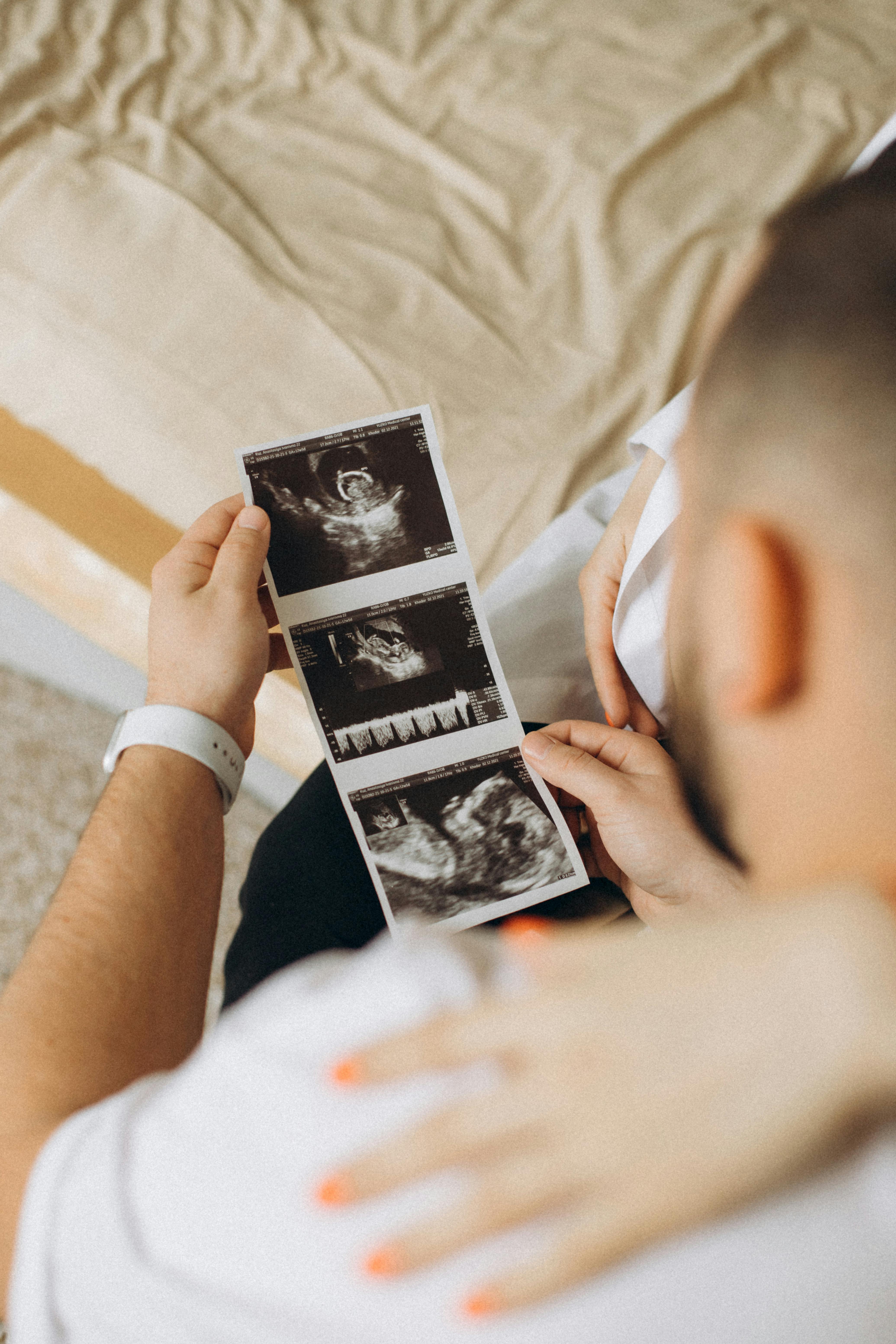
What Elective Ultrasound Training Looks Like for a Nurse or MA
A well-structured elective ultrasound training program for a healthcare professional covers: hands-on 3D and 4D machine operation, image acquisition and rendering optimization, early gender determination technique, session management and client communication in the elective (non-diagnostic) context, the boundary between elective and diagnostic imaging and how to maintain it professionally, and business operations for studio launch and growth.
The elective versus diagnostic distinction is particularly important for nurses and medical assistants to understand clearly. The scope of an elective ultrasound session is intentionally non-diagnostic. Clients come for a bonding and keepsake experience, not a clinical evaluation. Even nurses with strong clinical instincts need to be deliberately trained in the communication practices that maintain this boundary clearly and professionally, because the language and framing appropriate to elective contexts differs from clinical environments.
Ultrasound Trainers’ elective ultrasound training program is well-suited to healthcare professionals because the hands-on machine practice is conducted on the specific equipment trainees will own, the clinical anatomy foundation can be built on quickly, and the business operations content is integrated into the program rather than separated into a module that healthcare professionals might be tempted to skip.
Licensing and Scope of Practice Considerations
Elective ultrasound is not diagnostic ultrasound. This distinction has regulatory implications that healthcare professionals sometimes underestimate. Operating an elective ultrasound studio does not require a sonography license in most states, but it does require operating clearly within the elective, non-diagnostic scope that distinguishes elective studios from diagnostic imaging services.
Requirements vary by state, and some states have specific provisions that affect healthcare professionals operating elective services alongside or adjacent to their clinical practice. Consulting with a business attorney familiar with healthcare services regulations in your state before launching is advisable for anyone with an active clinical license who plans to operate an elective studio, because the intersection of your clinical scope with elective services may have implications specific to your situation. The American Institute of Ultrasound in Medicine publishes official statements on elective ultrasound that provide useful background on the professional and ethical context for this type of service.
Frequently Asked Questions
Can a nurse open an elective ultrasound studio?
Yes. Nurses are among the healthcare professionals who successfully launch and operate elective ultrasound studios. Nursing experience provides advantages in patient communication, anatomy understanding, and clinical professionalism. Elective-specific training in 3D and 4D machine operation, imaging technique, and studio business operations is still required to operate a studio well.
Does a medical assistant need elective ultrasound training?
Yes. A medical assistant background provides useful foundational skills, but elective ultrasound training is still necessary to operate a studio competently. The 3D and 4D image acquisition skills, rendering optimization, early gender determination technique, and business operations content are not covered in MA training and need to be learned through a dedicated elective ultrasound program.
How does elective ultrasound differ from diagnostic ultrasound for trained clinicians?
Elective ultrasound is non-diagnostic in scope. Sessions are intended for bonding and keepsake experiences, not medical evaluation. Trained clinicians entering elective practice need to understand and maintain the communication boundaries that keep elective sessions clearly within their intended scope. This means neither performing nor communicating anything that constitutes a clinical assessment, even when clinical instincts might prompt it.
Do healthcare professionals complete training faster than non-clinical trainees?
Healthcare professionals typically advance through the clinical scanning fundamentals of elective ultrasound training faster than trainees without medical backgrounds. The anatomy foundation, patient communication skills, and procedural instincts transfer meaningfully. Areas like 3D and 4D rendering, studio-specific imaging workflow, and business operations take the same deliberate time to develop regardless of clinical background.
Does my nursing license affect how I can operate an elective ultrasound studio?
This depends on your state’s specific regulations and how your nursing scope of practice intersects with operating an elective business. Consulting with a business attorney familiar with healthcare services regulations in your state is advisable before launch, particularly if you plan to operate an elective studio while maintaining an active clinical license.
What business skills do healthcare professionals need to develop for a studio?
Pricing and package design, booking system setup, local marketing and client acquisition, Google Business Profile management, review acquisition, financial planning including overhead cost modeling and break-even analysis, and the operational systems required to run a client-facing service business. These skills are not developed through clinical practice and should be a deliberate component of any training program for healthcare professionals entering elective ultrasound.
This post was developed by the team at Ultrasound Trainers, a company that provides hands-on elective ultrasound training, turnkey studio launch packages, and equipment guidance for studio owners across the country.
Last Updated: April 28, 2026
Get the Inside Track
Training tips, business advice, and exclusive deals delivered straight to your inbox.

How to Build a Pre-Launch Marketing Campaign for Your Elective Ultrasound Studio: A 60-Day Countdown Plan
Pre-launch marketing for an elective ultrasound studio begins 60 days before opening. This 60-day countdown[...]

What Career Changers in Hawaii Need to Know About Elective Ultrasound Training
Considering ultrasound training for a career change in Hawaii? This Q&A guide covers what training[...]

How to Find and Recruit Volunteer Scan Models for Elective Ultrasound Practice
Finding volunteer models for elective ultrasound practice is a skill in itself. Learn where to[...]

How to Write an Elective Ultrasound Business Plan That Actually Works
Writing an elective ultrasound business plan? This guide covers what to include, how to build[...]

How to Open an Elective Ultrasound Business in Honolulu: A Practical Startup Guide
Open an elective ultrasound business in Honolulu with confidence. This guide covers training, startup costs,[...]

Adding Elective Ultrasound to an Existing Photography or Doula Practice in Montana
Montana birth photographers and doulas: adding an elective ultrasound add-on business in Montana to your[...]

Starting an Elective Ultrasound Business in Cheyenne, Wyoming: First-Mover Advantage in the Least-Crowded Market in the Country
Thinking about starting an elective ultrasound business in Cheyenne, Wyoming? This guide covers the F.E.[...]
Elective Ultrasound Training for Career Changers in Sweden
Considering a career change into elective ultrasound in Sweden? Find out what training involves, whether[...]

What Career Changers in Fayetteville Should Know About Elective Ultrasound Training
Thinking about elective ultrasound training in Fayetteville, Arkansas as a career changer? This Q&A guide[...]

The Biggest Mistake Las Vegas Elective Ultrasound Studios Make With Their Marketing
Elective ultrasound studio marketing in Las Vegas prioritizes trust and reviews over ad spend. Here's[...]

Mobile Elective Ultrasound for Baby Shower Events: Packages, Pricing, and Logistics
Mobile ultrasound baby shower events guide for elective studio operators. Covers package structure, pricing frameworks,[...]
Birth Center and Midwife Referral Partnerships: Building a Consistent Lead Pipeline for Your Studio
A birth center referral partnership for an elective ultrasound studio builds a consistent, high-converting lead[...]
Explore all training formats, durations, and programs in our complete elective ultrasound training guide.
