

An elective ultrasound studio opening checklist covers the key decisions and preparations needed before your first client walks in the door. The major categories are business structure, location, equipment, training, branding and website, marketing, and operational systems. Getting each one in order before launch significantly reduces the friction of your first months in business.
Opening an elective ultrasound studio involves more decisions than most people expect and more interdependencies than a simple list suggests. A decision made early in the process, like which space you sign a lease for, affects decisions you make later, like equipment selection and how you stage the client experience. Getting the sequence right matters.
This checklist is organized in roughly the order decisions need to be made. Some items can run in parallel. A few have hard dependencies on what came before. The goal is to give you a practical working reference, not a marketing overview of what the business could be. If you are planning a launch, this is the kind of document you print and check off.
Business Structure and Legal Foundation
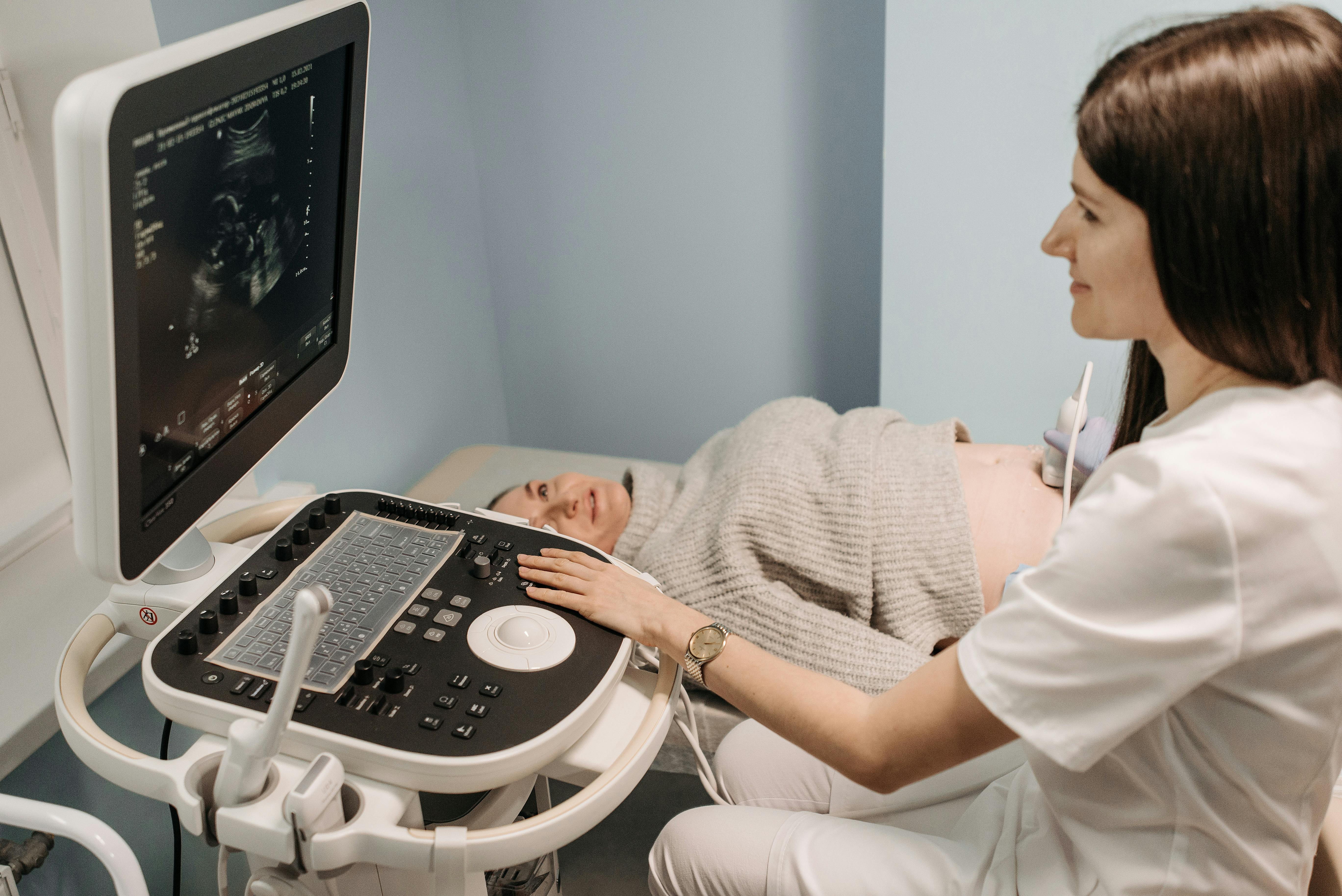
Location and Space
Training and Equipment
Branding, Website, and Marketing
Operational Systems
Frequently Asked Questions
How long does it take to prepare for an elective ultrasound studio opening?
Most people who are organized and focused complete the full preparation process in two to four months from the decision to launch. The longest lead-time items are typically finding and leasing the right space, completing training, acquiring and setting up equipment, and building the website. Running multiple preparation tracks in parallel shortens the timeline considerably.
What is the most important thing to complete before opening an elective ultrasound studio?
Training. Opening before your scanning skills are genuinely ready damages your reputation before it is built. Negative early reviews are difficult to overcome, and the elective ultrasound market runs heavily on word of mouth and review-driven discovery. Complete your training, practice on phantoms and volunteers, and confirm you can consistently deliver a quality session before you take your first paid booking.
Do I need a lawyer to open an elective ultrasound studio?
Legal guidance is strongly recommended, particularly for reviewing your lease, understanding your state’s regulatory environment for elective ultrasound, and setting up your business entity correctly. You do not need a lawyer for every operational decision, but the legal and structural foundation matters, and mistakes made early are more costly to correct than they are to get right the first time.
What is the typical total cost to open an elective ultrasound studio?
Total launch costs vary significantly based on equipment choice, space build-out requirements, and how much professional help you engage for branding and website. A turnkey launch through a comprehensive package program typically falls in the $70,000 to $90,000 range. Independent launches with separate equipment and service sourcing can vary considerably lower or higher depending on equipment selection and space requirements.
What operational systems are most important to have in place before opening?
Online booking with automatic confirmation and reminder emails, a client consent and intake form, a payment processing setup, and an accounting system. These four systems handle the operational basics of every client interaction. Having them functional and tested before your first paid session prevents the friction and embarrassment of figuring them out in front of clients.
This post was developed by the team at Ultrasound Trainers, a company that provides hands-on elective ultrasound training, turnkey studio launch packages, and equipment guidance.
Last Updated: April 28, 2026
Get the Inside Track
Training tips, business advice, and exclusive deals delivered straight to your inbox.

How to Build a Pre-Launch Marketing Campaign for Your Elective Ultrasound Studio: A 60-Day Countdown Plan
Pre-launch marketing for an elective ultrasound studio begins 60 days before opening. This 60-day countdown[...]

What Career Changers in Hawaii Need to Know About Elective Ultrasound Training
Considering ultrasound training for a career change in Hawaii? This Q&A guide covers what training[...]

How to Find and Recruit Volunteer Scan Models for Elective Ultrasound Practice
Finding volunteer models for elective ultrasound practice is a skill in itself. Learn where to[...]

How to Write an Elective Ultrasound Business Plan That Actually Works
Writing an elective ultrasound business plan? This guide covers what to include, how to build[...]

How to Open an Elective Ultrasound Business in Honolulu: A Practical Startup Guide
Open an elective ultrasound business in Honolulu with confidence. This guide covers training, startup costs,[...]

Adding Elective Ultrasound to an Existing Photography or Doula Practice in Montana
Montana birth photographers and doulas: adding an elective ultrasound add-on business in Montana to your[...]

Starting an Elective Ultrasound Business in Cheyenne, Wyoming: First-Mover Advantage in the Least-Crowded Market in the Country
Thinking about starting an elective ultrasound business in Cheyenne, Wyoming? This guide covers the F.E.[...]

Elective Ultrasound Training for Career Changers in Sweden
Considering a career change into elective ultrasound in Sweden? Find out what training involves, whether[...]

What Career Changers in Fayetteville Should Know About Elective Ultrasound Training
Thinking about elective ultrasound training in Fayetteville, Arkansas as a career changer? This Q&A guide[...]

The Biggest Mistake Las Vegas Elective Ultrasound Studios Make With Their Marketing
Elective ultrasound studio marketing in Las Vegas prioritizes trust and reviews over ad spend. Here's[...]

Mobile Elective Ultrasound for Baby Shower Events: Packages, Pricing, and Logistics
Mobile ultrasound baby shower events guide for elective studio operators. Covers package structure, pricing frameworks,[...]
Birth Center and Midwife Referral Partnerships: Building a Consistent Lead Pipeline for Your Studio
A birth center referral partnership for an elective ultrasound studio builds a consistent, high-converting lead[...]
