

This is the question that stops more people before they ever take the first real step. And the fear behind it makes complete sense. Ultrasound is a medical technology. Hospitals use it. Doctors order it. Why would a non-medical person be allowed to operate it in a business?
Here is the thing most people do not realize: elective ultrasound occupies a distinct legal and operational category from diagnostic medical sonography. Understanding that distinction is what makes this question answerable, and the answer is more permissive than most people assume when they first start researching.
This post lays out what the research actually shows about opening an elective ultrasound studio without a medical license, where the real legal nuances live, and what you need to do to protect yourself as you move forward. It is not legal advice, and requirements vary by state and business model, so professional legal guidance in your specific market is always worth the cost. But here is the honest picture.
The Distinction That Changes Everything
You can open an elective ultrasound studio without a medical license in most US states. That is the direct answer, and it is accurate for the majority of the country based on how most states treat elective, non-diagnostic ultrasound services.
The reason is rooted in what elective ultrasound actually is. Elective ultrasound, also called keepsake or entertainment ultrasound, is performed for bonding and keepsake purposes. It is not used to diagnose conditions, interpret fetal abnormalities, measure growth for clinical purposes, or replace any form of medical care. That non-diagnostic positioning is what separates it from the regulated practice of diagnostic medical sonography, which does require credentialing.
The FDA and many state regulatory bodies have taken positions distinguishing entertainment or keepsake ultrasound from diagnostic clinical applications. Several states have published specific guidance addressing this distinction. Others have not passed specific statutes, which means elective ultrasound businesses often operate under general business and healthcare-adjacent licensing rules rather than medical practice acts.
Where the Legal Complexity Lies
The nuance here matters. Opening an elective ultrasound studio without a medical license is not a blanket green light in every state under every business structure. Several factors affect your legal standing:
State-level variation. Some states have passed specific legislation addressing elective ultrasound businesses. Others are silent on the subject. A few have passed rules that are more restrictive. The regulatory landscape has also evolved over the past decade as elective ultrasound has become a recognized industry. What was true five years ago may not reflect the current rules in your state.
Business structure and scope of service. How you describe your services publicly, what language you use in your client intake forms, and whether your business positions itself as a medical or non-medical service all affect your compliance posture. A studio that clearly describes itself as providing non-diagnostic keepsake imaging operates in a different legal context than one that uses language implying clinical evaluation.
Supervision requirements. A small number of states or localities have enacted requirements for medical oversight or physician affiliation for elective ultrasound businesses. These requirements are the exception rather than the rule, but they exist in some markets and must be accounted for if your target location is one of them.
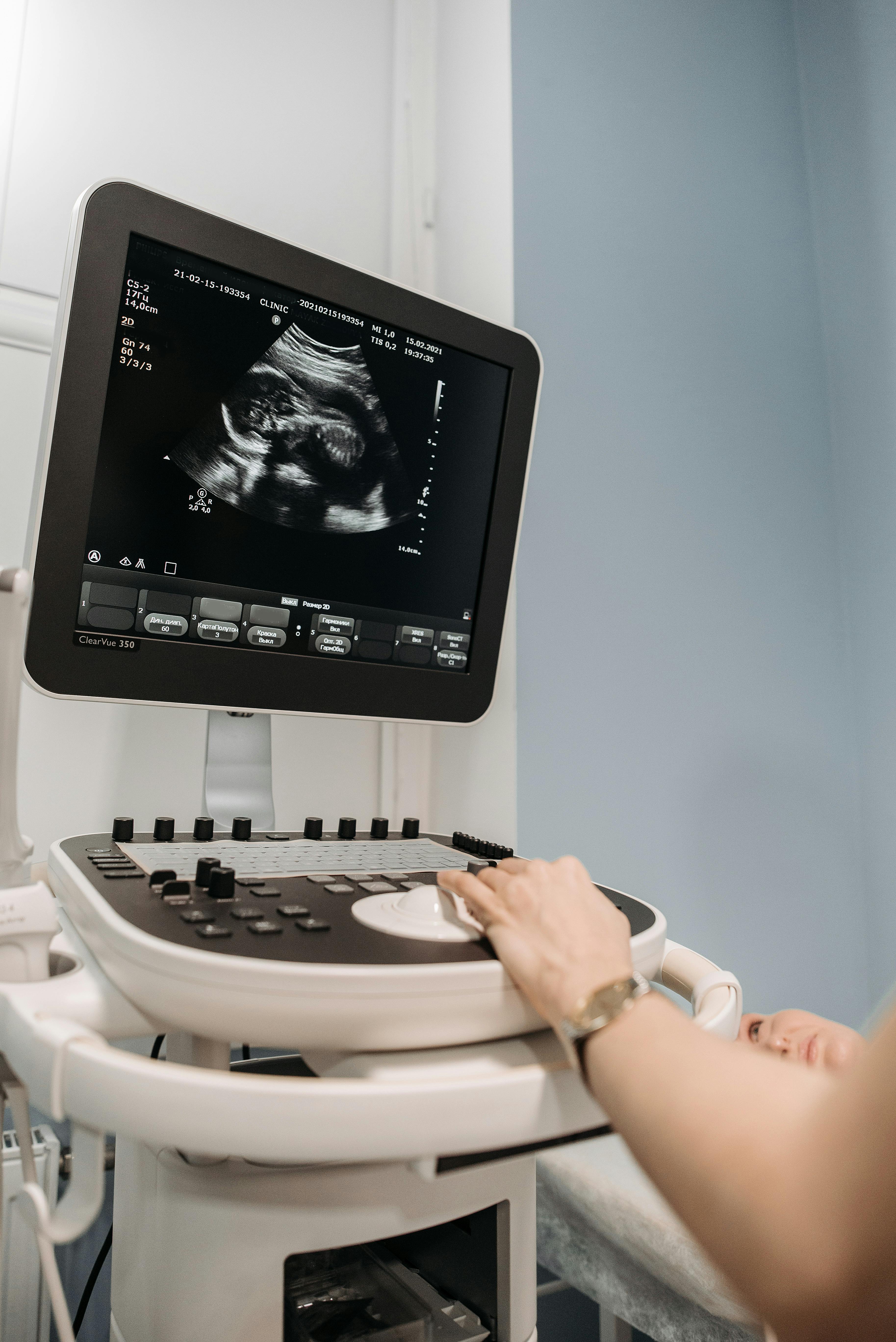
What the FDA Has Said About Elective Ultrasound
The FDA has published guidance addressing the use of ultrasound for non-medical purposes. Their position has included statements that casual or entertainment use of ultrasound devices without medical justification raises safety concerns, specifically around exposure duration and intensity when scans are performed without clinical oversight.
This matters for your business in practical terms. It means your studio protocols should include keeping scan durations reasonable, using equipment at appropriate output levels, and ensuring clients understand the non-medical nature of the service. These are not just legal protections. They are the right way to operate, and well-designed training programs include them as part of standard operating procedure.
The FDA’s guidance does not amount to a blanket prohibition on elective ultrasound business operation. What it does is establish that responsible practice matters, which is why training and proper business setup are not just marketing elements. They are real differentiators in terms of how you operate.
What a Non-Medical Elective Ultrasound Business Actually Needs
If you are opening without a medical license, the essentials look like this. First, standard business licenses and registration in your state and municipality. This is the same starting point as any small business. Second, appropriate business liability insurance covering the specific service you are offering. General business coverage often does not extend to health-adjacent services, so specialized coverage matters.
Third, thorough client intake and consent documentation. This is your first line of legal protection. Intake forms that clearly state the non-diagnostic nature of the service, confirm that clients are continuing regular prenatal care with their medical provider, and document informed consent for the session are standard practice in well-run elective studios.
Fourth, genuine training. Operating without technical skill is a liability both legally and practically. A well-trained operator who follows established protocols and maintains appropriate client communication is in a fundamentally different position than someone who bought equipment and figured it out through trial and error. The business training available through Ultrasound Trainers covers these operational essentials alongside the technical curriculum.
The Compliance Positioning That Protects Your Business
How you talk about your business publicly is as important as whether you are legally allowed to operate. The studios that run into the most trouble are often the ones that use language suggesting clinical assessment, medical confirmation, or diagnostic accuracy in their marketing materials.
Clear, accurate positioning is your protection. Describing your service as a bonding and keepsake experience, making clear that it is not a medical examination and does not replace prenatal care, and communicating these points consistently in your client communications, website, and social media keeps your business on the right side of the line.
Clients who understand what elective ultrasound is and is not before their appointment also have better experiences. Misaligned expectations create the situations studios find hardest to navigate. Good client communication is not just compliance. It is good business.
People Also Ask
Is it legal to open an elective ultrasound studio in all 50 states?
Elective ultrasound businesses operate across all 50 states, but the specific requirements vary by state. Some states have explicit guidance on how these businesses must operate, while others have no specific statutes. Consulting a local attorney before opening in any state is recommended.
Do I need a physician affiliated with my elective ultrasound business?
Most states do not require physician affiliation for elective ultrasound businesses. A small number of markets have rules that include supervision requirements. Your local attorney can confirm whether any such requirement applies in your specific location and business structure.
What is the difference between elective ultrasound and diagnostic sonography legally?
Diagnostic sonography is a clinical practice performed by credentialed professionals under physician oversight for medical evaluation purposes. Elective ultrasound is a non-diagnostic keepsake service. Most state medical practice acts regulate clinical diagnostic services and do not encompass non-diagnostic elective imaging businesses.
What liability insurance does an elective ultrasound studio need?
General business liability coverage specific to the ultrasound service is typically required. Standard small business policies often do not cover health-adjacent services. Working with an insurance professional familiar with elective or wellness businesses helps you find coverage appropriate for your operation.
Can I lose my license for operating an elective ultrasound business if I am a nurse or MA?
Healthcare professionals operating elective ultrasound businesses should evaluate whether their state licensing board has any position on the activity. This is a specific question worth asking a healthcare attorney in your state before opening, particularly if your primary professional license is active and important to your overall career.
What should my intake forms say to protect my business?
Strong intake forms clearly state that the service is non-diagnostic and not a substitute for medical care, confirm that the client is under regular prenatal care, explain what the session does and does not include, and document informed consent. A local attorney can review your specific forms for your market.
Does business structure affect the legal requirements for an elective ultrasound studio?
Business structure can affect certain licensing, tax, and liability considerations. Most elective ultrasound studios operate as LLCs for liability protection purposes. Whether you operate as a sole proprietor, LLC, or corporation has implications that a business attorney in your state can help you evaluate.
Can you open an elective ultrasound studio without a medical license from your home?
Home-based elective ultrasound studios exist and can be viable depending on your space, local zoning, and state business rules. Zoning regulations, homeowners association restrictions, and local business operating requirements all apply to home-based operations. These factors should be verified before committing to a home-based model.
Ready to Think Through Your Launch?
If you are planning to open an elective ultrasound studio and want to understand training, equipment, and business setup together, Ultrasound Trainers can help you think through the whole picture before you commit.
Start the ConversationAbout Ultrasound Trainers: Ultrasound Trainers provides training, business consulting, and equipment guidance for people opening elective ultrasound studios. We work with clients from all backgrounds and help them understand both the technical and operational requirements of building a successful studio. This content is educational and does not constitute legal advice.
Last Updated: April 23, 2026
Get the Inside Track
Training tips, business advice, and exclusive deals delivered straight to your inbox.

How to Get More Bookings for Your Elective Ultrasound Studio in Montana
Struggling to fill your elective ultrasound booking calendar in Montana? This guide covers what actually[...]

Buying an Elective Ultrasound Machine for an Arkansas Studio: What Actually Matters
Ready to buy an elective ultrasound machine for your Arkansas studio? This guide covers the[...]

How to Build a Pre-Launch Marketing Campaign for Your Elective Ultrasound Studio: A 60-Day Countdown Plan
Pre-launch marketing for an elective ultrasound studio begins 60 days before opening. This 60-day countdown[...]

What Career Changers in Hawaii Need to Know About Elective Ultrasound Training
Considering ultrasound training for a career change in Hawaii? This Q&A guide covers what training[...]

How to Find and Recruit Volunteer Scan Models for Elective Ultrasound Practice
Finding volunteer models for elective ultrasound practice is a skill in itself. Learn where to[...]

How to Write an Elective Ultrasound Business Plan That Actually Works
Writing an elective ultrasound business plan? This guide covers what to include, how to build[...]

How to Open an Elective Ultrasound Business in Honolulu: A Practical Startup Guide
Open an elective ultrasound business in Honolulu with confidence. This guide covers training, startup costs,[...]

Adding Elective Ultrasound to an Existing Photography or Doula Practice in Montana
Montana birth photographers and doulas: adding an elective ultrasound add-on business in Montana to your[...]

Starting an Elective Ultrasound Business in Cheyenne, Wyoming: First-Mover Advantage in the Least-Crowded Market in the Country
Thinking about starting an elective ultrasound business in Cheyenne, Wyoming? This guide covers the F.E.[...]

Elective Ultrasound Training for Career Changers in Sweden
Considering a career change into elective ultrasound in Sweden? Find out what training involves, whether[...]

What Career Changers in Fayetteville Should Know About Elective Ultrasound Training
Thinking about elective ultrasound training in Fayetteville, Arkansas as a career changer? This Q&A guide[...]

The Biggest Mistake Las Vegas Elective Ultrasound Studios Make With Their Marketing
Elective ultrasound studio marketing in Las Vegas prioritizes trust and reviews over ad spend. Here's[...]
