

Here’s what nobody tells you upfront about the home studio question: the honest answer depends less on your business goals and more on your local zoning laws, the size of your home, and how seriously you want to compete for clients who are comparing you to a polished boutique studio down the street.
A home-based elective ultrasound business is possible in many markets. Some operators run successful, profitable studios entirely from a dedicated room in their residence. Others find that the combination of zoning restrictions, space limitations, and client perception makes a commercial location the only practical path from the beginning. Understanding the real tradeoffs before you commit to either option saves you from significant time and expense later.
This guide lays out both options honestly so you can make the right decision for your situation, your market, and your long-term goals.
The Core Decision: Home Setup vs. Commercial Space
| Factor | Home-Based Studio | Commercial Space |
|---|---|---|
| Overhead cost | Lower — no separate rent | Higher — monthly lease added |
| Zoning compliance | Must verify locally — many zones restrict client visits | Commercial zoning designed for client traffic |
| Client experience | Depends heavily on setup quality and privacy | Easier to create boutique, professional environment |
| Client trust / perception | Can be strong if setup is polished; can be a barrier for some clients | Generally stronger first impression |
| Privacy | Requires dedicated entrance or careful management | Built-in separation from personal space |
| HOA / lease restrictions | May prohibit client-facing businesses entirely | Not a factor |
| Scalability | Limited by space and household constraints | Easier to expand hours, staff, and sessions |
| Break-even point | Lower due to reduced overhead | Higher due to rent obligation |
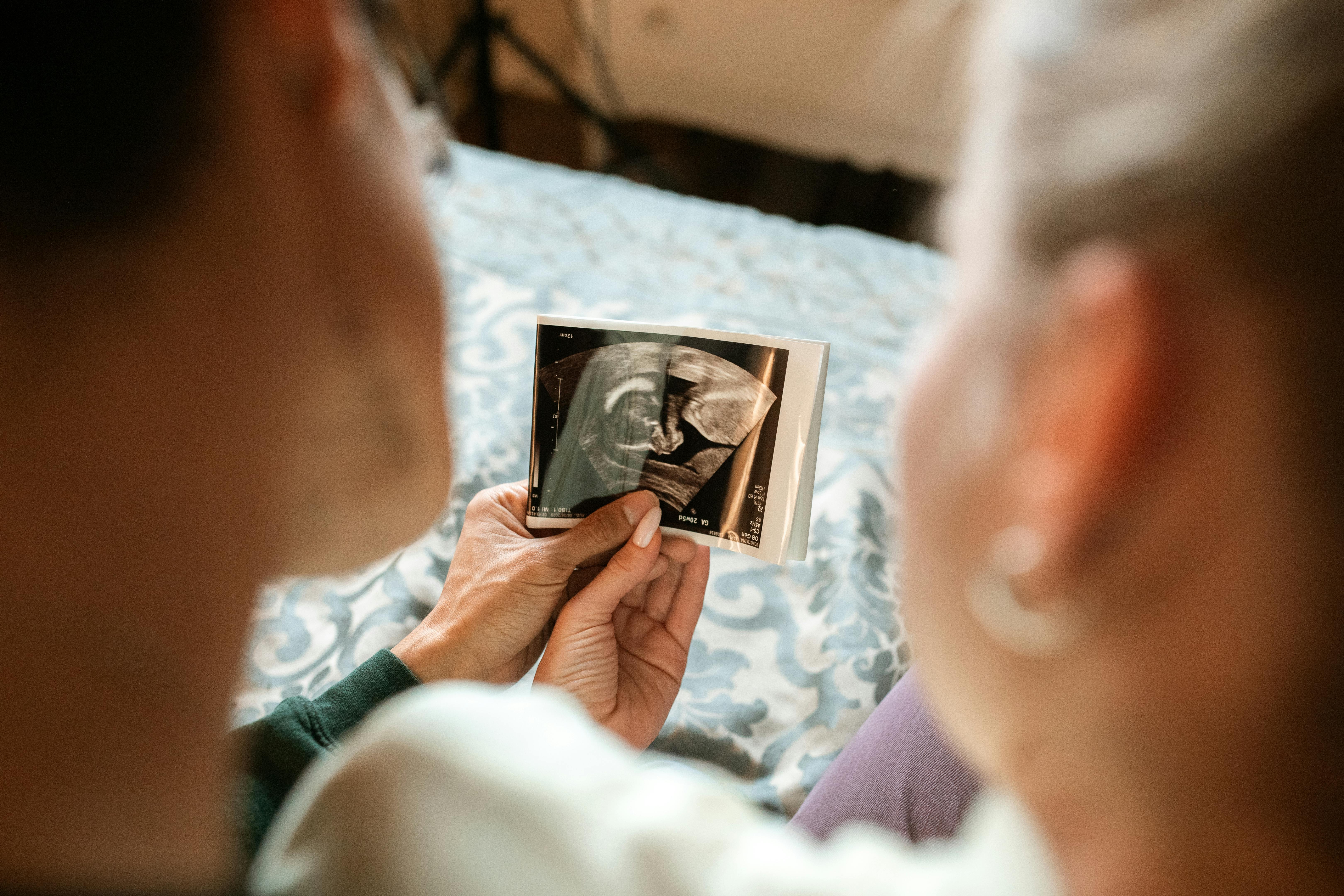
What It Takes to Run a Home-Based Elective Ultrasound Business
Running an elective ultrasound studio from home is not simply a matter of having an exam table in a spare room. The experience you provide is the product, and pregnant clients arriving at your address are making a judgment about your professionalism before they ever lie down for the scan. The home studios that work well are the ones that have been deliberately designed and equipped to feel like a boutique experience, not a side project happening in someone’s basement.
That means dedicated space with a lockable door, appropriate lighting and decor, a clean separation between your studio and the rest of your home, and a private entrance arrangement if possible. Clients often bring partners, parents, and siblings to these appointments. Managing a family of four flowing through a residential hallway and past your personal living space is operationally different from receiving them in a commercial setting, and not in a simpler way.
Zoning is the critical first check. Many residential areas in the US do not permit client-facing businesses to operate from private homes, or limit the number of client visits per day. HOA rules often restrict commercial activity entirely. Before spending a dollar on equipment or studio setup, confirm that your local zoning and any applicable HOA rules actually permit what you are planning. A home occupation permit, if available in your area, may be required and will have its own conditions.
What a Commercial Space Setup Provides That Home Studios Cannot
A commercial space gives you something that is genuinely difficult to manufacture at home: a professional first impression that is unconditional. Clients do not need to imagine what the studio might look like behind a residential front door. They arrive at a dedicated business location, and that reduces the psychological friction many clients feel about whether the service is legitimate and worth the price.
Commercial spaces also separate your personal life from your business life in ways that compound over time. Managing evening and weekend appointments around family schedules, handling client parking and entrance logistics, and eventually adding staff or extending hours all become significantly more complicated in a home setting. For studios that want to scale, a commercial space removes constraints that a home setup locks in.
The trade-off is overhead. A lease obligation changes your break-even calculation and requires a higher session volume to cover costs before the business is profitable. For new operators in smaller markets or with limited startup capital, that cost reality matters and deserves honest assessment before signing a lease.
Who a Home-Based Elective Ultrasound Business Is Right For
A home studio works best for operators who have verified that their local zoning permits client visits, have a genuinely separate and well-designed studio space, are in a market where boutique studio competition isn’t dense, and are planning to run the business as a supplemental income stream rather than a primary one, at least initially. Photographers or doulas who already have clients visiting their home for other services may find the transition easiest, since the client visit dynamic is already established.
It also works well for operators who are testing the market before committing to a lease. Running a home studio for 6 to 12 months, building a client base and a set of reviews, and then transitioning to a commercial space with that foundation already in place is a lower-risk path than signing a lease on day one with zero established demand.
Who Should Start With Commercial Space
If your market includes established boutique ultrasound studios with strong reviews and polished storefronts, matching or exceeding that client experience from a residential location is genuinely difficult and may hold back your growth in ways that a lower overhead can’t compensate for. Clients in competitive markets compare options before booking, and a strong commercial presence matters in that comparison.
Commercial space also makes more sense from day one if your plan includes hiring staff, running multiple sessions per day, or positioning the studio as a premium experience that justifies above-average pricing. The investment in a commercial space is an investment in the brand’s perceived value, and for studios where that positioning is central to the business model, it is often worth the overhead from the beginning.
People Also Ask
Is it legal to run an elective ultrasound business from home?
It depends entirely on your local zoning laws and any applicable HOA rules. Many residential zones prohibit or restrict client-facing businesses. Some areas allow home-based businesses with a home occupation permit, which may impose conditions on client visits, signage, and hours. Checking with your local zoning office and reviewing any HOA agreement before opening is essential. Do not assume it is permitted without verifying.
Do home-based elective ultrasound studios make as much money as commercial ones?
Not necessarily more, but the break-even point is lower because there is no separate rent obligation. Revenue potential depends on session volume, pricing, and market demand, not the location type. Home studios can be profitable with lower session volume than commercial ones need to cover overhead. However, growth may be more constrained due to space, zoning limits on client visits, and client perception factors in competitive markets.
What does a home elective ultrasound studio setup need to include?
At minimum: a dedicated, lockable space separate from your living areas, appropriate exam table and positioning equipment, the ultrasound machine and display system, proper lighting, professional decor that creates a warm and comfortable experience, and a private entrance arrangement if possible. The space should feel like a boutique studio, not a converted bedroom. Client experience is your product, and the environment is part of that product.
Can you get a home occupation permit for an elective ultrasound business?
In many municipalities, yes. Home occupation permits allow residents to run certain types of businesses from their homes under specific conditions, often including restrictions on client visit frequency, signage, and parking. Whether a permit is available, what it costs, and what conditions it imposes varies significantly by location. Contact your city or county planning or zoning office to find out what applies in your area.
Should I start at home and move to a commercial space later?
For operators in markets without dense boutique studio competition, and where local zoning permits it, starting at home while building a client base and a set of reviews can be a sound low-risk approach. The key is setting up with the intention of eventually transitioning to commercial space, and building the business systems and reputation that make that transition easier when the time comes. Avoid building a setup that is so home-specific that moving it later requires starting over.
Need Help Thinking Through Your Setup?
If you’re weighing the home versus commercial decision and want guidance on startup planning, equipment, and business setup, explore Ultrasound Trainers’ business training options or contact our team directly to talk through what makes sense for your market and goals.
Ultrasound Trainers provides hands-on elective ultrasound training, startup consulting, and equipment guidance to people entering the elective ultrasound industry across the United States. We work with new studio owners at every stage of the planning process, from location decisions to equipment selection to launch strategy.

How to Build a Pre-Launch Marketing Campaign for Your Elective Ultrasound Studio: A 60-Day Countdown Plan
Pre-launch marketing for an elective ultrasound studio begins 60 days before opening. This 60-day countdown[...]

What Career Changers in Hawaii Need to Know About Elective Ultrasound Training
Considering ultrasound training for a career change in Hawaii? This Q&A guide covers what training[...]

How to Find and Recruit Volunteer Scan Models for Elective Ultrasound Practice
Finding volunteer models for elective ultrasound practice is a skill in itself. Learn where to[...]

How to Write an Elective Ultrasound Business Plan That Actually Works
Writing an elective ultrasound business plan? This guide covers what to include, how to build[...]

How to Open an Elective Ultrasound Business in Honolulu: A Practical Startup Guide
Open an elective ultrasound business in Honolulu with confidence. This guide covers training, startup costs,[...]

Adding Elective Ultrasound to an Existing Photography or Doula Practice in Montana
Montana birth photographers and doulas: adding an elective ultrasound add-on business in Montana to your[...]

Starting an Elective Ultrasound Business in Cheyenne, Wyoming: First-Mover Advantage in the Least-Crowded Market in the Country
Thinking about starting an elective ultrasound business in Cheyenne, Wyoming? This guide covers the F.E.[...]

Elective Ultrasound Training for Career Changers in Sweden
Considering a career change into elective ultrasound in Sweden? Find out what training involves, whether[...]

What Career Changers in Fayetteville Should Know About Elective Ultrasound Training
Thinking about elective ultrasound training in Fayetteville, Arkansas as a career changer? This Q&A guide[...]

The Biggest Mistake Las Vegas Elective Ultrasound Studios Make With Their Marketing
Elective ultrasound studio marketing in Las Vegas prioritizes trust and reviews over ad spend. Here's[...]

Mobile Elective Ultrasound for Baby Shower Events: Packages, Pricing, and Logistics
Mobile ultrasound baby shower events guide for elective studio operators. Covers package structure, pricing frameworks,[...]
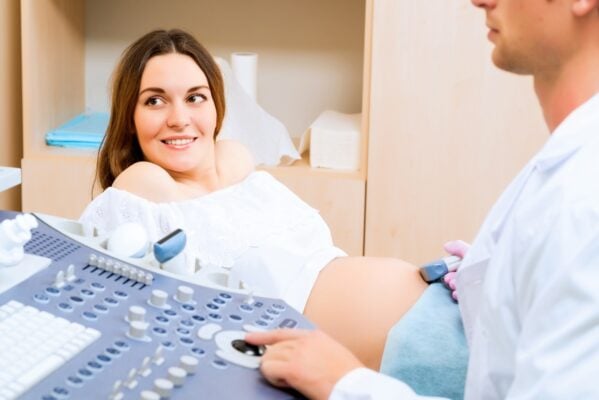
Birth Center and Midwife Referral Partnerships: Building a Consistent Lead Pipeline for Your Studio
A birth center referral partnership for an elective ultrasound studio builds a consistent, high-converting lead[...]
Sign up for our newsletter
Sign up for our newsletter and be the first to get the latest updates and exclusive discounts delivered directly to your inbox!
Ready to open your own studio? Get the complete roadmap at our Start Your Own 3D/4D Ultrasound Studio page.
