

This question has a less complicated answer than most people researching it expect. The reason it feels complicated is that elective ultrasound involves medical-looking equipment, and medical businesses typically have strict ownership rules tied to professional licensure. People assume those same rules apply here. In most cases, they do not.
Elective ultrasound is a bonding and keepsake service, not a medical service. That distinction is the foundational fact that shapes everything about how ownership rules apply to this industry. Understanding it clearly is the starting point for understanding what the legal picture actually looks like for you, regardless of your background, credentials, or prior experience.
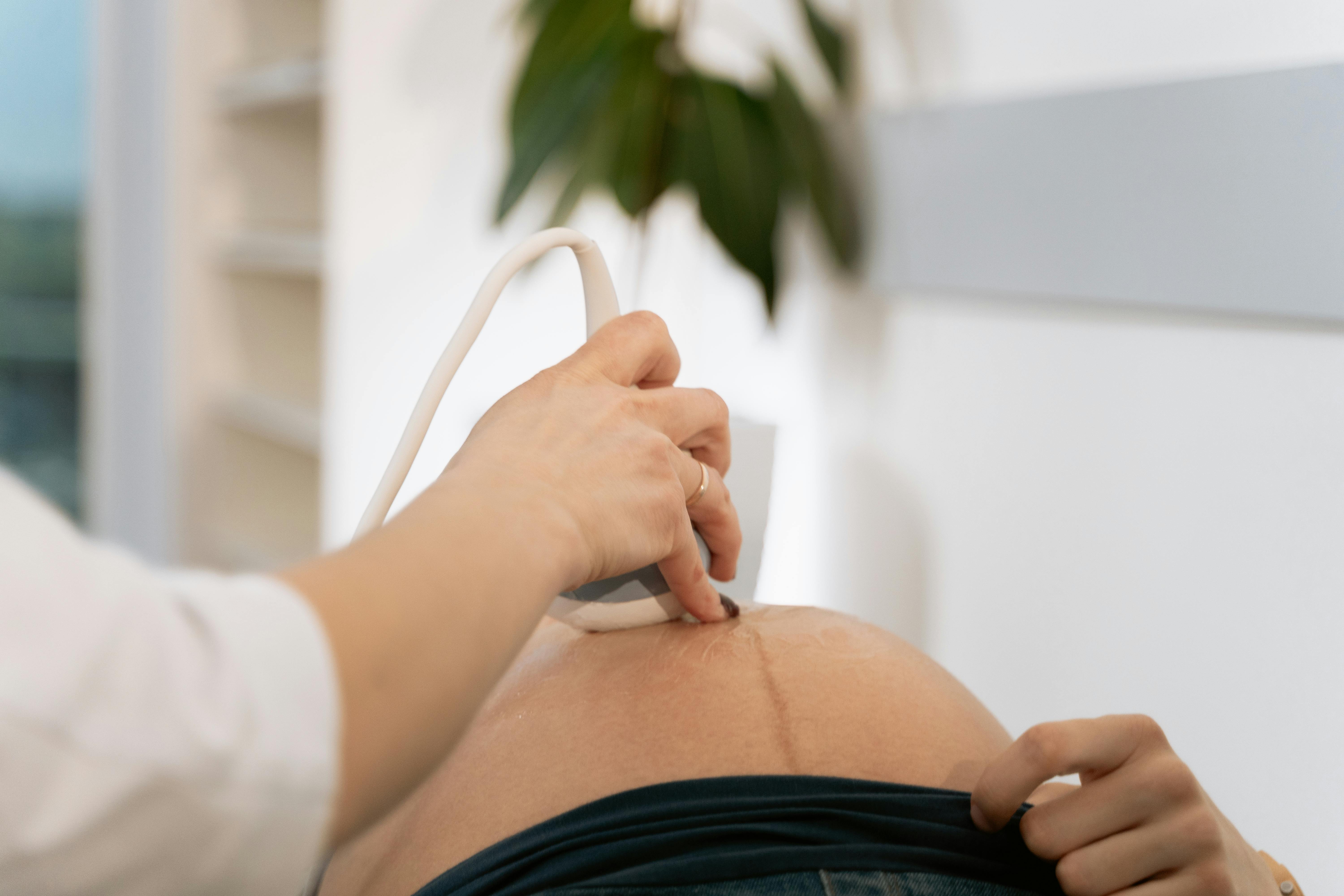
Does Owning an Elective Ultrasound Business Require a Medical License?
In most states, no. Elective ultrasound is not classified as the practice of medicine, diagnostic radiology, or clinical sonography at the federal level, and most states have not enacted regulations that restrict ownership of elective studios to licensed healthcare professionals. Business ownership, in this industry as in most others, is generally open to any adult who can form a legal business entity, meet local licensing requirements, and operate in compliance with applicable regulations.
The ownership question is distinct from the operating question. Ownership means being the legal entity that runs the business. Operating means performing the sessions. Some states have specific requirements about who can perform elective ultrasound scans. Those requirements do not necessarily restrict who can own the business, particularly in cases where the owner hires trained operators to perform sessions rather than doing so personally. The investor-owner model, where the owner manages the business but is not the one scanning, is a legitimate structure in most markets.
What About States That Have Specific Elective Ultrasound Regulations?
A small number of states have enacted specific regulations for elective ultrasound businesses. These regulations vary significantly in their scope and requirements. Some address the disclosure language that studios must use with clients. Some impose conditions on how sessions are conducted. A few include requirements about operator qualifications or physician oversight arrangements. Fewer still have rules that specifically limit business ownership by non-credentialed individuals.
The important point is that you cannot assume your state’s regulatory picture matches what you have read about another state’s rules. Requirements differ enough from state to state that confirming exactly what applies in your specific location with a local attorney before you open is one of the most important early steps in the startup process. This is not a reason to delay indefinitely, it is a reason to make a single conversation with a qualified local attorney one of the first items in your planning timeline.
Can a Non-Medical Person Be the Legal Owner of an Elective Ultrasound Studio?
Yes, in most states. Elective ultrasound businesses are consumer service businesses, and consumer service business ownership is not generally restricted to licensed healthcare professionals. Career changers, entrepreneurs, photographers, doulas, and people from all kinds of non-clinical backgrounds own and operate elective ultrasound studios across the United States.
What a non-medical owner needs is the same thing any elective studio owner needs: specific hands-on training in elective scanning technique if they are performing sessions personally, or a trained and appropriately prepared operator if they are not. Proper business formation, applicable local licensing, and consistent compliance with the elective (non-diagnostic) service positioning that all studios must maintain are required regardless of the owner’s background. The credential that matters for this business is practical preparation, not academic or professional pedigree.
What Business Entity Should an Elective Ultrasound Studio Be Organized Under?
A Limited Liability Company (LLC) is the most common and generally recommended structure for new elective ultrasound studio owners. An LLC provides liability protection that separates business assets from personal assets, offers flexibility in taxation and management structure, and is straightforward to form in most states. The filing process is handled at the state level and is typically completed in a matter of hours with the guidance of a local attorney or accountant.
An S Corporation may make more financial sense at higher revenue levels due to self-employment tax treatment differences, but most studios start as LLCs and evaluate the structure change once the business is established. A sole proprietorship is the simplest structure but provides no liability protection, which is a meaningful risk in any consumer service business. Getting the entity structure right from the beginning is much easier than restructuring an operating business later.
Do You Need a Physician Oversight Agreement to Own an Elective Ultrasound Studio?
This depends on your state. Some states require or strongly recommend that elective ultrasound studios operate under a physician oversight or collaboration agreement. In these states, having a formal relationship with a licensed physician who is aware of the studio’s operations may be a condition of legal compliance. Other states have no such requirement for elective studios. A few states have oversight requirements for diagnostic ultrasound businesses that do not apply to elective ones.
The oversight question is one of the most variable across states and one of the most important to clarify before opening. Operating without required oversight in states that mandate it creates legal exposure that is entirely avoidable. If your state requires it, establishing the oversight relationship is a one-time administrative step, not an ongoing operational burden. Your local attorney can tell you whether this applies in your market and how the arrangement is typically structured.
What Local Licenses Does an Elective Ultrasound Studio Owner Need?
At a minimum, most elective studio owners need a general business license from their state or city, a seller’s permit for collecting sales tax on services or products where applicable, and any permits required for the specific physical location (commercial zoning compliance, signage permits, and so on). Home-based studios may require a home occupation permit and must meet any HOA restrictions that apply to client-facing businesses.
The exact combination of licenses required depends on your state, city, and the physical structure of your business. Getting a complete list from your local business licensing authority or from your attorney early in the planning process is the right approach. Most of these are standard small business requirements with straightforward application processes. They are not complicated to obtain, but they are not optional.
Does It Matter Whether the Owner or an Employee Performs the Scans?
It matters for the staffing and training structure of the business, and it may matter for state-specific regulations around who can perform elective ultrasound. Whether it matters for the ownership structure itself depends on your state’s rules, which is why confirming local requirements with an attorney is so important.
In states where there are no specific requirements about operator qualifications for elective studios, the owner can hire whoever they wish to perform sessions, provided that person is appropriately trained. In states with more specific requirements, the operator qualifications may be defined more narrowly. The ownership structure itself is generally independent of the operator staffing question in most markets, but the two need to be addressed together as part of the overall compliance picture.
Bottom Line
In most states, the answer to who can legally own an elective ultrasound business is: any adult who forms a proper business entity, obtains applicable local licensing, and operates in compliance with state-specific requirements. Medical licensure is not a standard ownership requirement because elective ultrasound is not a medical practice. It is a consumer bonding and keepsake service business, and it is owned and operated by people from all kinds of backgrounds across the country.
What the law does require, universally and without exception, is that all elective studios consistently position their services as bonding and keepsake experiences that do not constitute medical care, diagnosis, or a substitute for prenatal care. That positioning is both legally important and simply accurate. Every element of how an elective studio presents itself to clients needs to reflect that clarity.
If you are planning to open a studio and want to understand how to set up the business correctly from the beginning, starting with a business training and consulting conversation is one of the most efficient ways to get the legal and operational foundations right before you invest in equipment or a lease.
People Also Ask
Can a non-medical person legally own an elective ultrasound business in the United States?
Yes, in most states. Elective ultrasound business ownership is not generally restricted to licensed healthcare professionals at the federal level or in most states. Non-medical owners, including career changers and entrepreneurs with no clinical background, own and operate elective studios across the country. State-specific requirements vary, so confirming what applies in your location is a necessary early step.
Does elective ultrasound require a healthcare business license?
In most states, no. Elective ultrasound is a consumer bonding and keepsake service, not a medical service, and is not subject to healthcare-specific business licensing in most markets. Standard small business licensing, including a general business license and any applicable local permits, is the typical requirement. Some states have enacted specific rules for elective studios beyond general business licensing, which is why confirming requirements in your specific state matters.
Can someone with no clinical experience own and operate an elective ultrasound studio?
Yes. Ownership requires business preparation, proper entity formation, and compliance with applicable regulations. If the owner is also performing the sessions, specific hands-on elective ultrasound training is required before working with paying clients. If the owner is hiring an operator to perform sessions, the operator needs the training, but the owner does not need clinical credentials to own the business. Both models are legal and operating in most states.
What makes an elective ultrasound business legally different from a medical ultrasound practice?
The fundamental difference is the purpose and positioning of the service. A medical ultrasound practice performs diagnostic imaging as part of clinical care, is ordered by or conducted under the oversight of medical professionals, and produces results interpreted for clinical purposes. An elective ultrasound studio offers bonding and keepsake experiences, is not providing diagnoses or clinical evaluations, and positions its sessions explicitly as non-medical. That distinction drives almost all the regulatory differences between the two.
Are there states where only medical professionals can own an elective ultrasound studio?
A few states have enacted regulations for elective ultrasound that impose conditions on who can perform scans or how studios must be structured. Whether any specific state restricts ownership to credentialed professionals is a state-specific question that requires checking current local regulations. At the time of this writing, the majority of states do not restrict elective studio ownership to licensed healthcare professionals, but the regulatory landscape varies and changes over time. A local attorney is the right resource for confirming current requirements in your state.
Does a corporation or LLC structure matter for elective ultrasound studio ownership?
Yes. Business entity structure matters for liability protection, taxation, and the legal separation between the owner’s personal assets and the business. An LLC is the most common structure for new elective studios because it provides liability protection without the complexity of a corporation. Operating as a sole proprietorship without an entity structure leaves the owner personally exposed to business liabilities. Getting the entity structure right before opening, with the guidance of a local attorney or accountant, is one of the highest-value early preparation steps for any new studio owner.
What happens if someone opens an elective ultrasound studio without meeting their state’s requirements?
Operating without required licensing or in violation of applicable state regulations creates legal exposure that may include fines, forced closure, or other regulatory action depending on the nature of the violation and the state’s enforcement approach. The risk is entirely avoidable with proper legal preparation before opening. Most state requirements for elective studios are not burdensome to meet. The problem is not that they are too difficult to comply with. It is that operators sometimes skip the step of confirming what is required.
Want to Start With a Clear Legal and Business Foundation?
If you are planning to open an elective ultrasound studio and want to understand the ownership structure, business setup, and training process, contact Ultrasound Trainers to talk through your situation. We work with new owners at every stage of the planning process and can help you understand what needs to be in place before you open.
Ultrasound Trainers provides hands-on elective ultrasound training, business startup consulting, and equipment support to people entering the elective ultrasound industry across the United States. We work with entrepreneurs, career changers, healthcare professionals, and business owners at every stage of the planning and launch process.
Last Updated: March 20, 2026

How to Get More Bookings for Your Elective Ultrasound Studio in Montana
Struggling to fill your elective ultrasound booking calendar in Montana? This guide covers what actually[...]

Buying an Elective Ultrasound Machine for an Arkansas Studio: What Actually Matters
Ready to buy an elective ultrasound machine for your Arkansas studio? This guide covers the[...]

How to Build a Pre-Launch Marketing Campaign for Your Elective Ultrasound Studio: A 60-Day Countdown Plan
Pre-launch marketing for an elective ultrasound studio begins 60 days before opening. This 60-day countdown[...]

What Career Changers in Hawaii Need to Know About Elective Ultrasound Training
Considering ultrasound training for a career change in Hawaii? This Q&A guide covers what training[...]

How to Find and Recruit Volunteer Scan Models for Elective Ultrasound Practice
Finding volunteer models for elective ultrasound practice is a skill in itself. Learn where to[...]

How to Write an Elective Ultrasound Business Plan That Actually Works
Writing an elective ultrasound business plan? This guide covers what to include, how to build[...]

How to Open an Elective Ultrasound Business in Honolulu: A Practical Startup Guide
Open an elective ultrasound business in Honolulu with confidence. This guide covers training, startup costs,[...]

Adding Elective Ultrasound to an Existing Photography or Doula Practice in Montana
Montana birth photographers and doulas: adding an elective ultrasound add-on business in Montana to your[...]

Starting an Elective Ultrasound Business in Cheyenne, Wyoming: First-Mover Advantage in the Least-Crowded Market in the Country
Thinking about starting an elective ultrasound business in Cheyenne, Wyoming? This guide covers the F.E.[...]

Elective Ultrasound Training for Career Changers in Sweden
Considering a career change into elective ultrasound in Sweden? Find out what training involves, whether[...]

What Career Changers in Fayetteville Should Know About Elective Ultrasound Training
Thinking about elective ultrasound training in Fayetteville, Arkansas as a career changer? This Q&A guide[...]

The Biggest Mistake Las Vegas Elective Ultrasound Studios Make With Their Marketing
Elective ultrasound studio marketing in Las Vegas prioritizes trust and reviews over ad spend. Here's[...]
Sign up for our newsletter
Sign up for our newsletter and be the first to get the latest updates and exclusive discounts delivered directly to your inbox!
Ready to open your own studio? Get the complete roadmap at our Start Your Own 3D/4D Ultrasound Studio page.
