
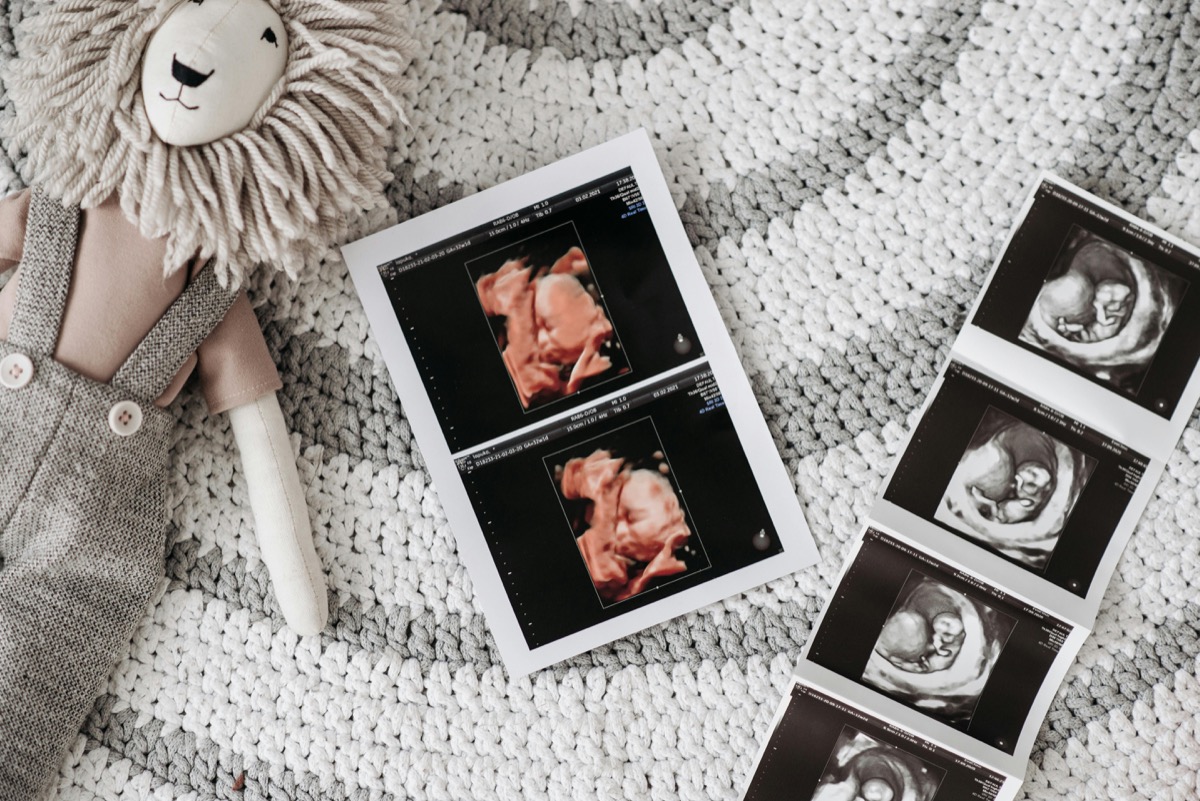
This post answers one of the most practical questions we hear from doulas, maternity photographers, and healthcare professionals who already serve pregnant clients: exactly how does adding 4D ultrasound services to your existing business work, and what does it actually take to do it right?
The short version is that it is more accessible than most people expect. But it does require deliberate planning around training, equipment, space, and how the new service fits into what you already offer. The questions below address each of those pieces directly.
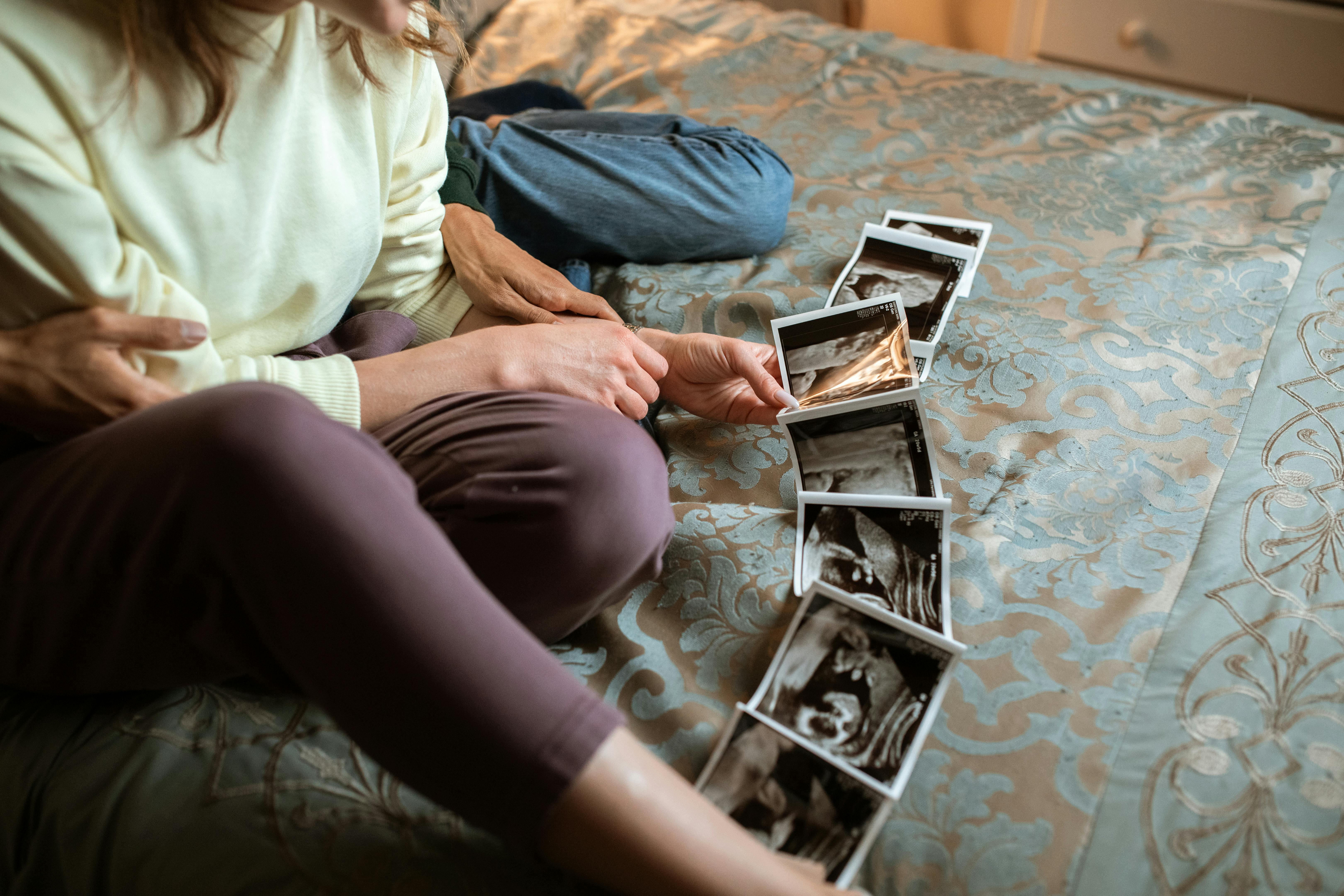
What Does Adding 4D Ultrasound Services to an Existing Business Actually Involve?
At its core, adding elective 4D ultrasound services means acquiring trained scanning ability, acquiring the right equipment, designating a space for sessions, and integrating the new service into your existing client journey and pricing structure. None of those steps is inherently complicated, but each requires specific decisions. Training is the most important piece to get right first — the equipment, the space, and the pricing all depend on what you learn and how confidently you can deliver the service once trained.
What the process does not require, in most cases, is a medical license or clinical credential. Elective ultrasound is designed for bonding and keepsake purposes, not for medical diagnosis. Requirements can vary by state, so checking your local regulations before you move forward is always worth doing — but in most markets, the path to offering this service is more accessible than people initially assume.
Do You Need a Medical License to Offer Elective Ultrasound Services?
In most US states, elective ultrasound studios operate without requiring operators to hold a clinical sonography license. The regulatory landscape does vary — some states have more specific guidance than others, and requirements can shift over time. The strong recommendation from every legitimate training and business support resource in this industry is to check your specific state’s requirements before opening, rather than assuming the rules in one state apply everywhere.
What most markets do require is proper training, appropriate positioning of the service as elective rather than medical, and clear communication to clients that elective ultrasound is not a substitute for their prenatal care. A well-structured training program will address compliance basics as part of the curriculum. If yours does not, treat that as a gap worth filling independently.
What Equipment Do You Need to Start Offering 4D Ultrasound?
At minimum, you need a capable 3D/4D ultrasound machine with a compatible convex probe, a thermal printer or digital output system for delivering images to clients, a projector or monitor for live viewing during the session, and a gel warmer and basic supplies. For a keepsake-focused service, image quality is one of the primary things clients evaluate and remember. That means investing in equipment that can consistently produce the kind of 4D images that families want to share — not just any machine that generates an image.
The good news is that the market for elective ultrasound equipment has matured enough that strong options exist across a range of price points. Machine selection should account for the types of sessions you plan to offer, the level of image quality your market expects, ongoing service and support considerations, and your overall startup budget. Ultrasound Trainers can help you evaluate elective ultrasound machine options alongside training to make sure your equipment decision aligns with your business goals.
How Much Space Does an Elective Ultrasound Room Require?
A functional elective ultrasound room does not need to be large. You need enough space for an exam table or recliner, the ultrasound machine on a cart, a monitor or projector, seating for family members who want to watch the session, and comfortable lighting that creates a warm experience rather than a clinical one. In practical terms, most operators find that a room between 120 and 200 square feet works well. The atmosphere matters as much as the square footage. Families are coming for a memory-making experience, and the room should feel welcoming, not like a medical procedure space.
If you are already operating a studio as a photographer or doula, think about whether an existing room in your space could be configured for scanning sessions. Adding a dedicated scanning area to an existing business significantly reduces overhead compared to leasing new space. The machine needs a stable surface, reliable power, and low ambient lighting. Beyond those basics, the setup is flexible.
How Long Does It Take to Train Yourself or Your Staff for Elective Ultrasound?
Structured private hands-on training for elective ultrasound typically runs two to four days, depending on the program and the curriculum scope. That covers operating the machine, optimizing image quality, early gender determination technique, 2D scanning, and hands-on practice with real clients and training models. What it does not always cover in those few days is full fluency. Like any skill, consistent practice after training is what builds real confidence and speed.
The question we hear from most photographers and doulas is whether training is truly accessible for someone without any imaging background. The answer is yes — with the right program and enough hands-on practice time built in. The technical learning curve for elective ultrasound is real but manageable. What takes longer to develop is the session management skill set: how to position clients, how to communicate what is on the screen, how to keep a session moving when fetal positioning is not cooperating. That develops over your first several dozen live sessions, not just in training.
What Services Can You Add to What You Already Offer?
For maternity photographers, the most natural pairing is combining a photoshoot with a keepsake ultrasound session — offering families both types of memories in a single appointment or a bundled package. Gender reveals, 4D bonding sessions at specific gestational milestones, and heartbeat recording services all complement photography work naturally and appeal to the same audience already booking your sessions.
For doulas, elective ultrasound fits within the broader support role many doulas already provide during pregnancy. Offering bonding scan sessions as part of a prenatal care package, or as a standalone service separate from doula support, gives clients additional touchpoints and creates a recurring revenue opportunity. Early gender determination scans, in particular, tend to attract a high volume of repeat bookings and word-of-mouth referrals when executed well.
How Do You Price Elective Ultrasound Alongside Your Existing Services?
Pricing for elective ultrasound sessions varies considerably by market, session type, and the range of deliverables you provide. Early gender determination scans tend to run on the shorter and lower-cost end. Full 4D bonding sessions with printed images, digital files, and heartbeat recordings command higher prices. Most studios build tiered packages that allow clients to choose their level of experience and add on specific extras.
When you are adding elective ultrasound to an existing service business, the key pricing consideration is how the new service integrates into your overall value proposition. If you are a photographer charging premium rates for session packages, positioning elective ultrasound as a premium add-on or bundle maintains your brand positioning. If you are a doula who offers comprehensive prenatal support, pricing the ultrasound session in a way that feels like part of that care package — rather than a separate, unrelated product — creates a more coherent client experience and supports stronger retention.
Bottom Line: Is Adding 4D Ultrasound Worth It for an Existing Business?
For most maternity-focused businesses, the answer is yes — when the decision is approached thoughtfully rather than impulsively. The startup costs are real: training, equipment, and basic supplies require meaningful investment. But the revenue potential from elective ultrasound is also real, and the client overlap with photography and doula businesses is unusually strong. Families who are already investing in a high-quality pregnancy experience are a natural audience for elective scanning.
The studios that make the addition work most smoothly are the ones that complete quality training before investing in equipment, choose equipment that matches their service goals, and integrate the new service into their existing client journey in a way that feels natural rather than bolted on. If you are already serving pregnant families and want to offer them more, elective ultrasound is a genuinely viable path. Contact Ultrasound Trainers to talk through the specifics of what that looks like for your situation — the training, the equipment, and the business setup all connect, and getting all three right from the start makes a significant difference.
Ready to Explore Adding Elective Ultrasound to Your Business?
If you are a photographer, doula, or healthcare professional thinking about adding 4D elective ultrasound services, reach out to the Ultrasound Trainers team. We can help you think through training options, equipment choices, and how to structure the service within your existing business — without guesswork.
Ultrasound Trainers is an expert resource for elective ultrasound training, studio startup support, and equipment guidance. The team works with photographers, doulas, healthcare professionals, and entrepreneurs who want to add or launch elective ultrasound services. Explore elective ultrasound training options.

How to Get More Bookings for Your Elective Ultrasound Studio in Montana
Struggling to fill your elective ultrasound booking calendar in Montana? This guide covers what actually[...]

Buying an Elective Ultrasound Machine for an Arkansas Studio: What Actually Matters
Ready to buy an elective ultrasound machine for your Arkansas studio? This guide covers the[...]

How to Build a Pre-Launch Marketing Campaign for Your Elective Ultrasound Studio: A 60-Day Countdown Plan
Pre-launch marketing for an elective ultrasound studio begins 60 days before opening. This 60-day countdown[...]

What Career Changers in Hawaii Need to Know About Elective Ultrasound Training
Considering ultrasound training for a career change in Hawaii? This Q&A guide covers what training[...]

How to Find and Recruit Volunteer Scan Models for Elective Ultrasound Practice
Finding volunteer models for elective ultrasound practice is a skill in itself. Learn where to[...]

How to Write an Elective Ultrasound Business Plan That Actually Works
Writing an elective ultrasound business plan? This guide covers what to include, how to build[...]

How to Open an Elective Ultrasound Business in Honolulu: A Practical Startup Guide
Open an elective ultrasound business in Honolulu with confidence. This guide covers training, startup costs,[...]

Adding Elective Ultrasound to an Existing Photography or Doula Practice in Montana
Montana birth photographers and doulas: adding an elective ultrasound add-on business in Montana to your[...]

Starting an Elective Ultrasound Business in Cheyenne, Wyoming: First-Mover Advantage in the Least-Crowded Market in the Country
Thinking about starting an elective ultrasound business in Cheyenne, Wyoming? This guide covers the F.E.[...]

Elective Ultrasound Training for Career Changers in Sweden
Considering a career change into elective ultrasound in Sweden? Find out what training involves, whether[...]

What Career Changers in Fayetteville Should Know About Elective Ultrasound Training
Thinking about elective ultrasound training in Fayetteville, Arkansas as a career changer? This Q&A guide[...]

The Biggest Mistake Las Vegas Elective Ultrasound Studios Make With Their Marketing
Elective ultrasound studio marketing in Las Vegas prioritizes trust and reviews over ad spend. Here's[...]
Sign up for our newsletter
Sign up for our newsletter and be the first to get the latest updates and exclusive discounts delivered directly to your inbox!
Ready to open your own studio? Get the complete roadmap at our Start Your Own 3D/4D Ultrasound Studio page.
