

What Is Keepsake Ultrasound? Complete Guide to Bonding, Safety & Expectations
Expecting a baby comes with magical moments—and keepsake ultrasound is one of the most unforgettable. Parents today don’t want to wait months between medical ultrasounds or settle for quick, clinical snapshots. They want an experience. They want bonding. They want to see their baby in stunning 3D, 4D, or HD Live detail long before birth.
This is where keepsake ultrasound comes in. But what exactly is it? How does it differ from medical ultrasound? Is it safe? And what should parents expect during a keepsake session?
This complete guide breaks down everything families—and future studio owners—should know about keepsake ultrasound.
What Is Keepsake Ultrasound?
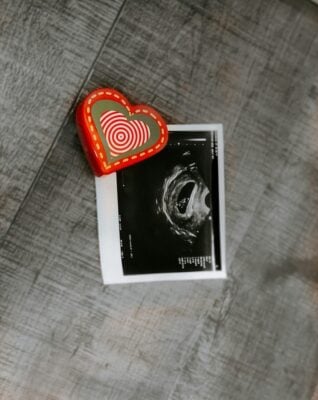
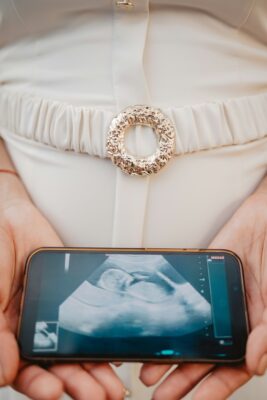
Keepsake ultrasound refers to non-diagnostic prenatal imaging performed for bonding, entertainment, and memory-making—not medical evaluation. These sessions take place in elective ultrasound studios, boutiques, or mobile scanning businesses and often include 3D/4D/HD imaging, gender reveals, heartbeat recordings, digital galleries, and real-time videos of the baby moving inside the womb.
Keepsake Ultrasound Focuses On:
- Bonding with baby
- Seeing baby’s face in 3D or HD Live
- Watching movements in 4D
- Early gender determination
- Recording heartbeat sounds
- Involving siblings and grandparents
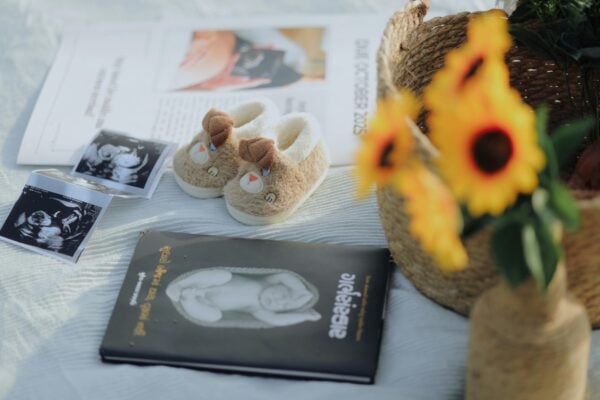
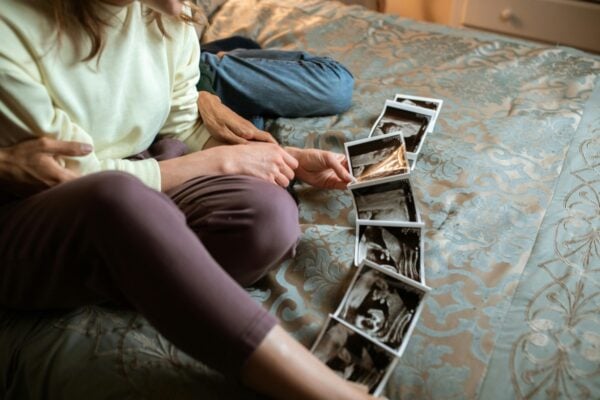
- Capturing beautiful images for memories
There are no measurements, no diagnoses, and no medical interpretations—just joy, connection, and imagery families will cherish.
How Keepsake Ultrasound Differs From Medical Ultrasound
While both medical and keepsake ultrasounds use the same technology (sound waves), they have entirely different purposes.
| Keepsake Ultrasound | Medical Ultrasound |
| Non-diagnostic | Diagnostic |
| For bonding & experience | For evaluation & measurement |
| Client scheduling | Physician-ordered |
| 3D, 4D & HD Live focus | 2D anatomy focus |
| Family-friendly experience | Private clinical setting |
Keepsake ultrasound exists to complement—not replace—regular prenatal medical care.
What You See in a Keepsake Session
Keepsake ultrasounds allow parents to visualize their baby in incredible detail. Thanks to advanced 3D/4D ultrasound machines, families can watch baby:
- Smile
- Yawn
- Suck fingers or toes
- Stretch or kick
- Rub their face
- Open their eyes
Parents often cry happy tears during sessions—they finally see what their baby looks like.
Types of Keepsake Ultrasounds
Most studios offer several session types throughout pregnancy.
1. Early Bonding Ultrasound (6–13 Weeks)
- Heartbeat detection
- Early movement
- 2D only
2. Early Gender Ultrasound (13–16 Weeks)
- Performed by trained elective sonographers
- Accurate gender determination
- Movement & full-body views
3. 3D/4D Ultrasound (20–34 Weeks)
- Facial features
- Real-time movements
- Family bonding
4. HD Live Ultrasound (28–34 Weeks)
- Most realistic images
- Lighting and shading effects
- Premium keepsakes
Why Families Love Keepsake Ultrasound
Keepsake ultrasound is more than an image—it’s an experience that creates deeper emotional connection.
Benefits Include:
- Enhanced bonding with baby
- Earlier relationship-building for siblings
- Stress relief and reassurance
- Memories shared with family and friends
- High-quality images for baby books and announcements
It also gives parents something tangible to hold onto during long stretches between medical scans.
Is Keepsake Ultrasound Safe?
Yes. When performed properly, keepsake ultrasound is considered very safe. It uses the same sound-wave technology as medical ultrasound and follows the same safety protocols.
Professional Studios Follow Guidelines Such As:
- ALARA (As Low As Reasonably Achievable)
- Short, focused scan times
- Safe machine presets for obstetric imaging
- No diagnostic interpretations
- Trained operators performing scans
Training providers like Ultrasound Trainers emphasize safety as part of their hands-on elective ultrasound training.
What Happens During a Keepsake Ultrasound Session?
Keepsake ultrasound experiences are designed to feel warm, joyful, and memorable. Here’s what parents can expect:
1. A Comfortable, Spa-Like Environment
Studios typically feature:
- Soft lighting
- Large TV screens
- Comfortable beds
- Seating for family and guests
- Music or heartbeat sounds
2. A Welcoming, Friendly Sonographer
Elective sonographers are trained to create an enjoyable experience—not a rushed medical exam.
3. Real-Time Ultrasound Imaging
Parents watch their baby move, pose, smile, or sleep. The experience feels magical.
4. Heartbeat or Gender (Optional)
Depending on gestational age, parents may choose gender or heartbeat add-ons.
5. Keepsake Images & Videos
Studios typically provide:
- Printed photos
- Digital galleries
- Video recordings
- Heartbeat animals
How to Prepare for a Keepsake Ultrasound
Preparation makes a big difference in image quality—especially in the second and third trimester.
Preparation Tips:
- Drink more water for 2–3 days before your appointment
- Eat a light snack 20–30 minutes beforehand
- Arrive with a full bladder (for earlier scans)
- Wear comfortable clothing
Hydration is the biggest factor—water increases amniotic fluid clarity, improving 3D/4D images.
Who Performs Keepsake Ultrasound?
Keepsake ultrasounds are performed by trained elective sonographers. In most states, medical licensure is not required for non-diagnostic scanning—but proper hands-on training is essential.
Training programs include:
- Machine use
- Probe control
- Safety guidelines
- 3D/4D/HD imaging skills
- Gender determination techniques
- Client experience training
This is exactly what Ultrasound Trainers teaches in their instructor-led training programs.
Keepsake Ultrasound for Studio Owners
If you’re learning how to open a 3D ultrasound studio, keepsake imaging will be your core service offering. Understanding keepsake ultrasound helps you build the right environment, pricing, and experience.
Successful Studios Focus On:
- Beautiful scan rooms
- High-quality 4D ultrasound machines
- Skilled technicians
- Welcoming family experience
- Clear expectations for parents
Studio success comes from mastering both imaging skills and customer experience.
Frequently Asked Questions
Yes—when performed by trained professionals using proper guidelines.
Can keepsake ultrasound detect abnormalities?
No. It is non-diagnostic and cannot replace medical prenatal care.
When is the best time for 3D/4D keepsake scans?
Most studios recommend 28–32 weeks for the best facial detail.
Do I need medical experience to perform keepsake ultrasounds?
No, but you must complete hands-on elective ultrasound training.
Where can I learn to perform keepsake ultrasounds?
Hands-on programs offered through Ultrasound Trainers are among the most trusted in the industry.
Final Thoughts: Keepsake Ultrasound Is Pure Magic
Keepsake ultrasound gives families something priceless—early memories of their baby’s personality, expressions, and movement. It’s a beautiful, emotional experience that builds connection long before birth.
For parents, it’s unforgettable. For studio owners, it’s the heart of a successful elective ultrasound business.
Join the Conversation
Have you had a keepsake ultrasound? Are you planning to start a studio? Share your experience below! And if this guide was helpful, feel free to share it with expecting parents or entrepreneurs.

Training Only vs Turnkey Ultrasound Business Package: Which Fits You?
Compare training only vs turnkey ultrasound business package options to see which path fits your[...]

How Sonographers Can Start Their Own Elective Ultrasound Studio
Sonographers have strong technical skills but often misunderstand what owning an elective studio requires. This[...]

Average Revenue of a 4D Ultrasound Business: A Complete Planning Reference
What's the average revenue of a 4D ultrasound business? This complete guide covers revenue variables,[...]

Best Portable 4D Ultrasound Machines for Elective Ultrasound Startups: What to Know
Considering a portable 4D ultrasound machine for your elective startup? This guide separates the myths[...]

Hands-On vs Online Elective Ultrasound Training: Which One Fits You?
Compare hands-on vs online elective ultrasound training for future studio owners. See what each format[...]

Why Your 3D 4D Ultrasound Images Look Blurry and How to Fix It
Struggling with blurry 3D 4D ultrasound images? This step-by-step guide covers the most common causes[...]
Who Can Legally Own an Elective Ultrasound Business? What the Rules Actually Say
The legal ownership question for elective ultrasound businesses is more open than most people assume.[...]
Starting an Elective Ultrasound Business Part-Time: A Realistic Guide
Starting an elective ultrasound business while keeping another income source is a smart approach for[...]

How to Finance an Elective Ultrasound Machine: A Step-by-Step Guide for Studio Owners
Learn exactly how to finance an elective ultrasound machine. This step-by-step guide covers loan types,[...]

Can a Med Spa Add Elective Ultrasound Services? What It Actually Takes
Med spas considering elective ultrasound as an add-on service need to understand training, equipment, compliance,[...]
Ultrasound Business Income Breakdown by Location and Pricing: What Changes Your Monthly Revenue
Ultrasound business income breakdown by location and pricing. See how market, packages, overhead, and positioning[...]
How Profitable Is a Keepsake Ultrasound Business? What Really Drives Profit
How profitable is a keepsake ultrasound business? See what affects revenue, margins, overhead, and long-term[...]
