

How to Start an Elective Ultrasound Studio With No Healthcare Background
The question that stops most career changers before they even start researching this seriously is: “Can I actually do this without any medical experience?” It’s a fair question, and it deserves a straight answer instead of a sales pitch or a vague reassurance that anyone can do it with enough passion.
So here it is: yes, people without healthcare backgrounds open elective ultrasound studios and run them successfully. That happens regularly. What it requires is not medical credentials. It requires specific hands-on training in elective scanning technique, genuine preparation on the business side, and a clear-eyed understanding of what elective ultrasound actually is and what it is not. If you go in with those three things in order, the absence of clinical background is not the obstacle it looks like from the outside.
The obstacle that actually matters is whether you treat the preparation seriously. The studios that struggle are not the ones owned by non-medical people. They are the ones owned by people who underestimated what the preparation required, regardless of their background.
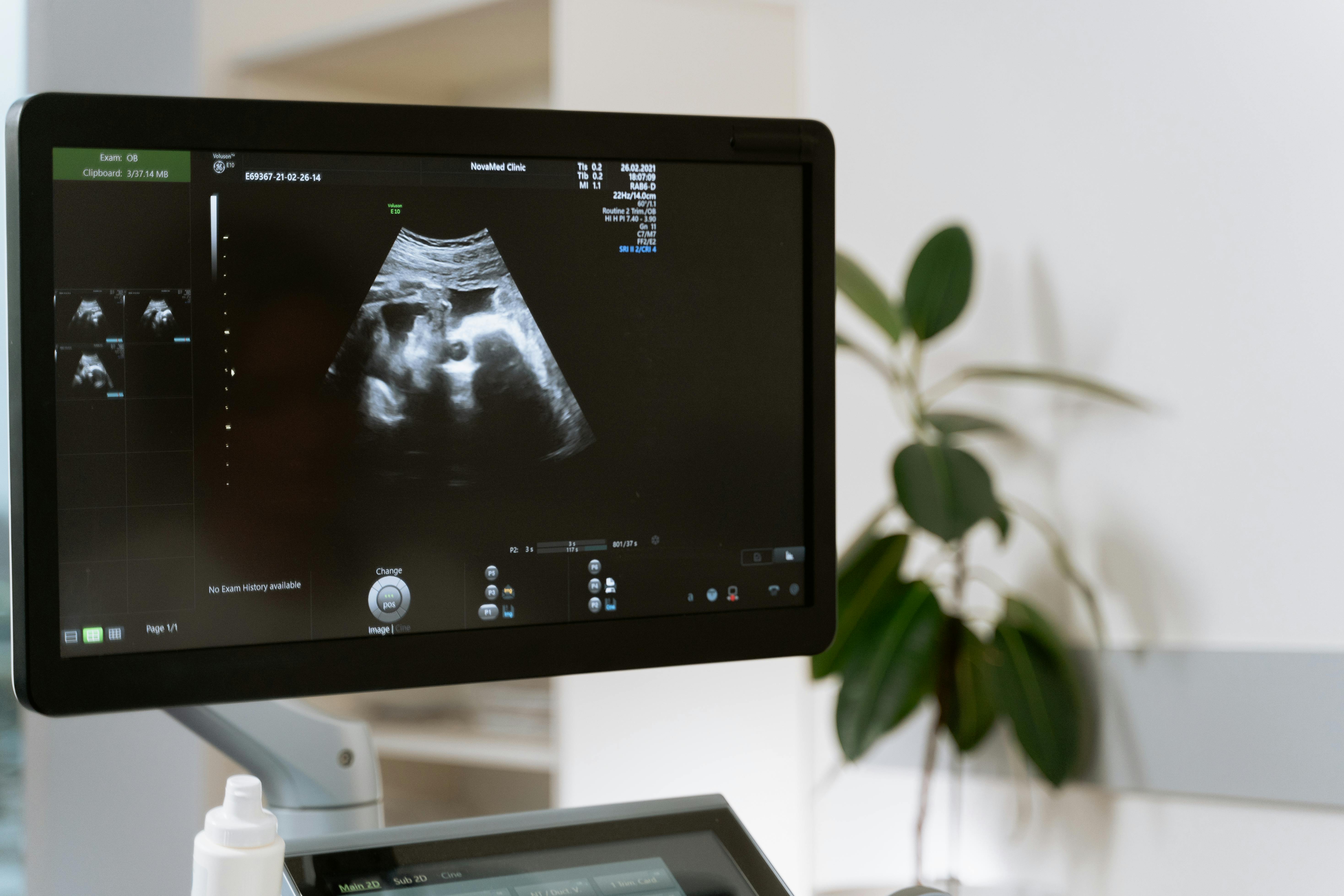
What Elective Ultrasound Actually Is, and Why That Changes the Requirements
Elective ultrasound is a bonding and keepsake service. Families book appointments to see their baby, capture 3D and 4D images, and share the experience with people they love. It is not a medical service. It does not diagnose conditions, evaluate clinical health, or replace prenatal care. Studios that offer it are required to make this clear to clients, and operating with that positioning consistently is central to running a compliant, honest business.
That distinction matters for the non-medical career changer because it defines what you are actually preparing to do. You are not preparing to be a diagnostic sonographer. You are preparing to deliver a warm, professional, technically excellent consumer experience built around 3D and 4D imaging. The skills required for that are real and take dedicated training to develop, but they are not the same skills required to practice clinical medicine. The learning curve is accessible to people without healthcare backgrounds, provided they take the training seriously and practice consistently before taking paying clients.
What the Training Actually Involves
Elective ultrasound training covers 3D and 4D scanning technique, image optimization for keepsake-quality results, 2D ultrasound fundamentals, early gender determination starting around 15 to 16 weeks, and how to manage a live session with real clients. It also covers how to handle common scanning challenges, such as a baby in an uncooperative position, without creating anxiety for the family watching the screen.
Ultrasound Trainers’ private hands-on training is conducted at your location over three days using your own equipment. That format matters for non-medical learners specifically because you are learning in your actual environment with your actual tools, not in a clinical setting that bears no resemblance to the consumer studio you are building. Real-client practice during training is essential. Simulation tools and training phantoms have a role in early skill-building, but the consistency of scan technique and client communication that paying clients will experience comes from working through real sessions with guidance present.
The question we hear most often from non-medical people who’ve just completed training is some version of: “Why didn’t I think this was learnable before?” The technical fundamentals are not what stops most people. It’s the assumption that a medical credential is the prerequisite for the skill. It is not.
The Legal Landscape for Non-Medical Studio Owners
Elective ultrasound is not classified as a medical service at the federal level, which means no federal medical license is required to own or operate an elective studio. Requirements vary by state, and some states have specific rules about elective ultrasound businesses that go beyond general business licensing. Checking what applies in your state with a local attorney before opening is the right first step, not because the legal situation is typically complicated for elective studios, but because knowing exactly what is required in your area is a foundational piece of planning that saves significant headaches later.
The most important compliance requirement for all elective studios, regardless of the owner’s background, is consistently positioning sessions as bonding and keepsake experiences that do not replace prenatal care or provide medical diagnoses. This is both accurate, it’s what elective ultrasound actually is, and legally important. Studios that blur this line, in marketing language, client communications, or social media posts, create risk for themselves that no clinical credential protects against.
What Non-Medical Owners Need More of, and Where They Actually Catch Up Fast
The honest gap for people without healthcare backgrounds is in initial comfort with fetal anatomy and physical examination context. Clinical professionals who enter elective ultrasound tend to have a shorter orientation period to the anatomy side of what they are seeing on screen. Non-medical owners typically need more deliberate study and practice on that specific piece before their scan technique is fully confident.
What non-medical owners often do better, counterintuitively, is the client experience side. People who haven’t spent years in clinical settings don’t carry the institutional habits of a medical environment. They often arrive with a more naturally consumer-oriented mindset about hospitality, experience design, and the emotional weight of the session for a family. Those instincts compound into reviews and referrals that are every bit as strong as those earned by clinical professionals who had to unlearn clinical formality in a consumer context.
“The training process levels the technical field more than most non-medical people expect. What it doesn’t give you is discipline on the business side and intentionality on the experience side. Those are the parts that the operators without clinical background need to build with the same deliberateness they brought to learning to scan.”
Startup Costs and What to Budget For
For a non-medical person starting from scratch, the two largest startup investments are training and equipment. Ultrasound Trainers’ private hands-on training is $10,000 for operators who already have equipment. The turnkey business package, which covers four days of training plus equipment, branding, website, marketing materials, and 36 months of ongoing support, ranges from $70,000 to $90,000. The right path depends on how much of the business setup you want handled as a single package versus built piece by piece.
Beyond training and equipment, budget for business formation, local licensing, insurance, studio setup, and initial marketing. Total startup costs vary significantly by market, location type, and how the business is structured. What doesn’t vary is the importance of not underestimating this side. Studios that open undercapitalized and then try to cut corners on equipment or training quality to save money tend to pay for it in poor early reviews that are difficult to recover from.
What the First Year Actually Looks Like
For a non-medical owner who has prepared well, the first year is about building local visibility, refining scan technique through volume, and learning what the market in your specific area responds to. Your first 20 to 30 sessions are the most instructive you will ever have. The packages that clients upgrade, the add-ons that sell themselves, the session timing that works, and the referral channels that drive real volume all become clear through actual operation in a way that no amount of pre-launch research fully replicates.
The biggest risk in the first year is not the scan technique. Most non-medical owners who’ve completed solid training reach a confident, consistent scanning standard faster than they expected. The risk is the business side: inconsistent marketing, pricing that undervalues the experience, and an underdeveloped review generation process that leaves client satisfaction on the table. Treating the business side with the same seriousness as the technical training, both before and after opening, is what produces a first year that sets the studio up to grow.
People Also Ask
Can you open an elective ultrasound studio without any medical training?
Yes. Elective ultrasound is not classified as a medical service, and a medical degree or clinical credential is not required to own or operate a studio in most states. What is required is specific hands-on elective ultrasound training, appropriate business licensing, and consistent compliance with the service’s elective (non-diagnostic) positioning. Non-medical owners who complete quality training and prepare the business side thoroughly operate on equal footing with clinically credentialed operators in most markets.
How long does it take to learn elective ultrasound without a clinical background?
A three to four day intensive hands-on training program is the standard preparation path. Reaching a confident, consistent scanning standard typically takes additional practice through real sessions after training, often over the first month or two of actual operation. The learning curve for non-medical learners is slightly longer on the anatomy side and typically shorter on the consumer experience and client communication side. Most well-trained non-medical operators are producing good, consistent results within the first month of taking paying clients.
What are the legal requirements for a non-medical person opening an elective ultrasound studio?
Requirements vary by state. In most states, standard business licensing, appropriate client disclosures establishing the service’s elective (non-diagnostic) positioning, and compliance with applicable local regulations are the foundational legal requirements. A medical license is generally not required for elective studio ownership. Some states have specific regulations for elective ultrasound businesses beyond general business licensing. Confirming what applies in your state with a local business attorney before opening is strongly recommended.
Is elective ultrasound training hard to learn without a clinical background?
The technical learning curve is steeper than people with anatomy experience might face, but it is entirely manageable with dedicated hands-on training and real-client practice. The core challenge for non-medical learners is building familiarity with fetal anatomy and transducer positioning from a standing start rather than with existing clinical context. Quality training programs address this directly. People without clinical backgrounds who take the training seriously and practice consistently typically reach a competent, confident standard within a manageable timeframe.
What do non-medical elective ultrasound studio owners typically struggle with most?
Initial anatomy orientation and transducer confidence are the most common early technical challenges. On the business side, pricing confidence is the most frequent gap. Non-medical owners often come from contexts where service pricing is more modest and tend to underprice the elective ultrasound experience relative to its market value. Understanding that you are delivering a premium consumer experience and pricing accordingly from day one is one of the highest-impact decisions a new non-medical studio owner makes.
Can someone with no background in healthcare get good results from elective ultrasound training?
Yes, regularly. The distinguishing factor is not prior healthcare experience. It is commitment to the training process, real-client practice, and business preparation before opening. Non-medical owners who complete quality hands-on training, practice consistently, and build the business foundations deliberately produce studios that compete effectively in their markets regardless of the absence of clinical credentials in their background.
Ready to Understand What the Path Looks Like for You?
If you are considering elective ultrasound training and want to understand what the process involves from a complete beginner starting point, contact Ultrasound Trainers to talk through training options, startup planning, and what a realistic timeline looks like for your situation. We work with non-medical career changers at every stage of this process.
Ultrasound Trainers provides hands-on elective ultrasound training, business startup consulting, and equipment support to people entering the elective ultrasound industry across the United States. Our clients include career changers, entrepreneurs, photographers, doulas, and healthcare professionals. We work with non-medical owners at every stage of training and startup planning.
Buy Your Ultrasound Machine Before or After Training? A Smart Decision Guide
Buy your ultrasound machine before or after training? Compare both paths, avoid expensive timing mistakes,[...]
Starting an Elective Ultrasound Business in California: What the Market Really Looks Like
Starting an elective ultrasound business in California means entering one of the highest-demand markets in[...]

How to Start an Elective Ultrasound Studio With No Healthcare Background
No medical degree or clinical experience? You can still build a successful elective ultrasound studio.[...]
12 Mistakes to Avoid When You Open a 4D Ultrasound Business
Open a 4D ultrasound business with fewer setbacks. Avoid the most common startup mistakes in[...]

Ultrasound Business Income by Location and Pricing: What to Expect in Your Market
Ultrasound business income varies widely by location and pricing structure. Here's how to estimate what[...]

Open an Elective Ultrasound Studio: A 90-Day Launch Timeline
Open an elective ultrasound studio with a practical 90-day timeline covering planning, training, equipment, setup,[...]

Cost to Open an Elective Ultrasound Business: What to Plan For
Open an elective ultrasound business with a clearer cost plan. See the main startup expenses,[...]

Training Only vs Turnkey Ultrasound Business Package: Which Fits You?
Compare training only vs turnkey ultrasound business package options to see which path fits your[...]

How Sonographers Can Start Their Own Elective Ultrasound Studio
Sonographers have strong technical skills but often misunderstand what owning an elective studio requires. This[...]
Average Revenue of a 4D Ultrasound Business: A Complete Planning Reference
What's the average revenue of a 4D ultrasound business? This complete guide covers revenue variables,[...]

Best Portable 4D Ultrasound Machines for Elective Ultrasound Startups: What to Know
Considering a portable 4D ultrasound machine for your elective startup? This guide separates the myths[...]
Hands-On vs Online Elective Ultrasound Training: Which One Fits You?
Compare hands-on vs online elective ultrasound training for future studio owners. See what each format[...]
