
How to Start a 3D 4D Elective Ultrasound Business: Complete Reference Guide
- What an Elective Ultrasound Business Actually Is
- Who Starts These Businesses
- Legal and Regulatory Research
- Training Options and What They Include
- Equipment Selection
- Studio Setup and Space Planning
- Pricing and Service Packages
- Marketing Your New Studio
- Business Structure and Operations
- Common Startup Mistakes to Avoid
- Costs Overview
- Frequently Asked Questions
Starting a 3D 4D elective ultrasound business is one of the more involved service business startups — not because it is unusually complex, but because it requires competence in both a technical skill (scanning) and a business skill set (marketing, client experience, operations) that most people do not arrive at the starting line with equally developed. The studios that open well and grow quickly are almost always the ones that treated both sides of the preparation with equal seriousness.
This guide is designed to be a reference you return to as you move through each phase of planning and preparation. It does not oversimplify the process or make it sound effortless. It gives you an accurate map of what is involved so you can approach it with clear expectations and a realistic plan.

What an Elective Ultrasound Business Actually Is
The Core Service
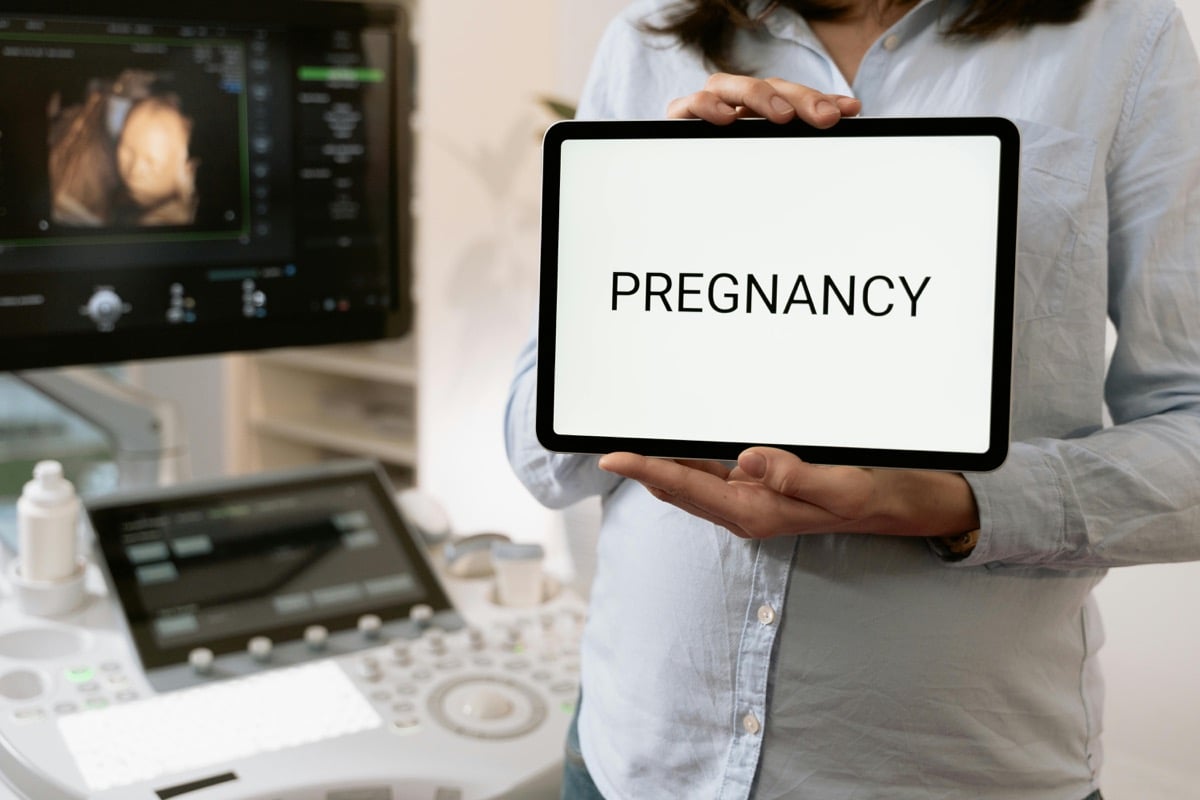
An elective ultrasound studio offers keepsake and bonding ultrasound experiences for expectant families. Sessions typically include 3D, 4D, and HD imaging of the fetus, early gender determination, heartbeat recordings, and printed or digital image packages. The experience is designed around the emotional significance of seeing the baby before birth — not around medical evaluation or diagnosis.
How It Differs From Medical Ultrasound
Elective ultrasound is not a medical service and should not be presented as one. Elective studios do not perform anatomy scans, do not diagnose fetal conditions, and do not replace routine prenatal care. The positioning is consistently around bonding, keepsake, and family experience. This distinction is important legally, operationally, and from a client communication standpoint. Every piece of content, signage, and verbal framing in the studio should reinforce this positioning clearly.
The Business Model
Elective ultrasound studios generate revenue through session packages priced for different durations, imaging formats, and add-ons. Typical packages include gender reveal sessions, full bonding scans with HD imaging, heartbeat animal recordings, and premium image packages. Studios can operate as standalone businesses, as additions to existing practices, or as mobile services depending on the operator’s goals and market.
Who Starts These Businesses
Common Backgrounds
The people entering the elective ultrasound industry come from a wide range of backgrounds. Career changers with no medical experience represent a large portion of new studio owners, drawn by the business opportunity and the appeal of a client experience-focused service. Healthcare professionals — nurses, medical assistants, sonographers — bring clinical familiarity and add the business layer through training. Photographers and doulas already working with pregnant clients add elective ultrasound as a premium revenue stream. Entrepreneurs evaluate it as a business investment and often hire trained staff rather than operating themselves.
What They Share
What successful studio owners share is not a background in imaging — it is a commitment to both the technical and business preparation. The scanning skill is learnable. The business systems are buildable. But neither happens automatically, and neither substitutes for the other. The most common pattern among studios that struggle early is emphasizing one side of the preparation at the expense of the other.
Legal and Regulatory Research
Why This Step Comes First
Before investing in training or equipment, understanding whether and how an elective ultrasound studio can operate in your state is essential. Requirements vary by state, and in some cases by county or municipality. Some states have explicit guidance on elective ultrasound operations. Others have no specific regulation addressing it. A few have language that creates complexity depending on how the business is structured or positioned.
What to Research
Key questions to address in your research include whether your state has specific statutes or regulations addressing elective ultrasound, whether any credential or affiliation with a licensed medical professional is required or helpful, what business entity structure is appropriate, and whether any local zoning or health department registration applies to your intended location.
Training Options and What They Include
Private On-Site Training
Private on-site training brings an instructor to your location to train you and your staff on your own equipment over a multi-day program. Ultrasound Trainers offers a three-day private training program at $10,000 that covers machine operation, image optimization, early gender determination at 15 to 16 weeks, 2D technique, identification of common presentations, and advanced 3D and 4D scanning. Training is conducted using real clients and training phantoms.
Turnkey Business Training
Turnkey programs combine technical training with complete business setup support. The Ultrasound Trainers turnkey package runs four days and ranges from $70,000 to $90,000. It includes training on ultrasound operation and business management, initial setup support, custom logo and website creation, print and social media marketing materials, equipment (including the ultrasound machine, TV or projector, computer, and supplies), and 36 months of ongoing business and technical support. No royalties or franchise fees apply.
What to Look for in Any Training Program
The core questions to ask before committing to any training program are: does training include real-client scanning practice, does it cover business education alongside technique, is it conducted on the equipment you will use, what post-training support is included, and what specifically is covered in the curriculum. Programs that answer these questions clearly and specifically are worth evaluating. Programs that are vague on curriculum details, do not include real-client practice, or separate scanning and business entirely warrant more scrutiny before enrolling.
Equipment Selection
Key Considerations
The ultrasound machine is the centerpiece of the business, and selecting it deserves careful evaluation rather than a fast decision. The most important factors are image quality in 3D and HD rendering modes, the service and support structure behind the machine, compatibility with your training path, the warranty and maintenance implications, and the total cost including financing if applicable.
New vs. Refurbished
New machines come with full manufacturer warranties, current software versions, and a clean service history. Refurbished machines offer a lower entry cost but may have limited warranty coverage, older software, and a service history that is difficult to fully evaluate. The right choice depends on budget, how important warranty protection is to your operation, and whether the machine selected is available in a refurbished condition that has been properly certified and serviced. Ultrasound Trainers sells ultrasound equipment and can help evaluate options based on your specific business goals and budget.
Machine Compatibility With Your Services
Not every machine is optimized for elective ultrasound. The imaging modes, probe options, and HD rendering capabilities that define the keepsake imaging experience vary significantly by machine. Evaluating a machine specifically for elective studio use — rather than for general ultrasound applications — matters for ensuring the equipment delivers the image quality your clients will expect.
Studio Setup and Space Planning
Physical Space Requirements
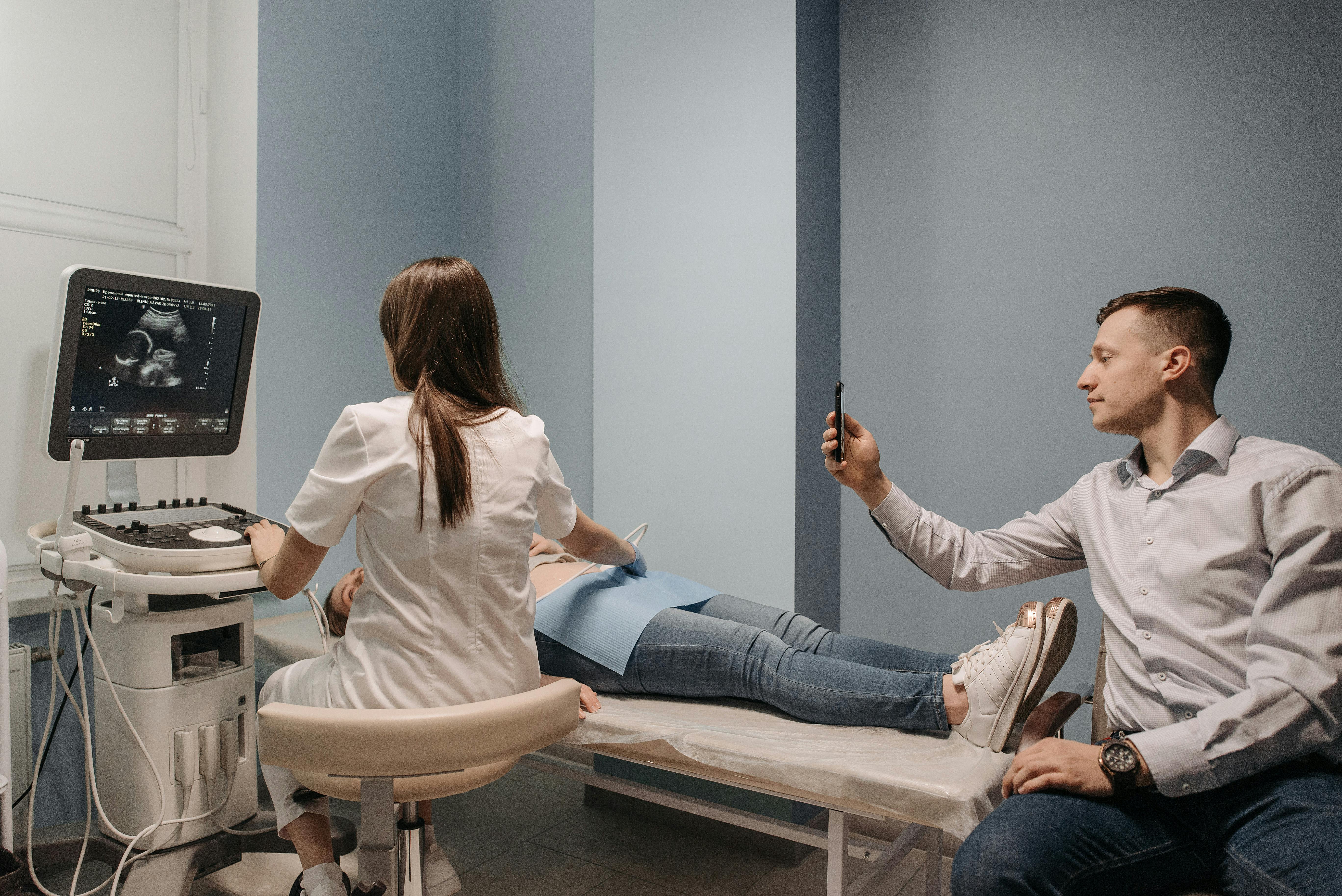
An elective ultrasound studio does not require a large footprint. A well-designed session room with an exam table, the ultrasound machine, a monitor or projection screen visible to clients and their guests, comfortable seating for family members, and appropriate lighting creates a functional and welcoming experience without requiring significant square footage. Many studios operate in 200 to 400 square feet per session room.
Atmosphere and Client Experience
The atmosphere of the studio matters significantly for client satisfaction and referrals. Elective ultrasound clients are making a memory — the feel of the space, the quality of the experience, and the warmth of the operator all contribute to whether they book again, bring others, and leave reviews. Studio design that feels warm, clean, and boutique-quality rather than clinical or sterile consistently performs better in client feedback.
Technology Setup
The technology setup beyond the ultrasound machine includes a monitor or projector for displaying images to clients and their guests, a recording and image transfer system, a computer for managing bookings and session data, and optionally a streaming setup for clients who want to share the session remotely. The turnkey package from Ultrasound Trainers includes all primary equipment components as part of the setup.
Pricing and Service Packages
Common Package Structures
Elective ultrasound studios typically offer tiered packages by session duration, image format, and add-ons. A basic package might include a short 2D gender reveal session at a lower price point. Mid-tier packages add 3D and 4D imaging, longer session time, and a digital image package. Premium packages include HD imaging, extended session time, heartbeat recordings, printed materials, and specialty add-ons. This tiered structure serves different budget levels while naturally encouraging upgrades.
Pricing Strategy
Pricing should reflect your market’s expectations, the quality of the experience you deliver, your equipment and overhead costs, and the competitive landscape in your area. Pricing too low creates a perception of lower quality and limits the revenue needed to sustain and grow the business. Pricing at a level that reflects the premium, emotional nature of the service is both more sustainable and more aligned with how clients perceive value in this category.
Marketing Your New Studio
Pre-Opening Preparation
Marketing preparation should begin before the studio opens. Building a Google Business Profile, establishing social media accounts, creating a website with clear service descriptions and booking capability, and connecting with local OB-GYN offices, midwives, doulas, and photographers are all activities that can generate awareness before the opening day. Studios that arrive at their launch with some online presence and a warm referral network book their first clients faster than those that start marketing from zero after opening.
Local SEO and Online Visibility
Most elective ultrasound clients are searching locally — they are looking for a studio near their home or their OB-GYN’s office. Building local search visibility through a well-optimized Google Business Profile, location-specific website content, and consistently accumulating genuine client reviews positions your studio to appear when those local searches happen. This is a longer-term strategy that builds over months, which is why starting it early matters.
Social Media for Elective Ultrasound Studios
Instagram and TikTok are the highest-opportunity platforms for elective ultrasound studios. Fetal ultrasound images, gender reveal moments, and heartbeat recordings perform well as social content because they are genuinely emotional and shareable. A consistent posting schedule that showcases the experience — not just the images — builds an audience of expectant parents in your local market. Sharing the studio atmosphere, the process, and the family reactions produces more engagement than image posts alone.
Business Structure and Operations
Business Entity and Registration
Most elective ultrasound studios operate as limited liability companies. Consulting with a local business attorney or accountant before establishing the entity and before making major financial commitments is recommended. Business bank accounts, a bookkeeping system, and an understanding of the tax implications of the business should be in place before the first revenue is generated.
Booking and Client Management Systems
An online booking system that allows clients to schedule, prepay, and receive confirmation without requiring a phone call significantly reduces administrative burden and converts more inquiries into booked sessions. Integrating this with a client communication system for appointment reminders, follow-up requests for reviews, and re-engagement for return visits multiplies the revenue impact of each client contact.
Common Startup Mistakes to Avoid
Underestimating the marketing investment required to generate consistent bookings in the first three to six months leads studios to underfund their launch and then misattribute the slow start to the wrong causes. Marketing is not optional and does not produce results immediately — it needs to start early and be sustained.
Buying equipment based on price alone without evaluating service support, software capability, and compatibility with the services you plan to offer creates problems that surface once the studio is open and clients have expectations. Equipment evaluation should include a conversation about the full support structure, not just the purchase price.
Choosing scan-only training that does not include business education produces a technically capable operator who is not prepared to run the business side of the studio. The technical skill is necessary but not sufficient on its own. Business preparation is an equal priority.
Costs Overview
| Cost Category | Approximate Range | Notes |
|---|---|---|
| Private scan training only | ~$10,000 | On-site, 3 days, uses your equipment |
| Turnkey package (training + equipment + business setup) | $70,000 to $90,000 | 4 days, includes equipment, branding, website, 36 months support |
| Studio space setup (leasehold improvements, furniture, decor) | Varies widely | Depends on condition of space and market |
| Pre-opening marketing | $1,000 to $5,000+ | Social media, Google Ads, printed materials, website |
| Operating reserve (first 3 to 6 months) | Varies by overhead | Plan for a ramp-up period before consistent revenue |
Quick Reference Summary
- Research your state’s specific requirements for elective ultrasound operation before committing to training or equipment
- Choose a training program that includes real-client scanning and business education, not technique only
- Evaluate equipment based on elective-specific imaging capability, service support, and compatibility with your training path
- Design the studio atmosphere around a premium, warm client experience — not a clinical feel
- Build pricing and packages that reflect the emotional value and premium nature of the service
- Start marketing before the studio opens — referral relationships, social presence, and Google Business Profile all benefit from lead time
- Plan financially for a ramp-up period before reaching consistent booking volume
- Treat the business systems as seriously as the scanning skill — both determine the studio’s success
People Also Ask
How long does it take to open an elective ultrasound business from the start of planning?
Timeline varies significantly by how much preparation work happens in parallel and how ready the physical space is. Some studios open within two to three months of starting the process with a turnkey package that handles multiple components simultaneously. Others take six months or more when planning each element independently. Starting the regulatory research, training enrollment, equipment evaluation, and business setup in parallel rather than sequentially compresses the timeline considerably.
Do I need to hire staff, or can I run the studio alone?
Many elective ultrasound studios begin as sole-operator businesses, with the owner performing scans and managing all operations. As volume grows, adding a front-of-house person who handles client check-in, payment, and the beginning and end of the session frees the operator to focus entirely on the scan. Some entrepreneurs build from the start with trained staff performing the scans, positioning themselves in an owner-operator management role. Both models work — the right choice depends on your goals, budget, and personal preference.
Can I start an elective ultrasound business from home?
Some operators launch home-based studios, particularly in markets where local zoning and state requirements allow it. Home-based studios reduce overhead but may face limitations in professional atmosphere, client comfort, zoning compliance, and the impression conveyed to potential referral partners. The viability of a home studio depends heavily on your local regulatory environment and your target market’s expectations. Researching local zoning and professional appearance implications before committing to this model is recommended.
What is the most important thing to get right before opening?
Scanning quality and client experience design are the two highest-impact elements of the opening period. Clients who have a technically excellent scan in a warm, professional environment become the referrers and repeat clients that sustain the business. Clients who have a mediocre experience do not return and do not recommend. Getting both the technical quality and the client experience right from the first week produces a much better trajectory than fixing them after early reviews have established a mixed reputation.
How much can an elective ultrasound studio make?
Revenue potential in elective ultrasound depends on pricing, session volume, service mix, operating hours, and market demand. Studios that are well-priced, well-marketed, and consistently deliver a strong client experience in markets with reasonable demand for elective ultrasound can generate meaningful annual revenue. Specific projections depend on your local market, your pricing, and your volume — which is why evaluating local competition and demand before investing is an important part of the research phase. We do not make specific income claims, but profitability depends on operations, training, marketing, local demand, and service mix.
What is the difference between starting independently versus using a turnkey service?
Starting independently means sourcing each component of the business separately: training from one provider, equipment from another, branding and website from a designer, and business guidance from yet another source. This approach can reduce total cost if each component is sourced efficiently, but it requires significantly more coordination and leaves more gaps between components. A turnkey package coordinates all of these elements under one program with integrated support, which reduces gaps but at a higher combined cost. The right choice depends on your budget, your comfort with independent coordination, and how much integrated support matters to your specific situation.
Is elective ultrasound a competitive market?
Competition varies by market. Some cities and suburban areas have multiple established elective ultrasound studios. Others have no direct competitors at all. Researching your local competitive landscape before committing to the investment — looking at existing studios, their pricing, their online presence, and their review volume — gives you a realistic picture of the market you are entering. Strong competition is not necessarily a disqualifier, but entering a saturated market requires a stronger differentiation strategy than entering a market where demand is unmet.
What ongoing support is available after the business opens?
The level of post-opening support varies by training and startup package. The Ultrasound Trainers turnkey package includes 36 months of ongoing support for both business and technical questions. Private training includes follow-up support as part of the program. Ongoing support helps new studio owners work through the challenges that arise after training ends — image quality questions, difficult client situations, marketing challenges, and business decisions that come up in the first year of operation. Understanding exactly what post-opening support is included before committing to a program is one of the most important questions to ask during your evaluation process.
Ready to Plan Your Studio?
If you are researching how to start a 3D 4D elective ultrasound business and want to understand what the training, equipment, and launch support actually look like, contact Ultrasound Trainers. We work with people at every stage of this decision — from early research to ready to launch — and can help you understand what your specific situation actually calls for.
Ultrasound Trainers provides elective ultrasound training, turnkey business startup packages, and equipment for people starting and growing keepsake ultrasound studios. Training is hands-on, conducted at your location, and includes both technical scanning education and business preparation. Learn more about the studio startup program.
Last Updated: March 2026

Elective Ultrasound Gender Determination Training: What You Need to Know
Elective ultrasound gender determination training opens one of the most popular service categories for studio[...]

How Long Does It Actually Take to Open an Elective Ultrasound Studio
Wondering about the elective ultrasound studio opening timeline? Most studios see their first clients in[...]

Elective Ultrasound Training Courses in San Jose: What the Path Really Looks Like
Elective ultrasound training courses in San Jose make sense for birth professionals and entrepreneurs in[...]

Social Media Strategy for Elective Ultrasound Studios: Your Questions Answered
A practical social media strategy for your elective ultrasound studio starts with knowing which platforms[...]

What a Turnkey Elective Ultrasound Business Package Actually Includes
A turnkey elective ultrasound business package covers training, equipment, branding, and support in one structured[...]

How to Build a 5-Star Reputation for Your Elective Ultrasound Studio
Your studio's reputation is your most powerful marketing asset. Here is how to build it[...]

Elective Ultrasound Studio Marketing in New York City: A Practical Local Strategy
Elective ultrasound studio marketing in New York City works best with neighbourhood targeting, reviews, and[...]

Starting an Elective Ultrasound Business in Ohio: What New Owners Should Know
Starting an elective ultrasound business in Ohio takes more than buying equipment. See market fit,[...]

How to Get OB-GYN Referrals for Your Elective Ultrasound Studio
OB-GYN referrals can be the most valuable client source for an elective ultrasound studio. Here[...]

How to Rank Your Elective Ultrasound Business on Google: Local SEO vs. Organic SEO
Not sure whether to focus on local SEO or organic SEO for your ultrasound studio?[...]

Elective Ultrasound Training in Columbus, Ohio: A Practical Path for Beginners
Elective ultrasound training in Columbus, Ohio should match the city’s growth, suburb reach, and business[...]

Can You Really Launch an Elective Ultrasound Business in 90 Days?
Thinking about launching an elective ultrasound business in 90 days? Here's what that timeline actually[...]
