

How to Open a 3D Ultrasound Studio Step by Step to Booked Out
Opening a keepsake studio sounds simple on paper. Find a space, buy a machine, post on social media, and wait for bookings. But if you have talked to real studio owners, you already know the truth. The studios that get traction fast do not rely on hope. They rely on a repeatable system that connects equipment, training, customer experience, and marketing into one smooth launch.
This guide is built for the person who is serious about Starting an Ultrasound Business and wants the clearest path on How to Open a 3D Ultrasound Studio without wasting money or time. We will walk through the full process from idea to a calendar that stays consistently full. Not only what to do, but why it matters, how it works in real life, and what usually goes wrong when people skip steps.
Along the way, we will weave in the realities of a 3D/4D Ultrasound Business, how to evaluate a 4D Ultrasound Machine, what Elective Ultrasound Training should really include, and the Ultrasound Business Marketing Tips that move the needle when you are new. We will also reference Ultrasound Trainers because many owners want a single partner to connect equipment, training, and launch strategy into one cohesive plan.
Quick promise before we start
By the end, you will have a clear step by step checklist you can follow to build a professional elective studio experience, choose the right equipment, create operational consistency, and launch marketing that leads to bookings.
Step 1 Clarify your studio concept so every decision becomes easier
The fastest way to overspend is to start shopping before you know what you are building. A successful Elective Ultrasound Business starts with clarity. What experience are you selling, and who is it for? When a family books a Keepsake Baby Ultrasound, they are not buying a medical service. They are buying an emotional moment. That means your studio concept should focus on comfort, confidence, and a predictable wow factor.
There are usually two concept directions. The first is a simple, efficient studio that runs a clean schedule and serves high volume with clear packages. The second is a premium experience studio where the room, lighting, big screen viewing, and product add ons turn the session into an event. Either model can work. What matters is choosing one on purpose, because equipment choices, buildout, staffing, and marketing messaging will follow that concept.
Ask yourself a few grounding questions. Do you want a one room setup at first, or are you planning for two rooms later? Are you offering early gender sessions, or focusing on later bonding sessions with strong 3D 4D imagery? Will you offer tangible keepsakes like prints and recordings, or keep deliverables digital? The goal is not to lock yourself into a rigid plan. The goal is to avoid drifting, because drifting causes expensive change orders later.
A helpful exercise is to write one sentence that defines your studio promise. For example, something like: a calm, family friendly studio experience that delivers consistent 3D and 4D imagery with a clear booking process and beautiful keepsakes. When you have that promise, you can evaluate every purchase and every marketing idea with one simple question. Does this support the promise, or distract from it?
Create your initial service menu and pricing shape
Your menu is your revenue engine and your workflow engine at the same time. If your menu is confusing, customers hesitate, bookings slow down, and staff spends time explaining instead of serving. If your menu is too complicated, you create scheduling issues and inconsistent session outcomes. Start with three to five core packages and make them easy to compare.
A practical approach is a tiered structure. A base session for quick bonding, a mid tier session for a more complete experience, and a premium session for the full experience with more time and more deliverables. Then use add ons for prints, recordings, and upgrades. This structure protects your margins because people self select into the experience level they want.
When you build this, do not guess. Model capacity. If your average session is 30 minutes plus room reset, you can estimate a realistic daily appointment count. That makes it possible to forecast revenue and determine the Cost of Starting an Ultrasound Business you can support.
Keep an internal link idea in mind here. If you have a related post about package pricing or studio systems, this is a great spot to link it, such as Pricing Packages for a 3D 4D Ultrasound Business.
Step 2 Choose the right equipment and avoid the most common buying mistakes
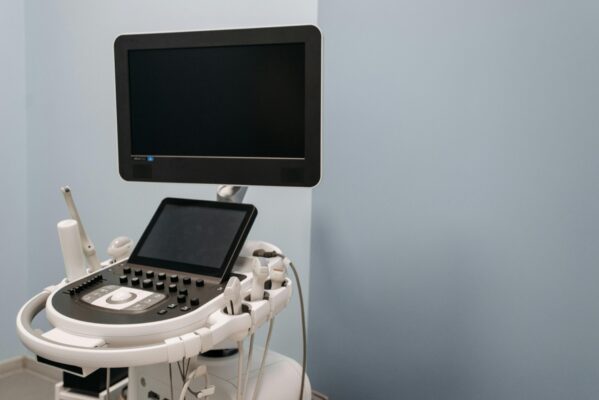
Equipment decisions can feel overwhelming because a 4D Ultrasound Machine is not a casual purchase. But you can simplify this by focusing on outcomes, not hype. The goal is consistent image quality, reliable uptime, and a workflow that fits your session timing. In other words, you are not just buying a machine. You are buying the ability to deliver a predictable customer experience day after day.
If you are planning to Buy Elective Ultrasound Machine equipment, start by defining what success looks like for your studio concept. For example, if your studio promise is premium 3D 4D imagery, you need strong volume imaging capability, a probe set that supports your typical scanning approach, and software features that make rendering consistent. If your concept is more streamlined, you still need quality, but you may prioritize speed and simplicity.
The most common mistake is buying based on a single demo image. Demo images are often best case scenarios. Real life is not always best case. Your studio needs to perform consistently across real world conditions. That is why training and technique matter so much. A good machine plus weak technique can still produce weak results, while strong technique can make a good machine look great.
Do not forget the total cost of ownership. Warranty, service plan, probe coverage, and downtime expectations matter. A lower upfront price can become more expensive if you lose bookings due to downtime or lack of support. Uptime is profit.
What to look for in a 4D ultrasound machine for keepsake studios
For keepsake and bonding sessions, customers respond to clarity, facial features, and lifelike rendering. That points you toward systems with strong 3D 4D volume rendering, dependable frame rates, and consistent performance. But there is another layer that matters just as much. Workflow. If it takes too long to capture and render a satisfying image, your session timing breaks down, and stress increases for everyone.
Ask about features that support speed and consistency. Volume acquisition tools, rendering modes, and settings that help reduce noise and improve surface definition can matter. Also consider the room setup. A large display for families and a comfortable viewing angle can increase satisfaction without adding much complexity.
You also need a clear plan for image delivery. Will you provide digital downloads through a secure system, prints, recordings, or a mix? The more friction you remove, the happier customers are. This becomes part of your marketing because people love sharing keepsakes.
If you want a credible baseline on ultrasound safety principles and responsible use, it is worth reviewing authoritative guidance from the FDA and professional organizations. These pages provide useful context for how ultrasound works and why responsible practices matter: FDA ultrasound imaging overview and AIUM guidelines and resources.
Step 3 Build your operational system before you open the doors
Here is a truth that surprises new owners. The fastest way to earn consistent reviews is not just great images. It is a smooth experience. When the booking flow is clear, reminders reduce no shows, the studio feels calm, and sessions run on time, customers trust you. That trust becomes word of mouth.
Operational readiness includes booking, intake, consent language, payment flow, session scripting, room reset routines, and post visit delivery. If you build this ahead of time, launch is calmer. If you do not, launch turns into constant improvisation, and improvisation is exhausting.
A simple system can be surprisingly powerful. Start with a clean online booking page, automated confirmation, automated reminders, and clear policies about rescheduling. Then build a standard session structure so every customer receives the same high quality experience. Consistency is the engine of a strong Elective Ultrasound Business.
One practical internal link to add here is a post about systems, such as Ultrasound Studio Systems Booking Waivers Scripts and Upsells.
Your studio checklist of must have systems
- Booking flow with clear package descriptions and simple time selection
- Automated reminders to reduce no shows and last minute confusion
- Intake and consent process that sets expectations clearly and professionally
- Session script so staff knows exactly how to guide the experience
- Room reset routine for consistent cleanliness and on time sessions
- Image delivery workflow that is fast and reliable
- Review request process that feels natural and ethical
Notice that most of these have nothing to do with the ultrasound machine itself. That is the point. Your customers feel the process. The process creates confidence. Confidence creates reviews. Reviews create bookings.
Step 4 Get the right training so your results are consistent
If you only take one idea from this guide, let it be this. In a keepsake studio, training is not optional. It is not a nice extra. It is what makes the business predictable. Great images do not happen by accident. They happen because the person scanning understands technique, positioning, timing, and how to handle common challenges calmly.
Elective Ultrasound Training should include more than technical scanning. It should cover how to run a session smoothly, how to communicate with families, how to set expectations, and how to protect the experience when conditions are not ideal. It should also cover workflow, image selection, and how to guide the room so the session feels special without feeling chaotic.
This is where Ultrasound Business Training Programs can shorten the learning curve dramatically. The difference between a studio that struggles and a studio that gets momentum is often training plus systems. When you combine technique with scripts, you reduce inconsistency. When you reduce inconsistency, you increase satisfaction.
Ultrasound Trainers is commonly referenced by studio owners who want a connected approach that links equipment selection, elective scanning workflows, customer experience scripting, and launch planning. That combination is powerful because it prevents the most common mismatch: a studio buys strong equipment but lacks a consistent method for getting strong results quickly.
What great training looks like in real life
Great training feels practical. It should help you answer questions like: how do I handle an energetic baby, how do I maximize face visibility, how do I manage time when conditions are challenging, and how do I communicate in a way that keeps families excited without making promises you cannot guarantee. That last piece matters. Clear expectations prevent disappointment.
Great training also includes repeatable session structure. A consistent opening, a consistent mid session flow, and a consistent closing that includes deliverables and the review request. When staff follows a structure, sessions feel smooth and professional. Smooth and professional is what customers talk about.
Finally, great training should connect to business reality. How much time per session is realistic? What add ons feel natural? How should you price upgrades? How should your team respond to common objections? This is why business training programs matter. Scanning skill alone does not build a booked calendar. Systems do.
Step 5 Build your studio space to support comfort and conversions
Your studio environment does two jobs at once. It supports the technical work of scanning, and it supports the emotional experience of the customer. Lighting, seating, screen visibility, cleanliness, and sound all matter. The goal is calm. When customers feel calm, they are more present. When they are more present, they enjoy the moment more. When they enjoy the moment more, they leave reviews and share.
A good rule is to design your room like a comfortable viewing room rather than a sterile medical environment. That does not mean messy or unprofessional. It means warm, clean, and intentional. Families should know exactly where to sit, where to look, and what to expect.
Also build for efficiency. You need a clear reset routine between appointments. If resets take too long, you run behind. When you run behind, stress rises. When stress rises, performance drops. The right room design is not about spending more. It is about spending smart.
Studio atmosphere upgrades that feel premium without huge costs
You do not need expensive renovations to feel premium. Small touches can do a lot. Comfortable seating, a tidy refresh station, clear signage that reduces confusion, and lighting that flatters photos and video can elevate the experience quickly. Think about what customers will remember, and what will show up in social shares.
Another underrated upgrade is sound. A quiet room with soft background audio can reduce awkwardness and help families relax. Also consider privacy. Even in a small space, privacy cues help customers feel safe and respected.
Finally, make your front desk flow simple. Check in should be quick. Payments should be easy. Deliverables should be clear. Complexity is the enemy of good reviews.
Step 6 Launch marketing that creates real bookings not just likes
Marketing is where many studios get frustrated. They post content, get some likes, and wonder why bookings are slow. The problem is not effort. It is strategy. Likes are not bookings. Bookings require conversion, trust, and visibility at the right moment.
Your first goal is to make it easy to book. That means a website that is clear, fast, and focused on packages and scheduling. It also means messaging that matches search intent. People are often searching for terms like Keepsake Baby Ultrasound, 3D/4D Ultrasound Business experiences, and practical questions about what to expect. Your content should answer those questions in a helpful, confident tone.
Next, you need proof. Reviews, testimonials, and consistent visuals of your studio experience help customers feel safe. This is not about hype. It is about reducing uncertainty. A new studio must reduce uncertainty faster than an established studio because customers do not have years of reputation to rely on.
If you want a strong external reference for how consumers evaluate local businesses and why reviews matter, this report is helpful: BrightLocal Local Consumer Review Survey. It is not medical, but it is highly relevant to how customers make decisions for local services and experience based businesses.
The simple launch plan that works for most new studios
A practical launch plan has four parts. First, a conversion focused website and booking system. Second, a set of social posts that explain your packages clearly and show your studio atmosphere. Third, a review collection system that begins on day one. Fourth, a small paid test budget that puts your offer in front of the right audience and helps you identify what message converts.
This is where Ultrasound Business Marketing Tips become real. Do not try to market everything at once. Choose one offer that is easy to understand and easy to book. You can call it a launch special or a limited availability promo. The goal is to generate first wave momentum, then let reviews and referrals amplify it.
Over time, your content should expand into questions people actually ask. What is the best time for 3D 4D scans, what should families bring, can siblings attend, how do you handle rescheduling, what do you get after the session. Each answer becomes a page or blog post that helps SEO and reduces customer uncertainty.
If you want internal link ideas that support this section, link to a marketing focused post like Ultrasound Business Marketing Tips That Fill Your Calendar and a training focused page like Elective Ultrasound Training.
Step 7 Track the right numbers so you can scale with confidence
The studios that scale smoothly track a small set of numbers consistently. You do not need a complex dashboard. You need clarity. Track bookings per week, show rate, revenue per appointment, add on attachment rate, review count per week, and your cost per booking for paid campaigns. These numbers tell you what to fix.
For example, if bookings are decent but revenue per appointment is low, you may need better package design or a smoother add on process. If bookings are low but website traffic is high, your booking page may be unclear. If reviews are slow, your review request process may be inconsistent. Every number points to a specific lever.
This is also where your decision about an Ultrasound Franchise versus independent becomes practical. Franchise systems can offer built in playbooks, while independent studios must build playbooks. Either way, tracking performance is what turns effort into improvement.
When to hire help and when to improve systems first
It is tempting to hire quickly when you feel busy. But a better question is whether your systems are stable. If your booking flow, session script, and room reset routine are stable, hiring becomes easier because the new person is joining a clear process. If your process is messy, hiring can increase chaos.
Consider improving systems before hiring, unless you are hitting capacity limits consistently. A well designed system can often increase throughput without sacrificing experience. Then when you hire, you can train faster and maintain quality.
Many owners lean on partners like Ultrasound Trainers for connected training and systems support because it reduces trial and error. When training and workflow come from a proven framework, scaling becomes less stressful.
Common pitfalls and how to avoid them
Let’s talk about what usually goes wrong so you can avoid it. Most pitfalls are not dramatic. They are small gaps that compound.
Pitfall one is opening without a complete process. If intake is confusing or image delivery is slow, customers feel uncertainty. Uncertainty reduces reviews and referrals.
Pitfall two is underfunding launch marketing. A new business needs a visibility plan. Organic reach can be slow. A small paid budget paired with good creative and a clear offer can accelerate early momentum.
Pitfall three is buying equipment without considering training and uptime. Even the best machine cannot save weak technique. Also, downtime kills momentum. Ask about service plans and support pathways before you commit.
Pitfall four is trying to please everyone with too many packages. Clarity converts. Keep the menu simple. Then expand later as you understand what customers actually choose.
A simple step by step checklist you can follow this week
- Define your studio concept and one sentence promise
- Draft a clear menu with three to five core packages
- Model capacity and revenue so your budget is grounded
- Evaluate equipment based on outcomes, uptime, and total ownership cost
- Set up booking, reminders, intake, and image delivery workflows
- Complete elective ultrasound training and build a session script
- Design the room for comfort, clarity, and fast resets
- Launch with a clear offer, a website that converts, and a review plan
- Track bookings, show rate, revenue per visit, and review velocity
- Refine weekly based on numbers and customer feedback
Key takeaways
- Clarity first because concept drives equipment, buildout, and messaging
- Systems matter because smooth experiences create reviews and referrals
- Training is leverage because consistency creates predictable results
- Marketing needs conversion because likes do not equal bookings
- Track a few numbers because data turns effort into improvement
Call to action
Are you working on how to open a 3D ultrasound studio right now? What step feels most confusing, equipment, training, or marketing? Share your question in the comments so you can get unstuck. If you found this guide useful, help others by sharing it on social media. If you want a connected plan that links equipment choices, elective ultrasound training, and a launch strategy, contact Ultrasound Trainers at (877) 943 7335 or Info@UltrasoundTrainers.com.

Private On-Site Ultrasound Training for Staff: What Actually Matters Before You Choose
Wondering where to get private on-site ultrasound training for your staff? Here is what to[...]

Do You Need Certification to Start an Ultrasound Business?
Do you need certification to start an ultrasound business? Get a practical guide to training,[...]

Elective Ultrasound Business Profit Margins Explained: What the Numbers Actually Look Like
Curious about elective ultrasound business profit margins? Here's an honest breakdown of the numbers, the[...]

Best Elective Ultrasound Machine to Buy for a New Studio
Choose the best elective ultrasound machine with this buyer guide on image quality, probes, pricing,[...]
How Much Can You Make Owning an Elective Ultrasound Studio? Myths vs. Reality
Curious how much you can make owning an elective ultrasound studio? Here's an honest myth-busting[...]

Can Nurses Start an Ultrasound Business? Full Guide
Can nurses start an ultrasound business? Get a practical guide to training, legal considerations, setup,[...]

Can You Open an Elective Ultrasound Business Without a Medical License?
Many people open successful elective ultrasound businesses without a medical license. Elective ultrasound is not[...]

HD Ultrasound Image Quality: What Actually Affects Your Results
HD ultrasound image quality depends on more than your machine. This Q&A breaks down every[...]

Ultrasound Studio Pricing Strategy: How to Price Your Sessions and Packages
Effective ultrasound studio pricing balances your local market, your cost structure, and the value you[...]

What Is the Average Revenue of a 4D Ultrasound Business? A Smarter Way to Estimate It
What is the average revenue of a 4D ultrasound business? See how bookings, pricing, package[...]
Can a Sonographer Start Their Own Ultrasound Business?
Can a sonographer start their own ultrasound business? Get a practical guide to training, ownership,[...]

Best Ultrasound Machine Brands for Elective Ultrasound Studios
Compare the best ultrasound machine brands for elective ultrasound studios by workflow, image goals, budget,[...]
