How Nurses Can Start an Elective Ultrasound Business
Most nurses who reach out about entering elective ultrasound ask the same question first: does a nursing background actually help here, or is this starting from scratch like any other career change? The answer sits somewhere in the middle, and understanding exactly where makes the planning process a lot clearer.
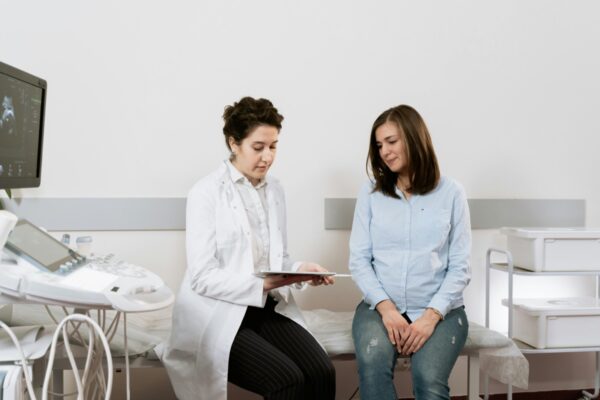
You bring real clinical value into this industry. Understanding fetal anatomy, managing patient communication under pressure, and knowing how to stay composed when a scan doesn’t cooperate are things that take non-clinical people months or years to build. Nurses arrive with all of that. What nursing doesn’t cover is specific 3D and 4D scan technique, image optimization for keepsake purposes, early gender determination scanning, or how to run a consumer-facing studio where the goal isn’t gathering clinical data. It’s creating an emotional experience for a family.
This guide is built for nurses who want a realistic picture of what the move into elective ultrasound actually requires, where the preparation needs to happen, and what the path from considering this to actually opening a studio looks like in practice.

Why Your Nursing Background Is a Real Advantage
The elective ultrasound industry draws people from all kinds of starting points: career changers with no clinical background, photographers expanding their services, entrepreneurs looking for a niche consumer business. Most of them spend the first several months of their training building comfort with patient interaction that nurses already have on day one.
Knowing how to read fetal position, explain what families are seeing on the screen in plain language, and remain calm when a baby is poorly positioned are things clinical experience makes significantly easier. Nurses who open studios often find that client trust builds faster for them than it does for operators with no healthcare context. For first-time parents who are nervous about the experience, a nurse-owned studio carries credibility that takes time to earn through any other path.
There is also the matter of professional discipline. Knowing clearly that elective ultrasound is not a diagnostic service, understanding when to refer clients back to their provider, and setting up a studio that communicates its purpose honestly tend to come more naturally to healthcare professionals. That kind of professional clarity is genuinely difficult to teach and nurses carry it from day one.
What Elective Ultrasound Still Requires That Nursing Does Not Cover
Clinical experience with anatomy does not automatically translate into producing high-quality 3D and 4D images. The specific techniques used in surface rendering, optimizing image depth and gain for keepsake-quality results, and capturing clean 3D facial images during a live session are skills built through hands-on practice with the right equipment. Nurses without a dedicated ultrasound scanning background typically need the same foundational training as any other new elective operator, regardless of how strong their clinical knowledge is.
Early gender determination, which many studios offer starting at around 15 to 16 weeks, involves specific transducer positioning and image reads that take repetition to do consistently. Nurses who have observed ultrasound in clinical settings often discover that performing and optimizing scans for a keepsake context is a different skill set from watching them happen during a medical appointment. The intent, the pacing, and the result you are chasing are all different.
The other significant gap is the business side. Pricing packages thoughtfully, setting up booking systems, building local visibility, managing studio overhead, and creating a session experience that earns reviews and return visits: none of that comes from clinical training. Nurses who take both sides seriously, scan technique and business operations, tend to find the transition smoother and scale their studios faster than those who assume clinical experience covers most of the preparation needed.
“The nurses who do this well aren’t the ones who assume their clinical background covers everything. They are the ones who treat the business and scan training side with the same seriousness they brought to learning their clinical role.”
Regulations and Licensing: What Nurses Actually Need to Know
Elective ultrasound is positioned as a bonding and keepsake experience, not a medical service. That distinction matters legally and operationally, but it does not mean regulations do not apply. Requirements for who can perform elective ultrasound scans vary significantly by state, and a nursing license does not automatically grant permission to operate an elective studio, nor does it allow you to skip the steps involved in setting one up.
Some states have specific rules around ultrasound use even in non-diagnostic contexts. Others are more permissive environments for elective studios. Before opening, checking the specific requirements in your state and working with a local business or healthcare-adjacent attorney is a recommended early step. The key compliance point that applies regardless of your background is that all elective studios must make clear to clients that sessions are for bonding and keepsake purposes only and are not a replacement for routine prenatal care or diagnostic evaluation.
What nurses often find is that their background doesn’t create legal shortcuts, but it does create operational clarity. Knowing how to maintain appropriate records, communicate the purpose of the service honestly, and refer clients back to their provider when needed tends to come naturally to clinical professionals entering this space.
Training Options That Work Well for Nurses
The most practical training path for nurses entering elective ultrasound is hands-on instruction that includes real clients, not just training phantoms. Ultrasound Trainers offers a private three-day hands-on elective ultrasound training program conducted at your location using your equipment. That format works well for nurses who want to learn in their actual studio environment and already have or are sourcing equipment separately. Coverage includes 3D and 4D scanning techniques, 2D ultrasound, image optimization, early gender determination, and managing common scanning challenges.
For nurses opening a new studio who want training and full business setup handled together, the turnkey business package combines four-day hands-on training with equipment, custom branding, website development, marketing materials, and ongoing support included. The right option depends on where you are in the process. Private training focuses on scan skill. The turnkey package addresses the whole launch.
What matters most in any training path is real practice with live clients under guidance. Simulation tools have their place in early learning, but the consistency of scan technique, image quality, and client session management that clients actually experience comes from working through real sessions until all three are reliable. Nurses who invest in that kind of training tend to open with stronger results and fewer early corrections to make.
The Business Side Nurses Most Often Underestimate
The gap we see most often when nurses move into elective ultrasound isn’t on the clinical side. It’s on the experience design and revenue side. Pricing strategy, package structure, session pacing, studio design, and local marketing all require deliberate attention, and none of it comes from nursing experience.
Studios that build tiered packages with meaningful add-ons such as heartbeat animals, gender reveal accessories, live streaming setups, and printed keepsakes tend to generate significantly more revenue per visit than those offering a flat-rate single session. Nurses who come from healthcare often price conservatively from habit, setting rates closer to medical appointment fees than premium consumer experience pricing. Elective ultrasound studios that perform well tend to think of themselves as boutique memory-making experiences and structure their pricing accordingly.
Building reviews, maintaining an accurate Google Business Profile, and developing referral relationships with local OB-GYN offices, midwives, and doulas are important early priorities that compound over time. None of this is complicated, but it requires intentional planning from the beginning. Strong scan skills do not build the business on their own, even when those skills are genuinely excellent.
Making the Transition Without Leaving Nursing Immediately
Many nurses build the elective ultrasound business part-time before making a full transition, and that is a realistic and sensible path. In the first year, you’re building a local client base, fine-tuning your scan technique, establishing a presence, and learning what service mix works in your specific market. Maintaining another income source during that phase reduces financial pressure and gives the business time to develop without rush decisions.
What makes the part-time approach work well is setting up the right systems before you open, not after. A clean booking process, a clear and well-priced package menu, a professional online presence, and a consistent session experience from the first appointment are things worth building out before your first paying client arrives. Nurses who approach the early months this way tend to scale into full-time operations faster and with fewer growing pains than those who figure things out reactively.
People Also Ask
Can a registered nurse own an elective ultrasound studio?
Yes. Business ownership does not require a specific professional license in most states. The more relevant considerations are what your state requires for performing elective ultrasound scans, what disclosures your studio must provide to clients, and how your business entity is structured. Consulting a local business or healthcare attorney before opening is recommended regardless of your professional background.
Do nurses need extra training to perform elective ultrasound scans?
Yes. Nursing training does not include specific 3D and 4D elective scanning technique, image optimization for keepsake purposes, or early gender determination training. Even nurses with clinical exposure to diagnostic ultrasound benefit from dedicated hands-on training before working with paying clients. Elective scanning technique is distinct from clinical sonography, and consistent results require focused practice.
How much does it cost to start an elective ultrasound business as a nurse?
Startup costs vary by training path, equipment choice, and how much of the business setup you handle independently. Private hands-on training through Ultrasound Trainers is $10,000 for operators who already have equipment. The turnkey business package ranges from $70,000 to $90,000 and includes equipment, training, branding, website development, marketing materials, and ongoing support. Total costs depend significantly on equipment selection and setup approach.
Does a nursing license help with state compliance for an elective ultrasound studio?
It may support professional credibility, but a nursing license does not automatically satisfy state-specific requirements for elective ultrasound businesses. Requirements vary significantly by state. Some states have rules specific to elective ultrasound regardless of operator background. Checking your state’s requirements and working with a local attorney is the right first step before assuming a particular structure is compliant.
Can nurses perform elective ultrasound without physician supervision?
Elective ultrasound is generally not classified as a medical service and typically does not require physician supervision in the way diagnostic ultrasound does. However, this varies by state and business structure. Nurses should verify requirements in their specific area rather than assuming any particular structure is automatically compliant. A healthcare attorney familiar with your state is the right resource for this question.
What equipment does a nurse need to open an elective ultrasound studio?
The core equipment includes a 3D/4D capable ultrasound machine with the appropriate probe, a display or projector for families to watch the scan, a thermal printer for still images, and standard studio supplies. Image quality, software capabilities, manufacturer support, and long-term reliability all factor into equipment decisions. Ultrasound Trainers can help evaluate equipment options as part of startup planning.
Can a nurse run an elective ultrasound business part-time while still working in healthcare?
Yes, and many nurses do exactly that in the startup phase. Running the studio part-time, typically on evenings or weekends, while maintaining income from nursing is a practical way to build the business without full financial exposure. The key is setting up strong systems from the beginning so that growth doesn’t require rebuilding operations later. Studios that open with a clear booking process, pricing menu, and professional presence scale more smoothly from part-time to full-time operations.
What is the biggest mistake nurses make when entering the elective ultrasound industry?
The most common gap isn’t on the clinical side. It’s underestimating how much the business side, pricing, marketing, experience design, and local visibility, requires deliberate planning. Nurses who treat the business preparation with the same seriousness they gave to clinical training tend to open with stronger results. The scan skills are learnable. The business mindset is what often determines whether the studio grows or stalls in the first year.
Ready to Talk Through Your Next Step?
If you are a nurse considering elective ultrasound training or thinking through what a studio startup would look like for your situation, contact Ultrasound Trainers to discuss training options, startup planning, and what the process looks like for healthcare professionals making this transition. We work with nurses and clinical professionals at every stage of the process.
Ultrasound Trainers provides hands-on elective ultrasound training, business startup guidance, and equipment support to people entering the elective ultrasound industry across the United States. Our clients include nurses, healthcare professionals, photographers, entrepreneurs, and career changers at various stages of the startup process. Content reflects practical, experience-based industry knowledge and is reviewed for accuracy and compliance with elective ultrasound positioning standards.
Last Updated: March 20, 2026
How to Scale an Elective Ultrasound Business Beyond Your First Location
Scaling an elective ultrasound business typically means stabilizing operations at your first location, building repeatable[...]
How Nurses Can Start an Elective Ultrasound Business
Nurses have real clinical advantages when entering elective ultrasound. This guide covers training, business setup,[...]

How Many Clients Do You Need to Make $10K a Month with a 3D/4D Ultrasound Business?
Wondering how many clients it takes to make $10K a month with a 3D/4D ultrasound[...]

How to Get More Bookings for Your Elective Ultrasound Studio
Struggling to fill your appointment calendar? These proven strategies help elective ultrasound studios get more[...]

Ultrasound Machine Service Contract: What Studio Owners Need to Know
A service contract on your ultrasound machine defines what happens when something breaks, who pays[...]
Private On-Site Ultrasound Training for Staff: What Actually Matters Before You Choose
Wondering where to get private on-site ultrasound training for your staff? Here is what to[...]
Do You Need Certification to Start an Ultrasound Business?
Do you need certification to start an ultrasound business? Get a practical guide to training,[...]
Elective Ultrasound Business Profit Margins Explained: What the Numbers Actually Look Like
Curious about elective ultrasound business profit margins? Here's an honest breakdown of the numbers, the[...]

Best Elective Ultrasound Machine to Buy for a New Studio
Choose the best elective ultrasound machine with this buyer guide on image quality, probes, pricing,[...]
How Much Can You Make Owning an Elective Ultrasound Studio? Myths vs. Reality
Curious how much you can make owning an elective ultrasound studio? Here's an honest myth-busting[...]
Can Nurses Start an Ultrasound Business? Full Guide
Can nurses start an ultrasound business? Get a practical guide to training, legal considerations, setup,[...]

Can You Open an Elective Ultrasound Business Without a Medical License?
Many people open successful elective ultrasound businesses without a medical license. Elective ultrasound is not[...]
