

Facebook Ads vs. Google Ads for Elective Ultrasound Studios: What Actually Works
This post answers a question that comes up constantly once a studio owner is ready to start spending money on advertising: should I run Facebook ads, Google ads, or both? It is not a trick question, but the answer depends on where your studio is in its growth, what your budget looks like, and how well your booking process is set up to convert traffic.
Let us get into it clearly, without the generic marketing-blog hedging.
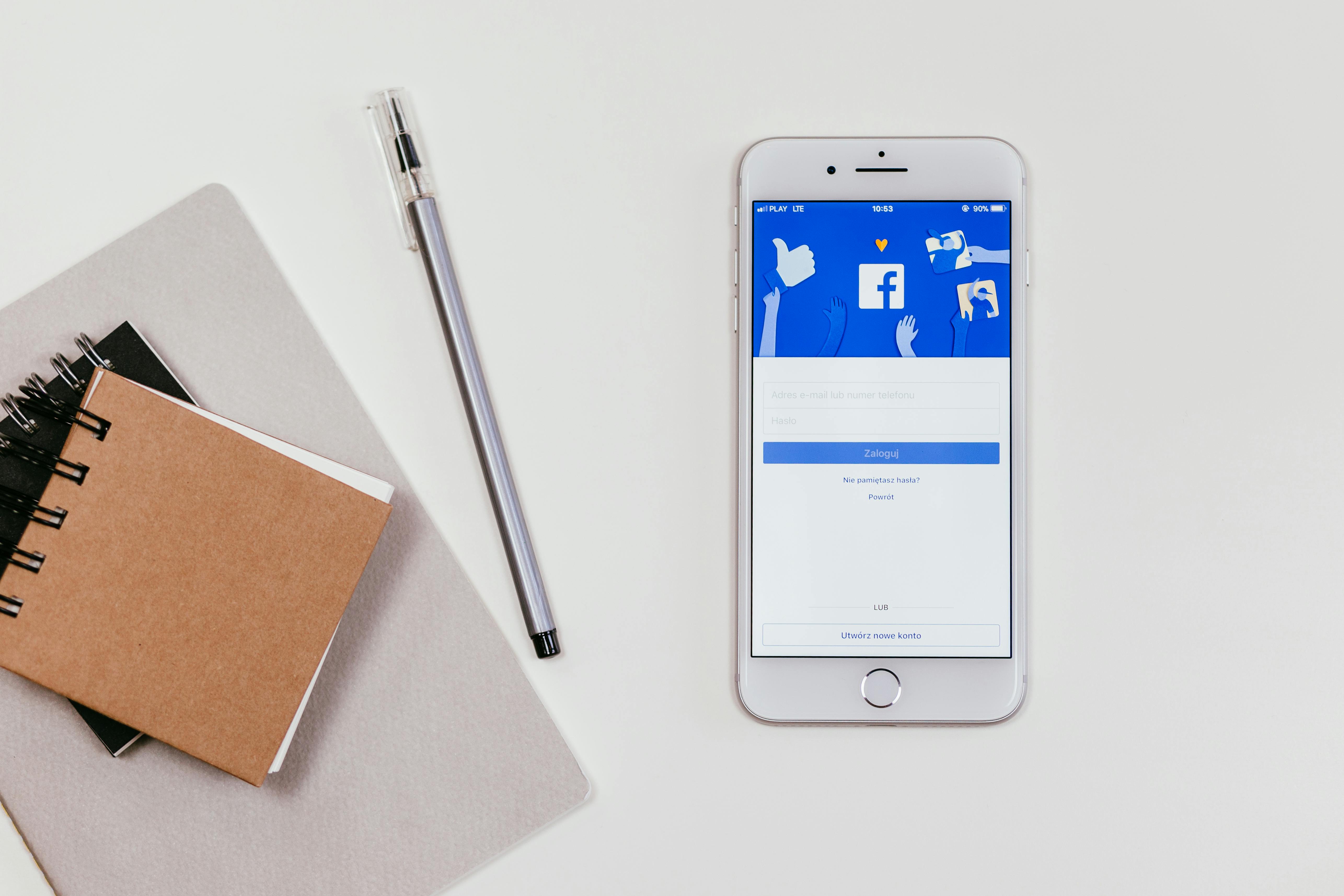
Why Is Facebook Advertising a Strong Fit for Elective Ultrasound Studios?
Facebook and Instagram give you something Google cannot: the ability to target an audience by life event. You can build a campaign that specifically reaches women in their second trimester, or people whose relationship status recently changed to “expecting a baby,” or users who follow pregnancy-related accounts and pages. For an elective ultrasound studio, that precision is genuinely valuable because your service window is narrow. A family needs to book between roughly 24 and 34 weeks for the best 3D and 4D experience, and the ability to reach them during that window, even before they start searching, is a real advantage.
Beyond targeting, Facebook and Instagram are visual platforms. Elective ultrasound is a highly visual service. A single 4D keepsake image of a baby’s face tends to stop the scroll in a way that most local business ads do not. The combination of precise audience targeting and naturally compelling visual content makes this platform a strong fit for studios that are ready to invest in paid social.
What Kind of Facebook Ad Actually Performs for an Ultrasound Studio?
The ads that consistently work in this category share a few characteristics. First, the creative leads with a real, warm image. Not a stock photo of a generic pregnant woman, but an actual keepsake ultrasound image or a genuine moment from a studio session. The more authentic the visual, the better it performs, because people click on what feels real rather than what looks like advertising.
Second, the copy is specific about the experience rather than the service. “See your baby’s face in stunning 4D detail” performs better than “Book your ultrasound today.” You are selling a memory, not a medical appointment. Write copy that reflects the emotional reason someone would book a session, not just the logistical one.
Third, the call to action is direct and low friction. A “Book Now” button that links directly to a booking page, not to your homepage, converts significantly better than one that requires the viewer to navigate. Every unnecessary click between the ad and the completed booking is a potential drop-off point.
When Does Google Advertising Make Sense for an Ultrasound Studio?
Google Ads target intent, meaning people who are actively searching for what you offer. The challenge for elective ultrasound studios, especially newer ones, is that the search volume for terms like “4D ultrasound near me” varies significantly by location. In a major metro area, there may be thousands of monthly searches. In a smaller city, there may be only a few hundred, which limits the addressable audience for search ads and can make cost-per-click high relative to the booking volume you can generate.
That said, Google Ads becomes increasingly valuable as your studio grows and as local search interest in your category builds. People searching for “4D ultrasound studio [city]” are showing high purchase intent. They are not browsing. They are ready to book. Capturing that traffic with a well-structured campaign can yield a very efficient cost per booking compared to broader awareness channels.
The ideal starting point for Google advertising is a campaign targeting your city and nearby areas, bidding on high-intent keywords like “4D ultrasound [city],” “keepsake ultrasound near me,” and “elective ultrasound studio [region].” Keep the campaign tightly focused and link every ad to a dedicated landing page rather than your general homepage.
How Much Does It Cost to Run Ads for an Elective Ultrasound Studio?
Ad costs depend on your location, your targeting, how competitive your local market is, and how well your creative and landing page convert. These are all variables, which means any specific number from this or any other article is approximate. What you can expect, broadly, is that Facebook and Instagram campaigns for local services in less competitive markets often produce bookings at a cost that makes sense for the price point of an elective ultrasound session. More competitive metro areas will cost more per booking.
Start with a test budget that you are comfortable spending without any guaranteed return. Run the campaign for at least 30 days before drawing conclusions, since ad algorithms need time to learn and optimize. Track cost per click, cost per booking inquiry, and actual confirmed bookings, not just impressions or reach. Those are the numbers that tell you whether the spend is working.
Should You Run Facebook and Google Ads at the Same Time?
Eventually, yes. The two platforms serve different stages of the buyer journey. Facebook creates awareness and generates demand among people who were not yet looking. Google captures demand from people who are already searching. Running both together creates a more complete funnel: Facebook introduces your studio to the right audience, and Google captures the ones who follow up by searching for you or your category.
For most studios, the practical starting point is one platform at a time. Facebook or Instagram ads are generally the better first choice because they can produce results even in markets with limited search volume. Once you have a performing Facebook campaign and your booking process is converting consistently, adding Google Ads on top amplifies what is already working rather than introducing a second complex channel to manage simultaneously.
What Targeting Options Work Best for Elective Ultrasound Ads?
On Facebook and Instagram, the most effective targeting combinations for elective ultrasound studios tend to include geographic radius targeting around your studio, interest-based targeting that includes pregnancy, baby showers, parenting, and related categories, and life event targeting where available. Lookalike audiences built from your existing client email list, once you have enough data, can also perform well because they reach people who resemble your real customers.
On Google, keyword targeting focused on local, high-intent search phrases produces the most efficient results. Broad match keywords in ultrasound advertising tend to generate irrelevant traffic. Stick to phrase match and exact match for your core booking keywords, and add negative keywords for diagnostic and medical ultrasound terms to avoid paying for traffic that is clearly not your audience.
What Common Ad Mistakes Do Elective Ultrasound Studios Make?
The most common mistake is linking ads to a homepage rather than a purpose-built landing page. Homepages have too many distractions. A landing page focused on one specific offer, with a single call to action and no competing navigation, converts significantly better. If you want to test ads without building a dedicated landing page, at minimum link to the specific package or booking page most relevant to the ad’s message.
The second common mistake is stopping campaigns too soon. Paid advertising takes time to optimize. Running a campaign for one week and concluding it does not work is rarely enough data to make an informed decision. Give campaigns at least 30 days and a meaningful number of impressions before making significant changes.
The third mistake is running ads before your booking process is ready. If someone clicks your ad, reaches your booking page, and finds a confusing form, outdated availability, or no way to book online, you have paid for a visit that went nowhere. Before spending on ads, make sure the path from “click” to “confirmed booking” is simple, fast, and works on mobile.
Bottom Line: Where Should You Start?
If you are new to paid advertising for your elective ultrasound studio, start with Facebook and Instagram. The targeting options are well-suited to your audience, the visual format plays to your service’s natural strengths, and the barrier to entry is lower than Google Ads in terms of setup complexity. Build a campaign with a genuine keepsake image, copy that focuses on the experience rather than the transaction, and a direct link to your booking page. Run it for 30 days with a test budget. See what converts.
Once Facebook is producing consistent results and your local online presence is strong enough that people are finding you organically as well, add Google Ads to capture the high-intent search traffic that is already looking for what you offer. The two platforms complement each other, and together they create a more resilient and scalable paid marketing strategy than either one alone.
If you are working through the broader question of how to market your studio, including training, startup support, and business training alongside your advertising strategy, the Ultrasound Trainers team can help you think through the full picture.
People Also Ask
Are Facebook ads worth it for a small elective ultrasound studio?
Yes, when done correctly. Facebook’s life-event and interest-based targeting lets small studios reach a highly specific local audience without the large budgets typically required for broad awareness campaigns. The key is starting with a well-designed creative, a specific offer, and a direct link to a booking page. A modest budget managed consistently often outperforms a large budget deployed carelessly.
Do Google Ads work for elective ultrasound businesses?
They can be highly effective, particularly in larger markets where search volume for elective ultrasound terms is meaningful. Google Ads capture people who are actively searching for your service, which means the traffic tends to be high intent. In smaller markets, limited search volume can make Google Ads less efficient as a standalone channel, but they work well alongside organic local SEO efforts.
How much should I budget for ads when starting out?
A starting test budget that allows you to run a campaign for 30 days without financial stress is a reasonable approach. The actual amount varies depending on your location and local competition. The goal in the first month is to collect enough data to know what is converting, not to maximize volume immediately. Start conservatively, track everything, and scale what works.
What image performs best in Facebook ads for ultrasound studios?
Authentic keepsake ultrasound images showing clear 3D or 4D fetal faces consistently outperform generic stock photography in this category. If you have real session images you can use with client permission, they will almost always perform better than purchased stock photos. Warmth and authenticity drive engagement in a category where the emotional connection is the core selling point.
Should I hire someone to run my studio ads or do it myself?
Either approach can work. Running your own ads is very manageable for Facebook and Instagram once you understand the platform basics, and doing it yourself in the early stages means you build direct knowledge of what works in your market. Hiring a specialist makes more sense as your budget grows, when optimization complexity increases, or when your time is better spent on operations and client experience than on ad management.
Can I use the same ad creative for both Facebook and Google?
No. Facebook and Instagram ads are visual and awareness-focused, so strong imagery and emotionally compelling copy work best. Google search ads are text-based and intent-focused, so tight keyword alignment and specific calls to action perform better. The messaging can be consistent, but the format and approach should be adapted to each platform’s context and audience mindset.
How do I track whether my ultrasound studio ads are actually working?
At minimum, track clicks, cost per click, landing page visits, and completed bookings. Setting up conversion tracking through your booking system or a tool like Google Analytics lets you trace the full path from ad click to confirmed appointment. Cost per booking is ultimately the most important metric, because impressions and clicks that do not convert into revenue are not a measure of ad success.
What should my ultrasound studio ad say?
Lead with the experience, not the service. Something like “See your baby’s face clearly for the first time” speaks to why families actually book a session. Follow with a brief description of what is included, your location or service area, and a clear booking call to action. Keep it short, specific, and focused on the emotional value of a keepsake ultrasound rather than clinical or technical language.
Getting Ready to Launch Your Studio?
Advertising works best when it is built on a solid business and training foundation. If you are planning to open an elective ultrasound business or you want support connecting your marketing with the right training and equipment decisions, Ultrasound Trainers can help you think through every part of the launch.
Contact our team to get started.
Ultrasound Trainers provides hands-on elective ultrasound training, comprehensive business startup packages, and equipment guidance for people building elective ultrasound studios across the country. We work with career changers, healthcare professionals, photographers, doulas, and entrepreneurs at every stage of the process. Our programs are designed around real industry knowledge, not just classroom theory.
Content on this site is written from direct industry experience and reviewed for accuracy before publication.
Last Updated: March 26, 2026

Elective Ultrasound Scanning Technique: What Separates Good Scans From Great Ones
Strong elective ultrasound scanning technique is what turns training into consistent, high-quality client experiences. Here[...]

Facebook Ads vs. Google Ads for Elective Ultrasound Studios: What Actually Works
Should you run Facebook ads or Google ads for your ultrasound studio? This guide compares[...]
Starting an Elective Ultrasound Business in New York: What New Owners Should Know
Starting an elective ultrasound business in New York takes market fit, startup planning, and local[...]

How to Get Repeat Clients at Your Elective Ultrasound Studio
Repeat clients cost far less to acquire than new ones. Here is a step-by-step guide[...]

Elective Ultrasound Gender Determination Training: What You Need to Know
Elective ultrasound gender determination training opens one of the most popular service categories for studio[...]

How Long Does It Actually Take to Open an Elective Ultrasound Studio
Wondering about the elective ultrasound studio opening timeline? Most studios see their first clients in[...]

Elective Ultrasound Training Courses in San Jose: What the Path Really Looks Like
Elective ultrasound training courses in San Jose make sense for birth professionals and entrepreneurs in[...]

Social Media Strategy for Elective Ultrasound Studios: Your Questions Answered
A practical social media strategy for your elective ultrasound studio starts with knowing which platforms[...]

What a Turnkey Elective Ultrasound Business Package Actually Includes
A turnkey elective ultrasound business package covers training, equipment, branding, and support in one structured[...]

How to Build a 5-Star Reputation for Your Elective Ultrasound Studio
Your studio's reputation is your most powerful marketing asset. Here is how to build it[...]

Elective Ultrasound Studio Marketing in New York City: A Practical Local Strategy
Elective ultrasound studio marketing in New York City works best with neighbourhood targeting, reviews, and[...]

Starting an Elective Ultrasound Business in Ohio: What New Owners Should Know
Starting an elective ultrasound business in Ohio takes more than buying equipment. See market fit,[...]
