
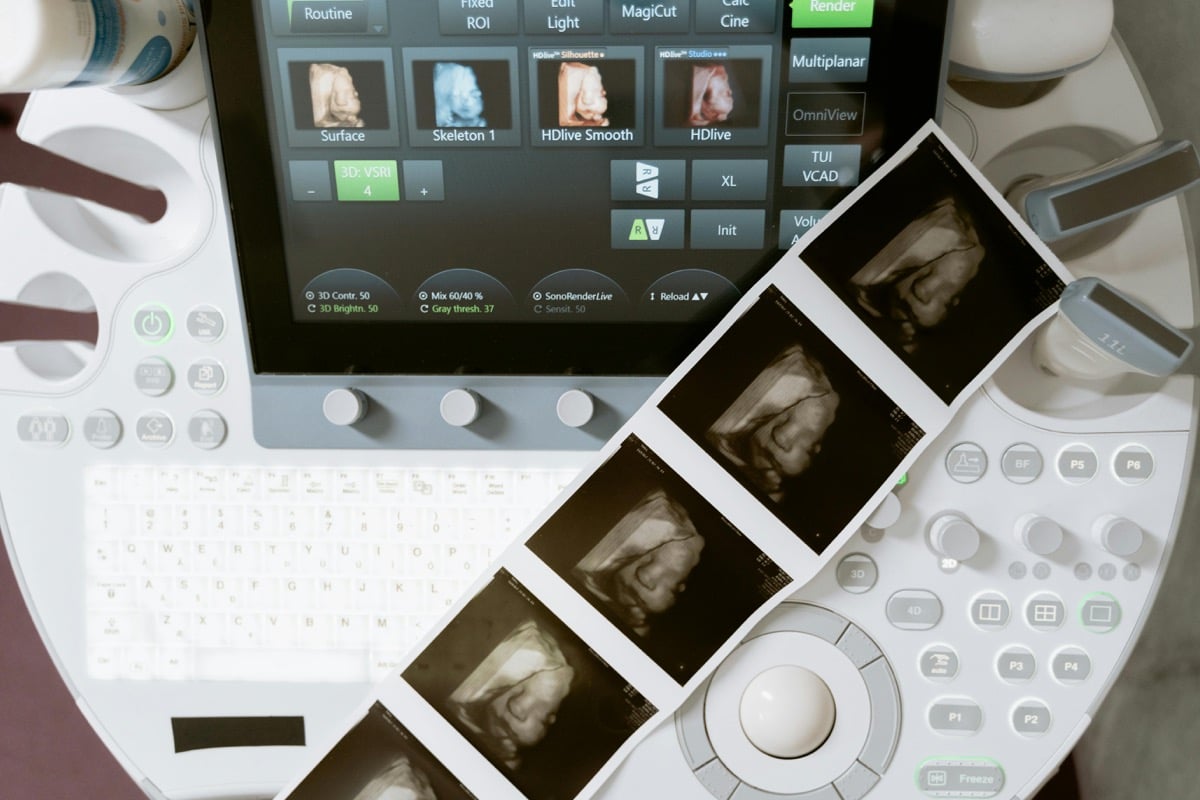
Can You Start an Ultrasound Business Part-Time?
Table of Contents
- Why the part-time model is so appealing
- The short answer most owners need
- What part-time really looks like in this business
- When a part-time ultrasound business works best
- The biggest challenges part-time owners face
- A practical plan for launching part-time
- Costs, scheduling, and growth decisions
- Mistakes that can slow down a part-time launch
- People also ask
For many future studio owners, part-time sounds like the smartest way to start. It lowers risk, protects income from another job, and gives you room to learn the business before you go all in. That is why this question comes up so often with people exploring the elective ultrasound space.
The appeal is easy to understand. A part-time model can give you time to build skills, test demand, refine packages, and get comfortable with operations before taking on more overhead. It can also help you decide whether this is a long-term business or simply an idea that sounded good at the beginning.
But part-time ownership still requires serious planning. An elective ultrasound business is not the kind of service that succeeds on spare energy alone. Clients still expect a polished experience, clear communication, dependable scheduling, and high-quality sessions. The business may be part-time on your calendar, but it should not feel part-time to your customers.
This guide breaks down when the model works, where it gets difficult, and how to build a part-time launch that still feels professional and growth-ready.
Why the Part-Time Model Is So Appealing
Most first-time owners do not want to jump straight into a full commercial lease, full weekly schedule, and full financial pressure before they know how the business will perform. Part-time feels more manageable. It gives you a way to start learning while still protecting your main income source.
Why people choose a part-time launch
- Lower financial pressure in the early stage
- More time to build confidence and systems
- A chance to test local demand before scaling
- Flexibility for owners keeping another job or business
- A more gradual learning curve around equipment, workflow, and client expectations
These are good reasons. In fact, for some entrepreneurs, part-time is the most realistic and responsible path. The key is understanding that a reduced schedule changes your operations, but it does not reduce the need for strong execution.
The Short Answer Most Owners Need
Yes, you can start an ultrasound business part-time, especially if you are building an elective ultrasound studio and structuring the launch carefully. A part-time schedule can work well when your availability is clear, your business model matches the time you can truly give it, and your customer experience is designed around consistency instead of convenience.
That last point matters a lot. Many owners think part-time means fitting appointments into leftover hours. In reality, the strongest part-time businesses choose a clear availability model and build around it.
That is the difference between a part-time business that grows and a part-time business that always feels difficult to manage.
What Part-Time Really Looks Like in This Business
Part-time does not just mean fewer appointments. It affects booking windows, marketing pace, client communication, equipment decisions, staffing choices, and how fast you can build local awareness. In other words, it is a real business model, not just a smaller version of full-time ownership.
| Part-Time Model | What It Usually Looks Like |
|---|---|
| Weekend-focused | Appointments concentrated on Saturdays or Sundays with limited weekday admin work |
| Evening schedule | Appointments offered on select weeknights after another job or business |
| Limited appointment blocks | A few well-defined booking windows each week rather than open availability |
| Phase-one launch | Starting lean while preparing to grow into broader hours later |
The important thing is to choose a model clients can understand. If your hours are unpredictable, booking becomes frustrating. If your hours are limited but clear, people can still plan around them.
When a Part-Time Ultrasound Business Works Best
A part-time launch can be a strong option, but not for everyone. It tends to work best when the owner has realistic expectations, a manageable time commitment outside the business, and a deliberate plan for appointments and follow-up.
A part-time model is often a good fit when you:
- Want to keep another income stream during the early stage
- Are learning the elective ultrasound business and want to build gradually
- Prefer a lower-overhead launch model
- Can commit to clear weekly availability instead of last-minute openings
- Are comfortable growing more slowly in exchange for lower risk
It is usually a weaker fit when you:
- Have very little predictable time each week
- Need fast full-time income from the business immediately
- Struggle with follow-up, scheduling, or organization
- Expect word of mouth to grow without consistent availability
- Do not have the energy to deliver a polished client experience after other responsibilities
The biggest mistake is assuming part-time is automatically easier. It can be easier financially, but it often requires more discipline because your time margin is smaller.
The Biggest Challenges Part-Time Owners Face
The part-time model works best when you plan for its limits upfront. Most problems come from underestimating how many invisible tasks still exist outside the appointment itself.
What still has to happen even if you are only open part-time
- Answering inquiries and following up with leads
- Managing booking confirmations and reminders
- Preparing the room and equipment before sessions
- Handling media delivery and post-session communication
- Maintaining your website, marketing, and review generation
- Ordering supplies and keeping the studio ready
These tasks do not disappear because your appointments are limited. That is why part-time owners often need better systems than full-time owners, not weaker ones.
The three challenges that matter most
- Schedule compression. If your bookings are concentrated into a few blocks, any delay, reschedule, or no-show has more impact.
- Marketing consistency. You still need visibility, but your schedule may not support aggressive promotional volume right away.
- Energy management. Running appointments after work or on weekends can be rewarding, but it can also become exhausting without structure.
A good part-time business respects those constraints instead of pretending they will solve themselves later.
A Practical Plan for Launching Part-Time
If you are serious about this path, a clear step-by-step approach works much better than trying to fit the business around random availability.
Step 1: Choose your exact availability model
Decide whether you will offer evenings, weekends, or specific appointment blocks. Avoid vague availability. Clients respond better to clear windows than to a message that says appointments vary week to week.
Step 2: Build your training and workflow before you market heavily
A limited schedule means you need appointments to go smoothly. That makes training especially important. Ultrasound Trainers offers elective ultrasound training designed around the hands-on scanning and practical business realities future studio owners need.
Step 3: Keep your services simple at the start
A part-time studio usually works better with a focused service menu. Too many packages, add-ons, or complicated booking choices can make the operation harder to manage in limited hours.
Step 4: Set up systems that reduce manual work
Your booking process, reminders, intake flow, and client communication should be organized so that you are not spending your off-hours constantly catching up on admin tasks.
Step 5: Decide what growth would look like before you need it
Know in advance whether your goal is to stay boutique and part-time, add more blocks later, or transition into a fuller schedule once demand builds.
This approach keeps the business manageable and prevents you from overbuilding before you have proof that your local market and schedule can support more.
Costs, Scheduling, and Growth Decisions
One reason the part-time model is attractive is that it can reduce immediate pressure. But lower pressure does not mean no planning. In fact, a part-time launch often works best when you are selective about what you invest in first.
What part-time owners should prioritize early
- Training that improves scanning confidence and client flow
- Equipment that fits the business model you are actually starting with
- Simple, clear package design
- Reliable scheduling and communication systems
- A room setup that feels polished, even on a limited appointment schedule
Many owners benefit from connecting training with broader startup planning, especially if they are balancing another job or launching on a limited schedule. Ultrasound Trainers also offers ultrasound business training and consulting for owners working through setup, marketing, and launch strategy.
A mini example
Imagine an owner who opens only on Saturdays and one evening each week. Instead of trying to offer every possible service, they focus on a tight menu, clear booking windows, and a polished session experience. Over time, they learn which appointment times fill fastest, which packages create the best client response, and whether the business is ready for more hours. That is the strength of a part-time launch done well. It creates usable data instead of guesswork.
How to know when it is time to expand
- Your current time blocks are filling consistently
- You are turning away demand because of limited schedule availability
- Your systems are strong enough that more volume will not create chaos
- Your energy, training, and equipment setup can support more appointments
Not every owner needs to scale quickly. But if growth is your goal, it helps to define the signs in advance.
Mistakes That Can Slow Down a Part-Time Launch
Part-time businesses can work very well, but they are vulnerable to certain patterns that create avoidable stress.
Common mistakes to avoid
- Offering hours that are too inconsistent for clients to understand
- Trying to market like a full-time studio before your schedule can support it
- Overcomplicating packages and add-ons too early
- Underestimating how much admin work still happens outside appointments
- Skipping training because you assume part-time volume will be easier
- Ignoring fatigue and burnout while balancing another job
- Waiting too long to improve systems that are already causing friction
One of the most important mindset shifts is this: part-time should be intentional, not accidental. If your business always feels squeezed in, clients will feel that too. If it feels structured and reliable, they often care far less about how many total hours you are open.
Is Part-Time the Right Starting Point for You?
For many aspiring owners, yes. A part-time launch can be a smart bridge between interest and full-scale ownership. It can help you build skill, understand your market, and protect your finances while learning the business. But it works best when you accept the tradeoff: slower growth in exchange for lower risk and more control.
If you want immediate volume, broad availability, and faster expansion, part-time may feel too limiting. If you value flexibility, gradual growth, and a more controlled startup pace, it can be an excellent path.
People Also Ask
Can you run an elective ultrasound business on weekends only?
Yes, some owners choose a weekend-focused model, especially in the early stage. The key is making sure your booking flow, client communication, and room readiness are all designed around those limited appointment windows.
Is a part-time ultrasound business a good way to test the market?
Yes, that is one of the main advantages. A part-time model can help you learn how local demand responds to your pricing, schedule, service menu, and overall client experience without committing to a full-time launch immediately.
What matters most when starting part-time?
Three things usually matter most:
- Clear and consistent availability
- Strong training and appointment flow
- Systems that reduce admin overload outside session hours
Can you keep another job while starting an ultrasound studio?
Yes, many future owners look at part-time ownership for exactly that reason. It can work well when your schedule is predictable enough to protect both your main job and your client experience. The problem is not having another job. The problem is overcommitting and becoming inconsistent.
Should a part-time studio offer fewer services at first?
Usually yes. A focused service menu often makes the business easier to manage early on. It also helps with training, pricing clarity, room setup, and client communication.
Do you still need business training if you are not going full-time yet?
Yes. Part-time businesses still need strong planning. Training and consulting can help with:
- Package design
- Scheduling structure
- Marketing priorities
- Equipment choices
- Launch sequencing
Can a part-time business eventually become full-time?
Absolutely. Many owners think of part-time as phase one. A smart transition usually follows this order:
- Prove demand in your current time blocks
- Improve systems before adding volume
- Expand hours only when you can maintain quality
- Reassess your space, equipment, and schedule as growth builds
What are the biggest risks of starting part-time?
The most common risks include:
- Inconsistent hours that confuse clients
- Burnout from balancing too much
- Weak follow-up during off-hours
- Trying to grow faster than your schedule allows
- Underestimating admin work behind the scenes
How do you know if your schedule is realistic?
A realistic schedule should leave room for more than just the appointment itself. You also need time for prep, cleanup, follow-up, bookings, marketing, and regular business upkeep. If your calendar only works on paper and not in real life, the model needs to be simplified.
Where can you get help planning a part-time launch?
If you are trying to balance training, equipment, and startup planning around a limited schedule, it helps to talk with a team that understands both the scanning side and the business side. To explore the next step, visit the Ultrasound Trainers contact page.
Ready to Build a Part-Time Studio the Right Way?
If you want to start lean without looking unprepared, the best next move is to build a schedule that clients can trust, get trained before you market heavily, and keep the business model simple enough to run well. A part-time elective ultrasound studio can be a smart starting point when the structure behind it is strong.
About the Author and Process
This article was created in the voice of Ultrasound Trainers, a trusted resource for elective ultrasound training, startup guidance, equipment planning, and studio growth support. The goal is to help future owners make practical decisions with clear, useful guidance grounded in the realities of the elective ultrasound business.

Starting a 3D 4D Ultrasound Business: Myths That Slow Most People Down
Planning to start a 3D 4D elective ultrasound business? These common myths cost entrepreneurs time[...]
Can Non-Medical Owners Start an Ultrasound Business?
Can non-medical owners start an ultrasound business? Get a practical guide to training, legal planning,[...]
Can You Start an Ultrasound Business Part-Time?
Can you start an ultrasound business part-time? Get a practical guide to training, scheduling, setup,[...]

What Hands-On Elective Ultrasound Training Actually Feels Like
Curious what real hands-on elective ultrasound training involves? This narrative walkthrough covers what to expect[...]

Is Starting an Elective Ultrasound Business Worth It in 2026? ROI and Break-Even Guide
Is starting an elective ultrasound business worth it in 2026? See a practical ROI and[...]

How to Bring Ultrasound Training to Your Location: A Practical Planning Guide
Planning private ultrasound training at your location? This step-by-step guide covers how to prepare your[...]

How to Scale an Elective Ultrasound Business Beyond Your First Location
Scaling an elective ultrasound business typically means stabilizing operations at your first location, building repeatable[...]

How Nurses Can Start an Elective Ultrasound Business
Nurses have real clinical advantages when entering elective ultrasound. This guide covers training, business setup,[...]

How Many Clients Do You Need to Make $10K a Month with a 3D/4D Ultrasound Business?
Wondering how many clients it takes to make $10K a month with a 3D/4D ultrasound[...]

How to Get More Bookings for Your Elective Ultrasound Studio
Struggling to fill your appointment calendar? These proven strategies help elective ultrasound studios get more[...]

Ultrasound Machine Service Contract: What Studio Owners Need to Know
A service contract on your ultrasound machine defines what happens when something breaks, who pays[...]

Private On-Site Ultrasound Training for Staff: What Actually Matters Before You Choose
Wondering where to get private on-site ultrasound training for your staff? Here is what to[...]
