

The client consultation and intake process for an elective ultrasound studio should cover health history basics, session expectations, safety context, positioning guidance, and image consent before the scan begins. A clear, warm intake process protects your studio and sets the client up for a better experience.
The scan itself is the part most studio owners spend the most time preparing for. The ten to fifteen minutes before it — the consultation and intake — gets treated as a formality. That’s a mistake. How you prepare clients before the probe touches skin determines how the session unfolds, what the client experiences emotionally, and how many problems you prevent before they have a chance to happen.
The elective ultrasound client consultation process is worth getting right from the very first session you run. Here’s what that looks like in practice.
Why the Pre-Scan Consultation Matters for Your Studio
Clients often arrive with expectations that don’t match reality. Some have seen remarkable 4D images on social media and expect that every session will produce similar results. Others are anxious and hoping for reassurance they cannot — and should not — receive from an elective ultrasound studio. Some have questions they’re embarrassed to ask. A few haven’t eaten or had anything to drink before the session, which directly affects image quality.
A structured intake and consultation catches all of these situations before they become problems during the scan. It gives you the information you need to manage the session intelligently, sets accurate expectations that protect the client experience, and creates the legal and operational record that protects your studio.
Step One: The Intake Form
Every client should complete an intake form before their session begins. This should happen during booking confirmation or upon arrival, not during the scan itself. What the form covers matters as much as the fact that it exists.
Basic health history items relevant to elective ultrasound include gestational age at time of appointment, any confirmed placenta placement issues the provider has mentioned, whether there are any pregnancy complications the client’s provider has noted, and any physical conditions that might affect how the client can be positioned during the session. You don’t need a medical history — you need enough context to conduct the session safely and appropriately.
Consent language is the other critical element of the intake form. The waiver should make clear what elective ultrasound is and is not: it’s a bonding and keepsake experience, not a medical diagnostic service. It does not evaluate fetal health, confirm normal development, or replace any aspect of prenatal care. This framing protects you legally and sets the client’s expectations correctly before the session begins. Clients who understand this from the start are far less likely to misinterpret what they see during the session or hold the studio responsible for what the images do or don’t show.
Step Two: The Pre-Scan Conversation
After the form is complete and before you begin scanning, take three to five minutes to talk with the client directly. This isn’t a formal interview — it’s a human conversation that accomplishes several things simultaneously.
Ask how they’re feeling about the appointment. Some clients are calm and excited. Others are nervous, especially if it’s their first experience with this type of session. Knowing their emotional state helps you calibrate your communication during the scan — a nervous client needs more narration and reassurance than a relaxed one.
Confirm gestational age and ask when they last ate and drank something. Image quality in 3D/4D scanning is directly affected by hydration and amniotic fluid levels. Clients who haven’t had enough water may produce sessions with significantly reduced image quality. This is the right moment to explain that, set realistic expectations if they’re underprepared, and suggest they drink something before you begin if time allows.
Explain what will happen during the session in plain terms. Many clients have never had an elective ultrasound before and don’t know what to expect physically or visually. Walk them through the basics: you’ll apply warm gel, use the probe to capture images and video, and they’ll see the results on the monitor in real time. Explain that the baby’s position, gestational age, and other factors affect what you’ll be able to capture, and that some sessions produce clearer images than others. This one piece of honest expectation-setting prevents an enormous number of post-session disappointments.
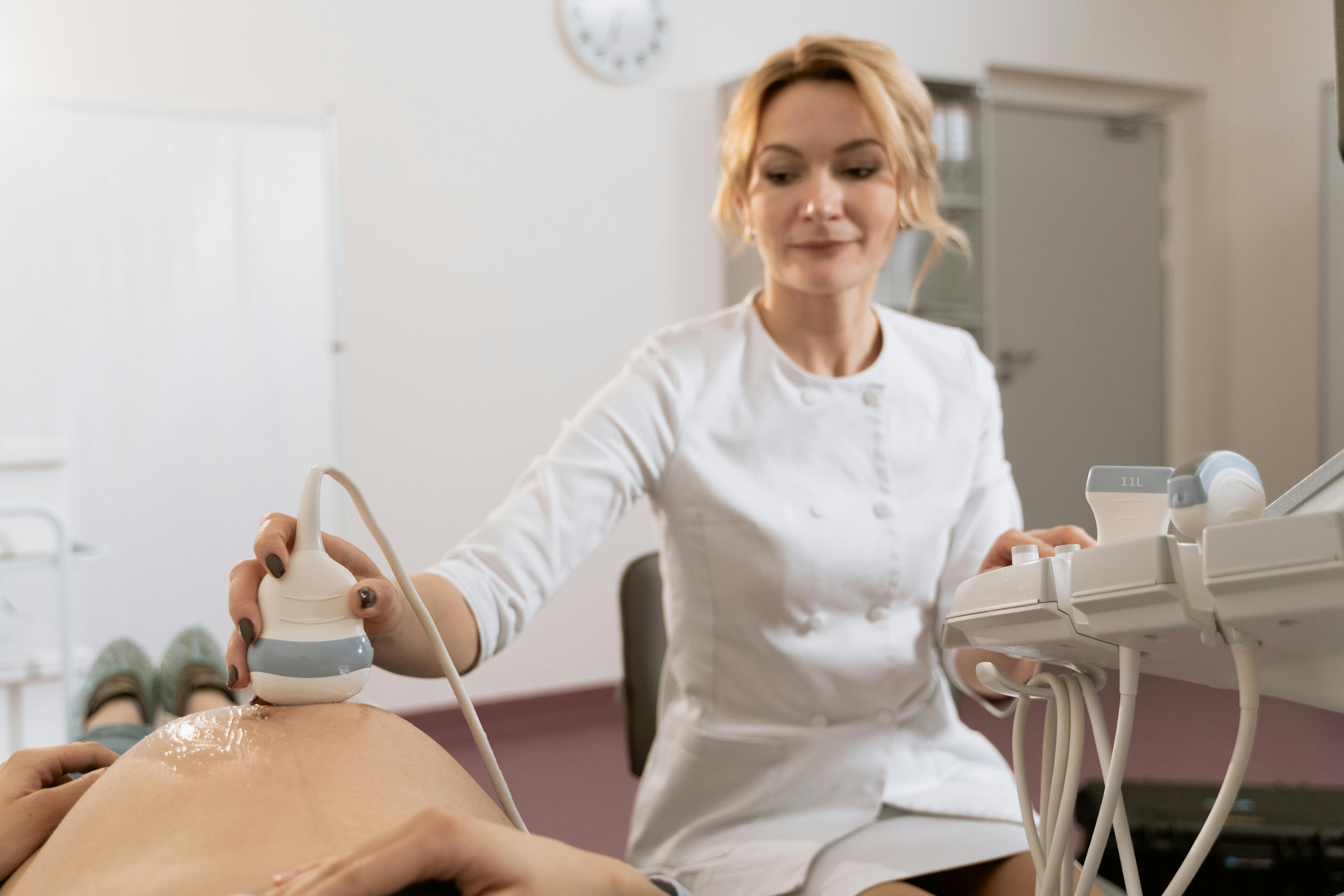
Step Three: Managing Expectations About What the Scan Can and Cannot Show
This is the part of the consultation that protects both the client and your studio most directly.
Elective ultrasound is designed for bonding and keepsake purposes. It is not a medical evaluation. It does not confirm that the pregnancy is progressing normally, that development is on track, or that the fetus is healthy. These are things the client’s medical provider assesses through clinical care. Your session shows the client their baby in a meaningful, emotionally rich way. It does not diagnose, assess, or confirm anything medically.
Many clients intellectually know this but emotionally want reassurance during the scan. When they see the baby move, they feel relieved. When they see something they don’t recognize, they worry. A well-run pre-scan consultation makes clear, warmly but firmly, that the studio is here to give them a beautiful keepsake experience and that any health-related concerns should be directed to their provider. This framing makes those inevitable moments during the scan easier to handle professionally.
Step Four: Positioning and Physical Comfort
Before the scan begins, help the client get settled comfortably. Show them where to position themselves on the exam table or recliner, how to adjust if needed during the session, and what the gel will feel like. Some clients have never had any kind of abdominal ultrasound before and the physical reality of the process is slightly unfamiliar.
Confirm that their guests are in a position where they can see the monitor comfortably. A client who is focused on making sure their partner and mother-in-law can see the screen while also trying to hold still will produce a more difficult session than one who is physically settled and attentive before you start. A brief moment spent on comfort and positioning before you apply gel makes the scan itself go more smoothly.
Building Your Intake Process Into a Consistent Studio System
The intake and consultation process works best when it’s consistent across every session. That means it shouldn’t depend on your mood that day, how busy the session block is, or whether you’re running a few minutes behind. A written protocol that covers every element of the pre-scan process — intake form collection, pre-scan conversation, expectation-setting, positioning — gives your studio a reliable standard that holds up even when sessions are back to back.
If you hire staff to conduct sessions, a documented consultation protocol is even more critical. It ensures that every client, regardless of which team member they work with, gets the same quality of preparation. Variation in the intake process creates variation in the session experience and in client expectations. Consistency at the intake stage creates consistency across the board.
| Intake Stage | Key Goal | Common Mistake to Avoid |
|---|---|---|
| Intake form | Capture health context and consent | Skipping it when the studio is busy |
| Pre-scan conversation | Read the client’s emotional state, confirm basics | Rushing past it to start scanning quickly |
| Expectation-setting | Align what the client expects with what’s realistic | Allowing inflated expectations to stand uncorrected |
| Scope clarification | Make elective vs. diagnostic distinction clear | Using language that implies medical assessment |
| Positioning | Get the client physically settled before scanning | Starting the scan before the client is comfortable |
People Also Ask
What should an elective ultrasound intake form include?
At minimum: client name and contact information, gestational age at time of appointment, any relevant pregnancy complications the provider has noted, a clear consent statement acknowledging the elective and non-medical nature of the service, and confirmation of the client’s understanding that the session does not replace diagnostic prenatal care. Some studios also collect preferred pronoun use if gender reveal sessions are offered, and the expected number of guests attending.
How do I handle a client who arrives expecting medical reassurance from the session?
Address it warmly and directly during the pre-scan conversation before it becomes an issue during the scan. Acknowledge their excitement and any anxiety they feel, and gently clarify what the session is for: creating a beautiful, meaningful keepsake experience alongside their regular prenatal care. Reassure them that any health-related questions should go to their provider, and redirect the conversation toward what you’ll be doing together during the session. Most clients respond well to this framing when it’s delivered warmly rather than clinically.
How long should the pre-scan consultation take?
Three to five minutes is typically sufficient when the intake form has already been completed. If the client has questions, allow those to be answered fully even if it adds a few minutes. The time invested in a clear consultation pays off in a smoother session and a client who leaves with realistic expectations and a positive experience.
Should I send pre-scan preparation instructions before the appointment?
Yes. Sending basic preparation guidance — drink plenty of water in the days before the appointment, eat a small snack beforehand, and arrive with a relatively full bladder — significantly improves image quality outcomes. Clients who arrive well-hydrated and prepared produce better sessions. Including this information in the booking confirmation email and in a reminder message the day before the appointment is a simple step with a meaningful impact on session quality.
What is the right way to explain the elective versus diagnostic distinction to clients?
Keep it simple and positive. Something like: “This session is designed to give you a beautiful, up-close look at your baby for keepsake and bonding purposes. It’s not a medical appointment, so I won’t be making any assessments or evaluations. Everything on the medical side stays with your provider. What we’re here to do today is give you an experience you’ll remember.” Most clients understand and appreciate the clarity.
What if a client sees something concerning during the scan and asks what it means?
Respond calmly and redirect warmly. Avoid commenting on anything that could be interpreted as a medical observation. A response like “that’s a great question for your provider — they have the full picture of your care and are the right person to answer any questions like that” maintains the boundary without making the client feel dismissed. If the client is visibly worried, acknowledge their feeling directly before redirecting: “I completely understand that feeling. Your provider is the best resource for that question.”
About Ultrasound Trainers: Ultrasound Trainers provides hands-on elective ultrasound training, turnkey studio launch packages, and equipment guidance for people starting and growing keepsake ultrasound businesses across the United States.
Last Updated: April 28, 2025
Get the Inside Track
Training tips, business advice, and exclusive deals delivered straight to your inbox.

How to Get More Bookings for Your Elective Ultrasound Studio in Montana
Struggling to fill your elective ultrasound booking calendar in Montana? This guide covers what actually[...]

Buying an Elective Ultrasound Machine for an Arkansas Studio: What Actually Matters
Ready to buy an elective ultrasound machine for your Arkansas studio? This guide covers the[...]

How to Build a Pre-Launch Marketing Campaign for Your Elective Ultrasound Studio: A 60-Day Countdown Plan
Pre-launch marketing for an elective ultrasound studio begins 60 days before opening. This 60-day countdown[...]

What Career Changers in Hawaii Need to Know About Elective Ultrasound Training
Considering ultrasound training for a career change in Hawaii? This Q&A guide covers what training[...]

How to Find and Recruit Volunteer Scan Models for Elective Ultrasound Practice
Finding volunteer models for elective ultrasound practice is a skill in itself. Learn where to[...]

How to Write an Elective Ultrasound Business Plan That Actually Works
Writing an elective ultrasound business plan? This guide covers what to include, how to build[...]

How to Open an Elective Ultrasound Business in Honolulu: A Practical Startup Guide
Open an elective ultrasound business in Honolulu with confidence. This guide covers training, startup costs,[...]

Adding Elective Ultrasound to an Existing Photography or Doula Practice in Montana
Montana birth photographers and doulas: adding an elective ultrasound add-on business in Montana to your[...]

Starting an Elective Ultrasound Business in Cheyenne, Wyoming: First-Mover Advantage in the Least-Crowded Market in the Country
Thinking about starting an elective ultrasound business in Cheyenne, Wyoming? This guide covers the F.E.[...]

Elective Ultrasound Training for Career Changers in Sweden
Considering a career change into elective ultrasound in Sweden? Find out what training involves, whether[...]

What Career Changers in Fayetteville Should Know About Elective Ultrasound Training
Thinking about elective ultrasound training in Fayetteville, Arkansas as a career changer? This Q&A guide[...]

The Biggest Mistake Las Vegas Elective Ultrasound Studios Make With Their Marketing
Elective ultrasound studio marketing in Las Vegas prioritizes trust and reviews over ad spend. Here's[...]
