

How much does a 3D ultrasound business make per month depends heavily on pricing, session volume, and location. Most established studios generate between $8,000 and $25,000 per month in gross revenue, with lean-operating owner-operators often keeping $3,500 to $12,000 after costs.
Picture this: you have been researching the elective ultrasound industry for weeks. You have looked at training options, scanned equipment pricing, and read everything you can find about startup costs. But the one number nobody seems to give you straight is the one that actually matters. How much money can you realistically make?
That question comes up in nearly every conversation we have with people exploring this business. And the honest answer is: it depends on more variables than most income calculators will admit. Volume, pricing, overhead, location, and how well you market all move the needle in significant ways. This post walks through the real math, stage by stage, so you can build your own estimate instead of guessing.
Whether you are evaluating elective ultrasound as a primary business or an add-on revenue stream, the numbers below reflect what studios across different markets actually experience. No inflated projections, no guaranteed income claims. Just the structure of the math and where your decisions will have the most impact.
How the Revenue Model Works in a 3D Ultrasound Business
Revenue in an elective ultrasound studio is straightforward: you charge per session, and you layer in add-ons. The primary driver is how many paying sessions you complete each month multiplied by your average ticket value. Everything else is a cost subtracted from that number.
Most studios structure their menu around a few core packages. A basic 2D heartbeat session might start around $75 to $99. A standard 3D or 4D bonding scan with printed images and a short video clip typically lands between $150 and $200. HD or extended family sessions with USB delivery and digital sharing often run $200 to $299. Premium packages with longer appointment windows, additional guests, and keepsake items can push $300 or more.
Add-ons are where a lot of studios quietly earn significant extra revenue. Gender reveal packages, heartbeat animals, live-streaming for remote family members, and gift certificates all extend the average transaction. Studios that build add-ons into their booking flow rather than treating them as afterthoughts tend to see meaningfully higher per-visit revenue.
What Monthly Revenue Looks Like at Each Stage
It helps to break this down by stage rather than giving one flat number. A studio in its first three months operates very differently from one that has been running for two years with a built-up Google review profile and an established referral network.
Early Stage: Months One Through Three
Most new studios do between 15 and 35 sessions per month in their first quarter. You are building visibility, learning your workflow, and figuring out which marketing channels actually move the needle in your area. At $175 average ticket, 20 sessions generates $3,500 gross. At 35 sessions, you are at $6,125. After rent, supplies, software, and other variable costs, net income at this stage is often modest. Many owners reinvest most of it back into marketing.
Growth Stage: Months Four Through Twelve
Studios that market consistently and build their Google presence typically see session volume climb to 45 to 80 per month by the end of their first year. At 60 sessions and a $200 average, that is $12,000 in gross monthly revenue. Costs at this point are more predictable. An owner-operator with a lean setup might net $5,000 to $8,000 from this volume after all expenses. Studios in higher-cost markets may net less despite higher gross numbers.
Established Stage: Year Two and Beyond
Well-established studios with strong local visibility, a consistent referral flow from OB-GYN offices or doulas, and a healthy Google review count often operate at 80 to 140 sessions per month or more. Gross revenue at this stage commonly falls between $16,000 and $30,000 per month. Studios that have expanded into multiple rooms or added staff can exceed this significantly. Net margins for owner-operators often range from 35 to 50 percent of gross at this stage, assuming well-controlled overhead.
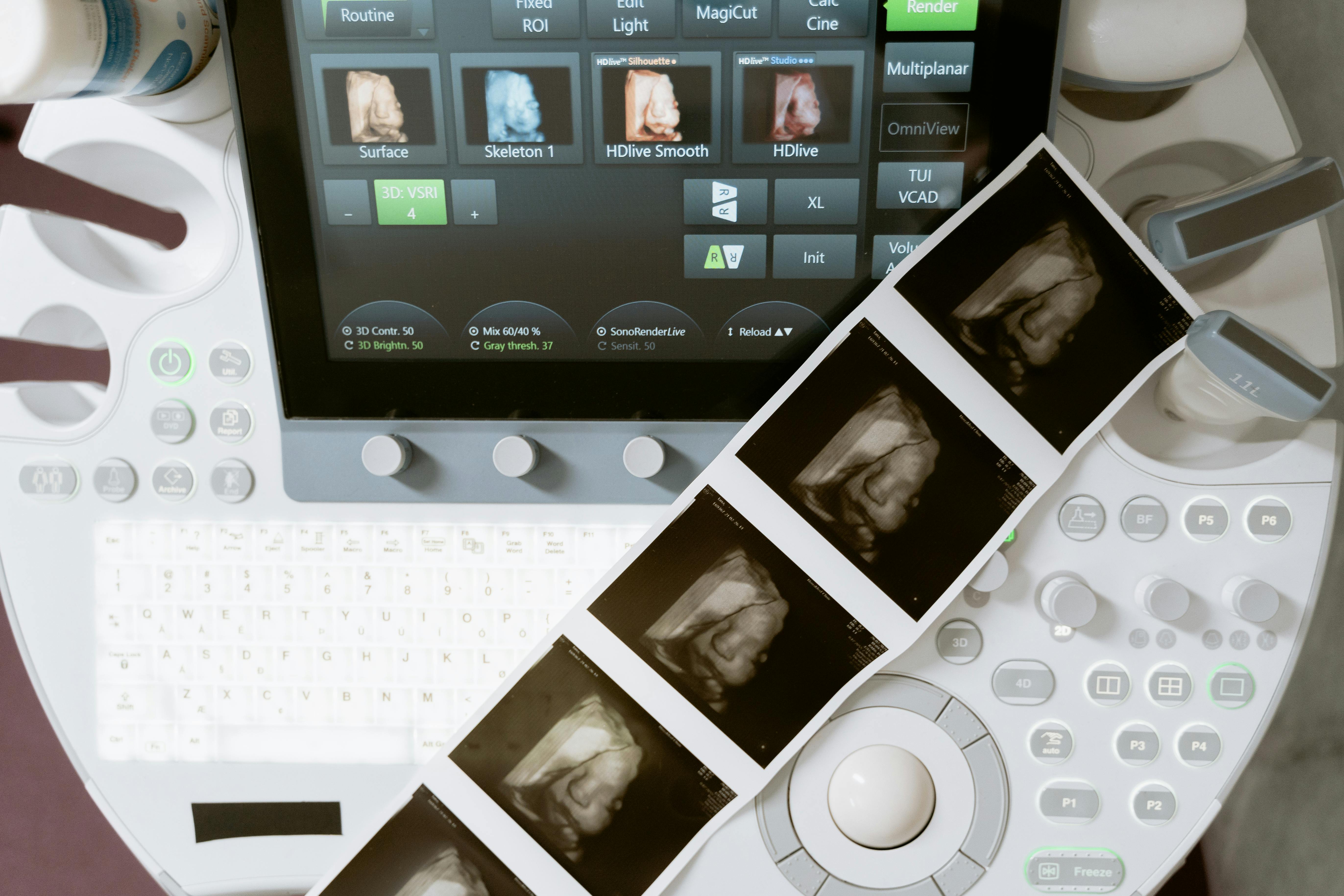
What This Looks Like in Practice
Consider a studio in a mid-size metro area, operating out of a 400-square-foot suite at around $1,200 a month in rent. The owner works part-time hours Thursday through Sunday, doing 8 to 10 sessions on busy weekend days and fewer during the week. By month six, they are consistently doing 55 sessions per month at an average ticket of $210, generating $11,550 in gross monthly revenue. After rent, supplies, software, insurance, and a small monthly marketing budget, net income lands around $6,800. By the end of year one, with stronger Google visibility and two steady OB-GYN referral relationships, volume has climbed to 80 sessions at $220 average, pushing gross to $17,600 and net closer to $9,500.
That progression is not exceptional. It is what consistent execution and smart marketing produce in a reasonably sized market.
The Cost Side of the Equation
Understanding gross revenue is only half the picture. The costs that most directly affect your net are rent, supplies, marketing, software and booking tools, and any staffing you bring in. Each of these varies considerably by market and business model.
Rent is typically the biggest fixed cost, ranging from under $800 per month in smaller markets to $2,500 or more in major metro areas. Supplies like gel, thermal paper, gloves, and consumables tend to run $300 to $600 per month depending on session volume. A solid booking platform, accounting software, and phone line add another $150 to $250 per month. Marketing, when done right, is an investment rather than an expense, but budgeting $500 to $1,500 per month for local digital marketing in your first year is realistic.
Staffing changes the math significantly. An owner-operator doing all their own scans keeps the highest percentage of revenue. Studios that hire a technician to perform scans pay that person hourly or per session, which reduces net margin but opens the door to scaling volume beyond what one person can physically handle.
What Separates Higher-Earning Studios From Average Ones
The studios we see performing at the higher end of the revenue range consistently do a few things differently from those stuck in the middle. These are not secrets. They are just decisions that most studios either delay or underinvest in.
First, their Google review profile is actively managed. Studios with 80 or more strong reviews get booked through local search at a disproportionately higher rate than competitors with fewer reviews. Every happy client is a potential review, and studios that have a consistent ask process convert that goodwill into visibility.
Second, they have at least one or two referral relationships with OB-GYN offices, midwife practices, or doulas in their area. These relationships do not happen automatically, but even one practice that mentions your studio to patients generates a meaningful and reliable volume of clients each month.
Third, they have a clear and well-priced package structure. Confused pricing drives people to book elsewhere. Studios with three or four clearly named packages at clear price points convert website visitors at a higher rate and see fewer abandoned booking attempts.
The studios that build steady income do not have a different business model. They have better habits around visibility, referrals, and client experience than the ones that stay stuck.
How Location and Market Size Affect Your Numbers
Location shapes both your ceiling and your floor. In dense suburban markets, particularly those near large hospital systems with active OB-GYN communities, demand for elective ultrasound is higher and the referral ecosystem is richer. In smaller or more rural markets, you may face less competition but also need to work harder to build awareness that the service exists.
Higher-cost metro areas tend to support higher package pricing. If your local market supports $250 average sessions and you are doing 70 sessions a month, your gross is $17,500. In a smaller market where $175 is the comfortable price point, the same 70 sessions generates $12,250. The expenses in smaller markets are often meaningfully lower, which can make the net figures converge, but the gross revenue ceiling is real and worth researching before you commit to a location.
According to the Small Business Administration, understanding local demand and competitive landscape before launch is one of the most important steps in building a realistic business plan. Researching birth rates, existing competitors, and average household income in your target zip codes gives you a genuine picture of what your market can support.
What a Realistic First-Year Earnings Range Looks Like
For a solo owner-operator launching with proper training, a clean setup, and a consistent marketing commitment, realistic first-year net earnings in a mid-size market typically land between $45,000 and $90,000. That is a wide range because the variables are real, not theoretical. Studios in premium markets with strong execution can exceed $100,000 in net in year one. Studios that underinvest in marketing, price too low, or struggle with consistency may land significantly below the middle of that range.
Year two and beyond, for studios that stick with it and build their local presence, often looks materially better than year one. The business compounds. Reviews accumulate. Referrals become more consistent. The cost per new client acquired goes down as word of mouth carries more weight.
| Stage | Sessions/Month | Avg Ticket | Gross/Month |
|---|---|---|---|
| Early (Mo. 1-3) | 15-35 | $160-$185 | $2,400-$6,500 |
| Growth (Mo. 4-12) | 45-80 | $185-$225 | $8,300-$18,000 |
| Established (Yr 2+) | 80-140+ | $200-$260 | $16,000-$36,000+ |
Frequently Asked Questions
How much does a 3D ultrasound business make per month on average?
Most established studios in mid-size markets generate $8,000 to $20,000 in gross monthly revenue. New studios typically start lower as they build visibility and volume, while high-volume studios in dense metro areas can exceed $25,000 or more per month. Net income depends on how well costs are managed relative to that gross figure.
What is the profit margin for a keepsake ultrasound studio?
Owner-operated studios with lean overhead frequently achieve net margins of 35 to 50 percent. That means for every dollar of gross revenue, roughly 35 to 50 cents remains after paying rent, supplies, marketing, software, and other operating costs. Studios with higher staffing or real estate expenses tend to see tighter margins even at higher gross revenue figures.
How many sessions per month does a typical studio do?
Early-stage studios typically complete 15 to 35 sessions per month. Studios in their first full year often grow to 45 to 80 sessions monthly. Established studios with strong marketing and referral networks regularly operate at 80 to 140 sessions per month or more, particularly those open on busy weekends with extended scheduling windows.
Does location affect how much a 3D ultrasound business makes?
Yes, significantly. Dense suburban markets near active OB-GYN communities tend to support higher pricing and more consistent demand. Smaller markets may have lower overhead costs that partially offset lower pricing ceilings. Researching local birth rates, competition, and household income in your target area before launch is an important part of building a realistic projection.
What add-ons increase monthly revenue the most?
Gender reveal packages, heartbeat animals, live-streaming for remote family members, extended appointment windows, and USB or digital delivery upgrades are among the highest-converting add-ons. Studios that build these options into their booking flow rather than presenting them as upsells at checkout tend to capture them at much higher rates.
How long before a 3D ultrasound business becomes profitable?
Many studios cover their operating costs within the first two to four months, though this depends heavily on startup investment, overhead, and how quickly they build volume. Reaching a level of net income that fully replaces a prior salary often takes six to twelve months for studios that market consistently from day one. Studios that delay marketing or underinvest in visibility tend to extend that timeline meaningfully.
Can you run a 3D ultrasound business part-time and still make good money?
Part-time operation is viable, particularly for owners who structure their schedule around high-demand weekend slots. A studio open Thursday through Sunday doing 40 to 50 sessions per month at a solid average ticket can generate $7,000 to $11,000 in gross revenue with relatively low overhead, making part-time operation a genuinely attractive model for people easing into the business or running it alongside other work.
What is the biggest factor that determines monthly earnings?
Session volume combined with average ticket value is the primary driver. But the factor most within your control that affects both is marketing, specifically how visible you are in local search and how strong your Google review profile is. Studios with 80 or more strong reviews consistently outbook competitors with fewer, even when the competitors have comparable pricing and services.
If you are working through the numbers for your own studio, Ultrasound Trainers can help you build a realistic picture. We work with people at every stage of planning, from evaluating whether the business fits their market to selecting training and equipment that sets them up to operate efficiently from day one.
Reach out to Ultrasound Trainers to talk through your situation with someone who knows this industry.This post was developed by the team at Ultrasound Trainers, a company that provides hands-on elective ultrasound training, turnkey studio launch packages, and equipment guidance. Our experience working with studio owners across the country informs the revenue ranges and cost estimates shared here. All figures reflect realistic ranges based on real operating conditions, not guaranteed outcomes.
Last Updated: April 28, 2026
Get the Inside Track
Training tips, business advice, and exclusive deals delivered straight to your inbox.

How to Build a Pre-Launch Marketing Campaign for Your Elective Ultrasound Studio: A 60-Day Countdown Plan
Pre-launch marketing for an elective ultrasound studio begins 60 days before opening. This 60-day countdown[...]

What Career Changers in Hawaii Need to Know About Elective Ultrasound Training
Considering ultrasound training for a career change in Hawaii? This Q&A guide covers what training[...]

How to Find and Recruit Volunteer Scan Models for Elective Ultrasound Practice
Finding volunteer models for elective ultrasound practice is a skill in itself. Learn where to[...]

How to Write an Elective Ultrasound Business Plan That Actually Works
Writing an elective ultrasound business plan? This guide covers what to include, how to build[...]

How to Open an Elective Ultrasound Business in Honolulu: A Practical Startup Guide
Open an elective ultrasound business in Honolulu with confidence. This guide covers training, startup costs,[...]

Adding Elective Ultrasound to an Existing Photography or Doula Practice in Montana
Montana birth photographers and doulas: adding an elective ultrasound add-on business in Montana to your[...]

Starting an Elective Ultrasound Business in Cheyenne, Wyoming: First-Mover Advantage in the Least-Crowded Market in the Country
Thinking about starting an elective ultrasound business in Cheyenne, Wyoming? This guide covers the F.E.[...]

Elective Ultrasound Training for Career Changers in Sweden
Considering a career change into elective ultrasound in Sweden? Find out what training involves, whether[...]

What Career Changers in Fayetteville Should Know About Elective Ultrasound Training
Thinking about elective ultrasound training in Fayetteville, Arkansas as a career changer? This Q&A guide[...]

The Biggest Mistake Las Vegas Elective Ultrasound Studios Make With Their Marketing
Elective ultrasound studio marketing in Las Vegas prioritizes trust and reviews over ad spend. Here's[...]

Mobile Elective Ultrasound for Baby Shower Events: Packages, Pricing, and Logistics
Mobile ultrasound baby shower events guide for elective studio operators. Covers package structure, pricing frameworks,[...]
Birth Center and Midwife Referral Partnerships: Building a Consistent Lead Pipeline for Your Studio
A birth center referral partnership for an elective ultrasound studio builds a consistent, high-converting lead[...]
