

Elective ultrasound business legal requirements vary by state and generally focus on the non-diagnostic nature of the service rather than clinical licensure. The most important steps are researching your state’s specific rules, establishing your business as a keepsake service clearly separate from medical practice, and consulting with a local attorney before opening.
The legal question stops more people than it should. Someone finds out about elective ultrasound as a business model, gets genuinely excited about it, and then hits a wall when they start wondering whether it is legal, who regulates it, and what happens if they get something wrong. That concern is understandable — but it is often based on assumptions that do not hold up once you look at how this industry actually operates.
The fear usually sounds like this: “I am not a doctor or a sonographer. How can I run a business that uses medical equipment on pregnant women without some kind of license?” It is a fair question. The answer is that elective ultrasound legal requirements are structured around what the service does — and what it explicitly does not do. That distinction is what makes this business model accessible.
The Non-Diagnostic Framework: Why It Changes Everything
Elective ultrasound studios operate as non-diagnostic services. This means the operator is not evaluating fetal health, rendering clinical opinions, or providing any information that substitutes for medical care. The session is a bonding and keepsake experience — the client comes to see their baby, not to receive a scan report. That positioning is not just marketing language. It is the legal and operational framework the entire industry is built on.
Because elective ultrasound makes no medical claims and produces no clinical findings, it typically falls outside the definitions of medical practice that require licensure. State medical practice laws are generally written to govern activities that involve diagnosis, treatment, or the delivery of healthcare. A keepsake imaging session does none of those things when operated correctly.
What we consistently see from operators who run into trouble is not that they opened an elective studio — it is that they allowed the scope of their sessions to drift. An operator who comments on fetal anatomy in clinical terms, implies something may be abnormal, or tells a client “everything looks fine” has crossed the line from keepsake service into de facto medical advice. Staying clearly within non-diagnostic boundaries is not just ethically correct — it is the legal foundation the whole business rests on.
How State Regulations Actually Work for Elective Studios
There is no single federal standard governing elective ultrasound businesses. Regulation happens at the state level, and the picture varies considerably across the country.
Many states have no specific statute addressing elective ultrasound studios at all. In those states, operators function within the general business environment, relying on the non-diagnostic framing to stay outside the reach of medical practice laws. Other states have addressed elective ultrasound more directly, sometimes through medical board guidance, legislative action, or attorney general opinions. A small number of states have attempted to restrict the practice more significantly, typically around concerns about unsupervised fetal imaging.
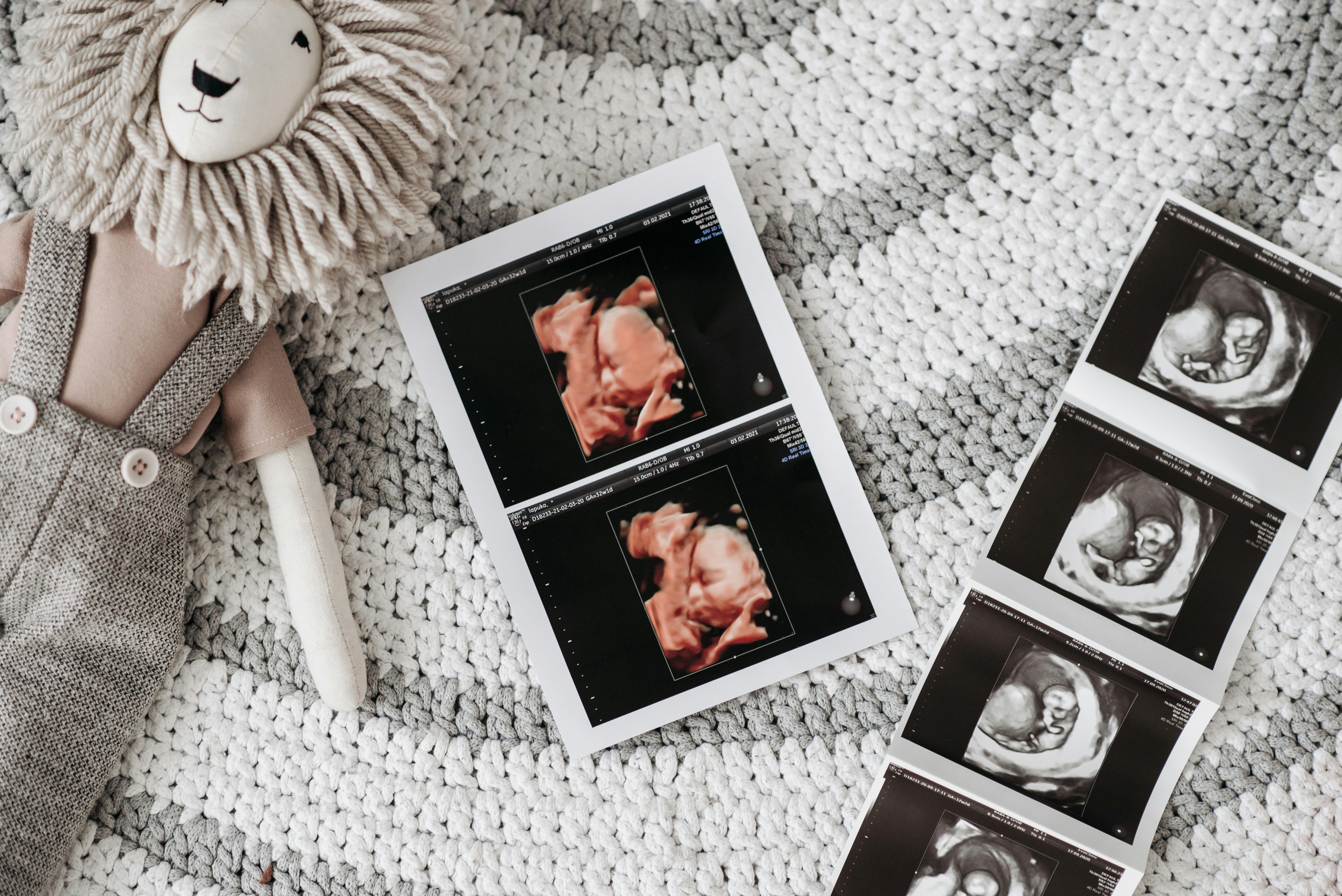
The practical implication is that researching your specific state before opening is not optional. What works without issue in one state may require additional steps or consultation in another. Before you sign a lease or purchase equipment, you need to know what environment your business is entering.
The American Institute of Ultrasound in Medicine (AIUM) has published guidelines on non-medical uses of ultrasound that are worth reviewing as part of your background research. Understanding the professional community’s perspective on elective imaging — including their concerns about untrained operators — helps you position your studio as a responsible, professionally run operation from the start. You can find their published guidelines at aium.org.
Business Structure and Liability Considerations
How you structure your business entity matters. Most elective ultrasound studio owners operate as a limited liability company (LLC), which separates personal assets from business liabilities and is straightforward to establish in most states. An LLC does not eliminate risk, but it provides a meaningful layer of protection compared to operating as a sole proprietor.
Business insurance is a separate but equally important consideration. General liability coverage is the baseline. Some studio owners also carry professional liability insurance, sometimes called errors and omissions coverage, even in a non-diagnostic context. The specific coverage you need depends on your state, your business model, and your risk tolerance. A business insurance broker familiar with wellness or entertainment services — which is often where elective studios get categorized — can help you identify what is appropriate.
What Your Client Waivers and Communications Need to Cover
Client documentation is one of the most practical legal protections an elective studio can maintain. Every client should sign a clear informed consent or acknowledgment form before their session. This document should establish that the service is non-diagnostic, that it is not a substitute for prenatal care, and that the operator does not provide medical advice or clinical findings.
The language in this form matters. It should not be buried in fine print. It should be read, acknowledged, and signed — not just checked off. Some studios review the key points verbally at the start of each session as well. The goal is to ensure the client genuinely understands what they are receiving before the scan begins.
Your marketing materials and website carry similar responsibility. Any claim that could be interpreted as diagnostic capability is a liability. Language like “see if your baby is healthy” or “confirm your baby’s development” is inappropriate. “See your baby in stunning 3D detail” is accurate and safe. The line is consistency between what your marketing promises and what your service actually delivers.
The Role of Training in Managing Risk
Proper training does more than teach you to use the equipment. It teaches you how to operate within appropriate scope consistently and confidently. This matters legally because a well-trained operator who understands non-diagnostic boundaries is far less likely to make the kind of comment or judgment call that creates exposure.
Operators who receive serious training also tend to run better sessions — clearer imaging, smoother workflow, more professional client interactions. These things matter for your reputation and your reviews. But they also matter because they reflect the care and preparation you brought to the business. In the unlikely event of a complaint or inquiry, documented training history is a significant asset.
At Ultrasound Trainers, our training programs specifically address non-diagnostic scope and client communication as part of the curriculum — not as an afterthought. We work with operators who come from all kinds of backgrounds, and we build the professional foundation into the training from day one. You can explore our studio startup and consulting program to see what that foundation looks like in practice.
Steps to Take Before You Open
People Also Ask
Is elective ultrasound regulated at the federal level?
There is no specific federal law governing elective ultrasound studios as a business category. The FDA has issued guidance discouraging keepsake ultrasound based on concerns about unnecessary exposure, but has not banned the practice. Regulation happens primarily at the state level through medical practice acts, medical board positions, and in some cases specific statutes.
What happens if a client has a concern during a session?
If anything during a session prompts concern — from the client or the operator — the appropriate response is to recommend the client follow up promptly with their OB-GYN or midwife. Do not interpret what you observe, do not make reassuring or alarming statements about fetal health, and do not suggest a diagnosis. Simply refer the client to their medical provider and document the interaction.
Do elective ultrasound studios need a physician supervisor?
In most states, physician supervision is not required for elective ultrasound studios operating as non-diagnostic keepsake services. Some operators choose to establish a voluntary relationship with a local OB practice for referral purposes and community credibility — but this is generally not a legal requirement. Requirements vary by state, so local legal review is always the right first step.
What does an informed consent form for an elective ultrasound studio need to include?
At minimum, your consent form should clarify that the service is non-diagnostic and is not a substitute for prenatal care, that the operator does not provide medical advice or render clinical findings, and that the client should continue routine care with their medical provider. The form should be reviewed by an attorney familiar with your state’s requirements before use.
How do state medical boards view elective ultrasound studios?
Medical board positions on elective ultrasound vary by state. Some boards have issued formal guidance or position statements. Others have not addressed it directly. Where guidance exists, it generally reinforces the importance of staying within non-diagnostic scope and not performing services that could be interpreted as medical practice. Researching your state’s board position is a practical early step.
Can I run an elective ultrasound business from a mobile setup?
Mobile elective ultrasound businesses exist and can be successful. The same legal and operational considerations apply — non-diagnostic scope, appropriate consent forms, proper insurance, and state-level regulatory awareness. Mobile operations may also face additional considerations around zoning, home visit policies, and the logistics of maintaining a professional client experience outside a fixed studio.
Get Clear on the Business Before You Invest
If you are evaluating elective ultrasound as a business and have questions about the legal landscape, training requirements, or how to structure a professional studio operation, Ultrasound Trainers can help you think through your situation clearly.
Contact Ultrasound TrainersAbout Ultrasound Trainers: Ultrasound Trainers provides hands-on elective ultrasound training and full turnkey business launch support for entrepreneurs, career changers, photographers, doulas, and healthcare professionals opening studios across the United States. Our training covers both scanning technique and the operational foundations every professional studio needs. Visit ultrasoundtrainers.com to learn more.
Last Updated: April 28, 2025
Get the Inside Track
Training tips, business advice, and exclusive deals delivered straight to your inbox.

How to Build a Pre-Launch Marketing Campaign for Your Elective Ultrasound Studio: A 60-Day Countdown Plan
Pre-launch marketing for an elective ultrasound studio begins 60 days before opening. This 60-day countdown[...]

What Career Changers in Hawaii Need to Know About Elective Ultrasound Training
Considering ultrasound training for a career change in Hawaii? This Q&A guide covers what training[...]

How to Find and Recruit Volunteer Scan Models for Elective Ultrasound Practice
Finding volunteer models for elective ultrasound practice is a skill in itself. Learn where to[...]

How to Write an Elective Ultrasound Business Plan That Actually Works
Writing an elective ultrasound business plan? This guide covers what to include, how to build[...]

How to Open an Elective Ultrasound Business in Honolulu: A Practical Startup Guide
Open an elective ultrasound business in Honolulu with confidence. This guide covers training, startup costs,[...]

Adding Elective Ultrasound to an Existing Photography or Doula Practice in Montana
Montana birth photographers and doulas: adding an elective ultrasound add-on business in Montana to your[...]

Starting an Elective Ultrasound Business in Cheyenne, Wyoming: First-Mover Advantage in the Least-Crowded Market in the Country
Thinking about starting an elective ultrasound business in Cheyenne, Wyoming? This guide covers the F.E.[...]

Elective Ultrasound Training for Career Changers in Sweden
Considering a career change into elective ultrasound in Sweden? Find out what training involves, whether[...]

What Career Changers in Fayetteville Should Know About Elective Ultrasound Training
Thinking about elective ultrasound training in Fayetteville, Arkansas as a career changer? This Q&A guide[...]

The Biggest Mistake Las Vegas Elective Ultrasound Studios Make With Their Marketing
Elective ultrasound studio marketing in Las Vegas prioritizes trust and reviews over ad spend. Here's[...]

Mobile Elective Ultrasound for Baby Shower Events: Packages, Pricing, and Logistics
Mobile ultrasound baby shower events guide for elective studio operators. Covers package structure, pricing frameworks,[...]
Birth Center and Midwife Referral Partnerships: Building a Consistent Lead Pipeline for Your Studio
A birth center referral partnership for an elective ultrasound studio builds a consistent, high-converting lead[...]
