
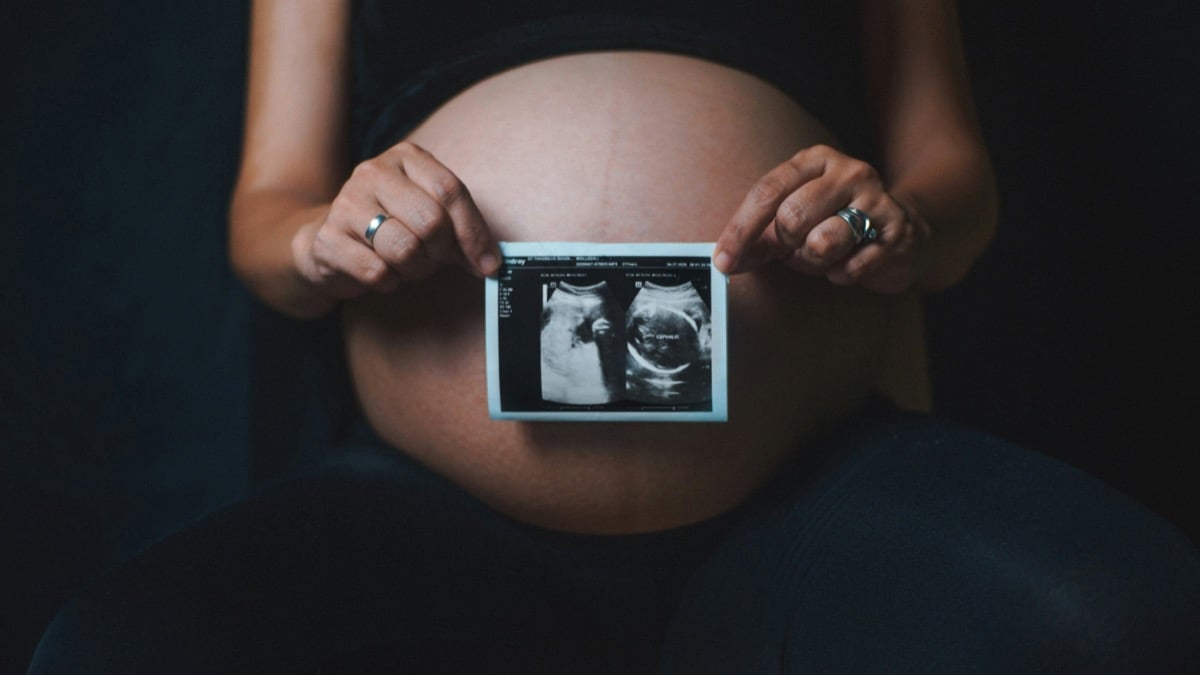
Picture this: you have found your studio space. It is compact but well located, somewhere between 300 and 600 square feet. Not a full spa operation, just a focused, purpose-built room where pregnant clients come in, get comfortable, and have a genuinely special experience seeing their baby in 3D or 4D. You know what services you want to offer. You have thought through your pricing. Now comes the question that stumps most first-time studio owners in your position: which 4D ultrasound machine is actually the right fit for a studio this size?
The problem is that most equipment discussions assume you are comparing machines for a clinic or a large studio with a big capital budget. Small studio owners are often left trying to apply advice that was not written for their situation. What follows is guidance written specifically for you.
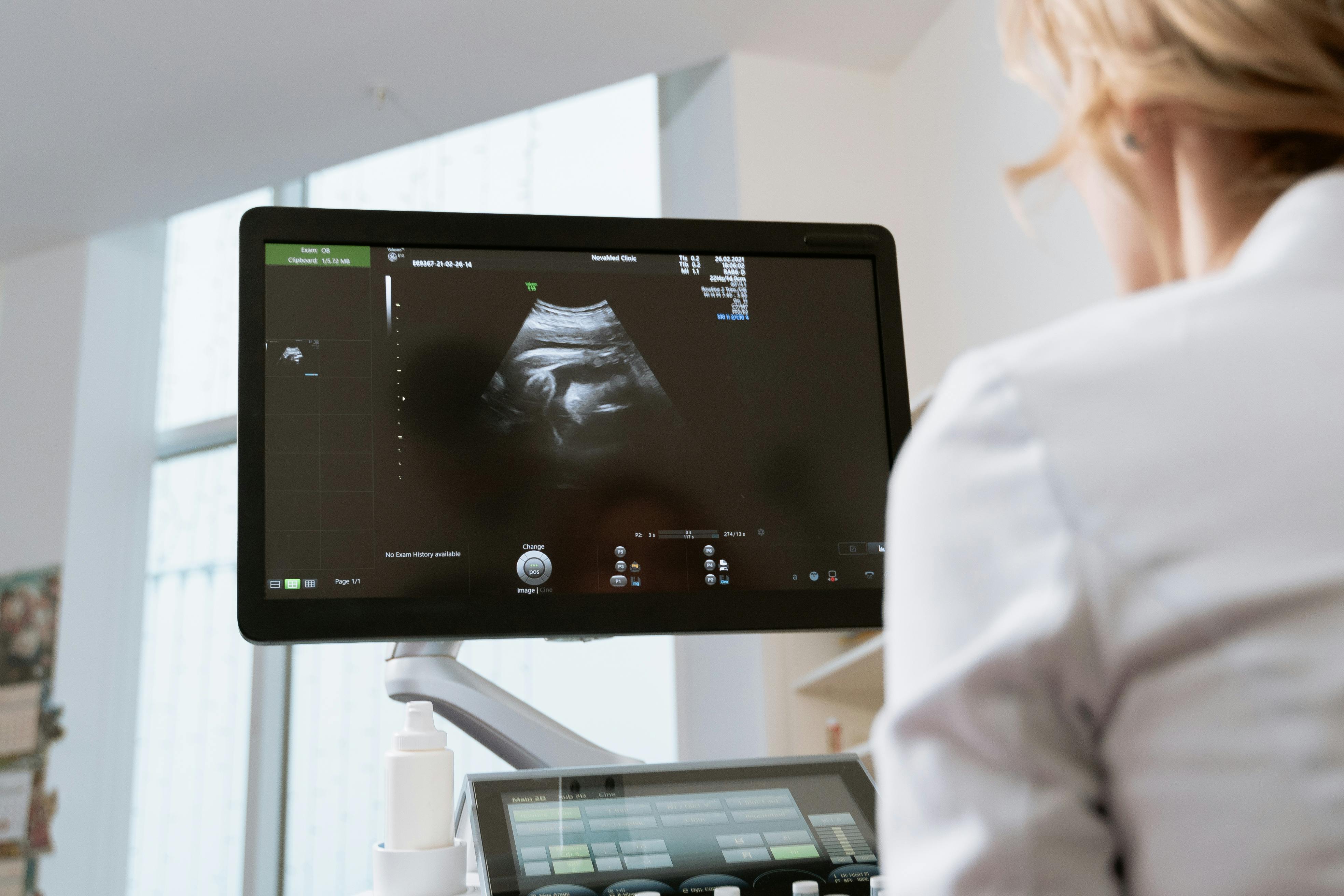
Small studios have a different set of priorities than large operations. You are not running five sessions a day across multiple rooms. You are likely doing one to three sessions per day, maybe more on weekends. Your equipment needs to be reliable, space-appropriate, easy to operate, and capable of producing images that genuinely impress clients. It does not need to be the most expensive machine on the market.
Here is what the typical small-studio owner running a successful keepsake operation actually prioritizes when choosing their machine: imaging quality that clients are excited to show off, a manageable footprint in a compact room, straightforward operation so sessions run efficiently without constant adjustments, and a price that fits within a startup budget that leaves room for marketing and client experience.
Let us follow this story through the actual decision points.
Do You Need a Console or Can a Compact Unit Work?
The first real fork in the road is form factor. Console machines are the workhorses of the elective ultrasound industry. They sit on a cart, plug into the wall, and stay in your room. They offer the widest range of probe options, the most stable imaging, and typically the best overall image quality for the money. For a small studio with a fixed room, a console unit is usually the right choice.
Compact or portable units are lighter, take up less floor space, and offer flexibility if you ever want to offer mobile sessions. The trade-off is that compact units at the same price point often produce softer images and offer fewer probe options than their console counterparts.
For a dedicated small studio where mobility is not part of your service model, a mid-range console machine almost always offers better value and better imaging than a compact unit at a similar price. The room does not need to be large to accommodate a console machine on a cart. Most modern elective ultrasound consoles have a footprint of 18 to 24 inches by 24 to 30 inches, well within the space constraints of even a compact studio room.
What Imaging Capability Does a Small Studio Actually Need?
The short answer is: strong 4D imaging with HD capability if your budget allows. You do not need a $100,000 machine to run a compelling keepsake studio. What you need is a machine that produces images your clients are genuinely excited about, consistently, in the range of client conditions you will encounter.
In practice, most successful small studios operate on machines in the $30,000 to $60,000 range. Quality refurbished GE Voluson E8 units with HDLive software sit right in the upper part of that range and are one of the most frequently cited choices by small studio owners for exactly this reason: they produce imaging that clients find impressive, at a price that does not require a commercial loan large enough to strain a small operation.
Samsung WS80a machines appear frequently in small studio setups as well, often praised for color rendering and client-friendly image aesthetics. These can frequently be found in the refurbished market at prices appropriate for small studio budgets.
What Does “Small Studio Appropriate” Actually Mean in Practice?
When we say a machine is appropriate for a small studio, we mean a few specific things. First, the machine does not require an IT infrastructure or specialized electrical setup beyond what a standard commercial space provides. Second, the machine can be operated effectively by one person running sessions without an assistant. Third, the machine produces results clients are happy to share on social media, which is one of the most important organic marketing channels for small studios.
That last point matters more than it might seem. A small studio does not have a large marketing budget. Client word-of-mouth and social media sharing are often the primary drivers of new bookings. A machine that produces images clients genuinely want to post and share does more for a small studio’s growth than a mediocre machine paired with a bigger advertising spend.
The Features That Matter Most in a Small Studio Context
Ease of operation is not a glamorous feature, but it matters enormously in a one-person studio. A machine that requires constant manual adjustment between clients, has a complex menu structure, or is difficult to optimize quickly adds friction to every session. In a small studio where you are managing the booking, the setup, the scan, and the client experience all at once, operational simplicity is a genuine productivity advantage.
Service support is critical at any studio size, but it is arguably more critical for small operations. A large studio can manage some downtime more easily because other sessions may be running. A small studio with one machine goes offline completely when that machine is down. Buying from a seller with a clear service plan and responsive support is not optional for a small studio, it is essential.
Connection and output capability affects the client experience directly. Your machine needs to support the kind of keepsake experience your clients expect: real-time viewing on a screen or projector, the ability to produce digital images for sharing, and thermal prints to take home. Confirm these capabilities for any specific machine you are evaluating.
How to Make the Final Decision
By now you have a clearer picture of the framework for choosing. You need a console machine with solid 4D imaging, preferably HD-capable if your budget allows, in the $35,000 to $60,000 range for a small studio context. You need it from a seller who will support you after the purchase. And you need it to be operationally manageable for a one-to-two person team.
The remaining decision is which specific machine within those parameters fits your budget, your timeline, and the specific imaging output you want to deliver. That is a conversation worth having with someone who has seen multiple machines perform in actual elective studio conditions.
If you are at that stage, Ultrasound Trainers works with small studio owners to evaluate equipment options against their specific situation. We can discuss what machines are currently available, what they produce in elective use, and how they compare within your budget. Explore our elective ultrasound machine options or get in touch with our team directly.
- Choose console over portable for a fixed small studio in most cases
- Target 4D with HD capability in the $35,000 to $60,000 range
- Prioritize ease of operation and service support
- Confirm output options match your client experience goals
- Buy from a seller who supports you after the purchase, not just before it
Your studio does not need to be large to build something successful. It needs the right equipment, the right training, and a clear plan for getting clients in the door consistently. All of those things are achievable with thoughtful planning and the right guidance from people who have seen what works in this industry.
Frequently Asked Questions
What is the most popular 4D ultrasound machine for small keepsake studios?
Among small studio owners, refurbished GE Voluson E8 units and Samsung WS80a machines come up most frequently as practical, well-regarded choices. Both offer strong imaging performance for elective use at price points appropriate for small studio budgets. The right choice depends on your specific imaging goals, the deals available at the time of purchase, and what probe configurations are included. Working with an equipment seller who can compare current inventory is more useful than a fixed recommendation.
How much space does a 4D ultrasound machine need in a small studio?
Most console 4D ultrasound machines on a cart have a footprint of roughly 18 to 24 inches by 24 to 30 inches. You need clear access on at least two sides for the operator and client, a display setup for viewing, and space for the client to recline comfortably. A well-arranged room of 250 to 300 square feet is typically sufficient for a single-station elective ultrasound setup.
Can one person operate an elective ultrasound studio alone?
Yes. Many small studio owners operate solo, managing booking, setup, scanning, and client experience independently. The machine should support solo operation, meaning it should be easy to optimize settings between clients, have intuitive controls, and allow you to manage both the scan and the client experience without requiring a second person to assist with the equipment.
Should I buy the machine first or wait until I have a studio location?
Having your studio space confirmed before finalizing the machine purchase is generally advisable. The room setup, display placement, and electrical access can all influence which machine configuration works best. That said, starting the equipment research process well before signing a lease is smart so that you are not rushed into a purchase decision under time pressure once your location is locked in.
What is the minimum I should spend on a machine for a small studio?
For a small studio aiming to offer a professional keepsake experience, budgeting at least $25,000 to $30,000 for the machine itself is generally advisable. Below that threshold, the imaging quality and machine condition tend to create challenges that affect client experience. Many small studio owners find that a machine in the $35,000 to $50,000 range offers the best balance of cost and capability for their business model.
Ultrasound Trainers helps studio owners find the right equipment for their specific business model, whether they are opening a small boutique studio or a larger multi-room operation. We provide hands-on training, business startup consulting, and equipment guidance to elective ultrasound operators across the United States.

How to Get More Bookings for Your Elective Ultrasound Studio in Montana
Struggling to fill your elective ultrasound booking calendar in Montana? This guide covers what actually[...]

Buying an Elective Ultrasound Machine for an Arkansas Studio: What Actually Matters
Ready to buy an elective ultrasound machine for your Arkansas studio? This guide covers the[...]

How to Build a Pre-Launch Marketing Campaign for Your Elective Ultrasound Studio: A 60-Day Countdown Plan
Pre-launch marketing for an elective ultrasound studio begins 60 days before opening. This 60-day countdown[...]

What Career Changers in Hawaii Need to Know About Elective Ultrasound Training
Considering ultrasound training for a career change in Hawaii? This Q&A guide covers what training[...]

How to Find and Recruit Volunteer Scan Models for Elective Ultrasound Practice
Finding volunteer models for elective ultrasound practice is a skill in itself. Learn where to[...]

How to Write an Elective Ultrasound Business Plan That Actually Works
Writing an elective ultrasound business plan? This guide covers what to include, how to build[...]

How to Open an Elective Ultrasound Business in Honolulu: A Practical Startup Guide
Open an elective ultrasound business in Honolulu with confidence. This guide covers training, startup costs,[...]

Adding Elective Ultrasound to an Existing Photography or Doula Practice in Montana
Montana birth photographers and doulas: adding an elective ultrasound add-on business in Montana to your[...]

Starting an Elective Ultrasound Business in Cheyenne, Wyoming: First-Mover Advantage in the Least-Crowded Market in the Country
Thinking about starting an elective ultrasound business in Cheyenne, Wyoming? This guide covers the F.E.[...]
Elective Ultrasound Training for Career Changers in Sweden
Considering a career change into elective ultrasound in Sweden? Find out what training involves, whether[...]

What Career Changers in Fayetteville Should Know About Elective Ultrasound Training
Thinking about elective ultrasound training in Fayetteville, Arkansas as a career changer? This Q&A guide[...]
The Biggest Mistake Las Vegas Elective Ultrasound Studios Make With Their Marketing
Elective ultrasound studio marketing in Las Vegas prioritizes trust and reviews over ad spend. Here's[...]
